
By Fahim Mattoo and Sadaf Shabir
While the shortage of mental health professionals is severe across the country, Kashmir is disproportionately affected given its exposure to prolonged conflict, a weak economy, and very high unemployment rates. Professionals struggle to carry the burden.
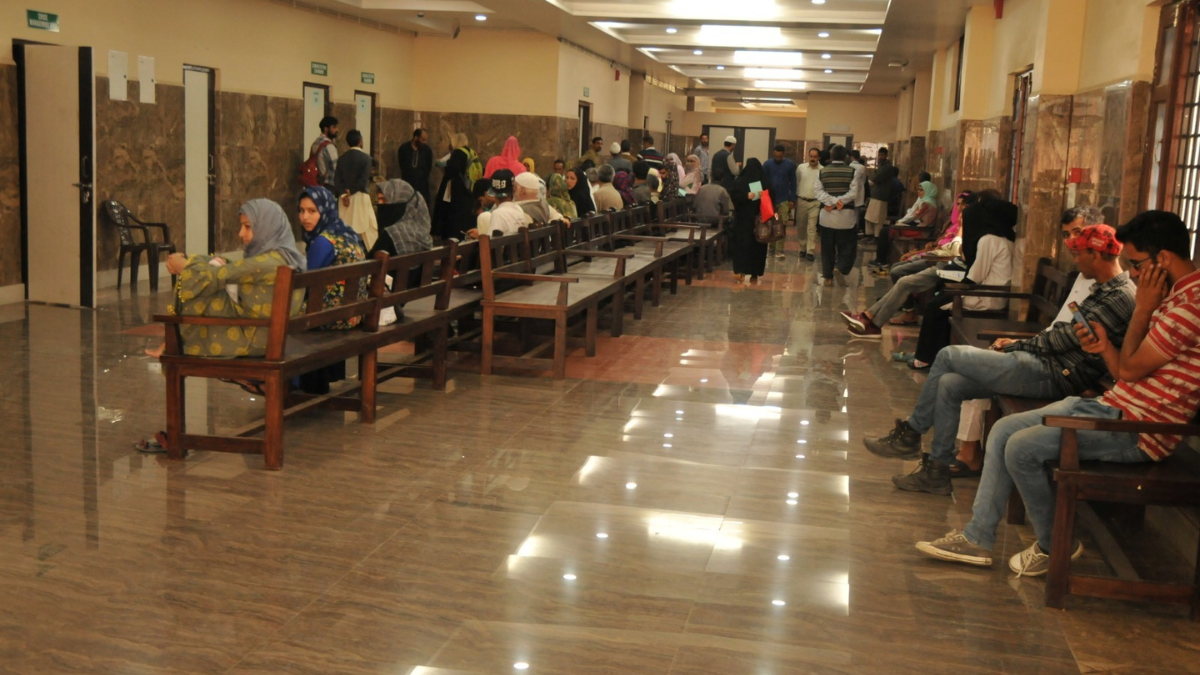
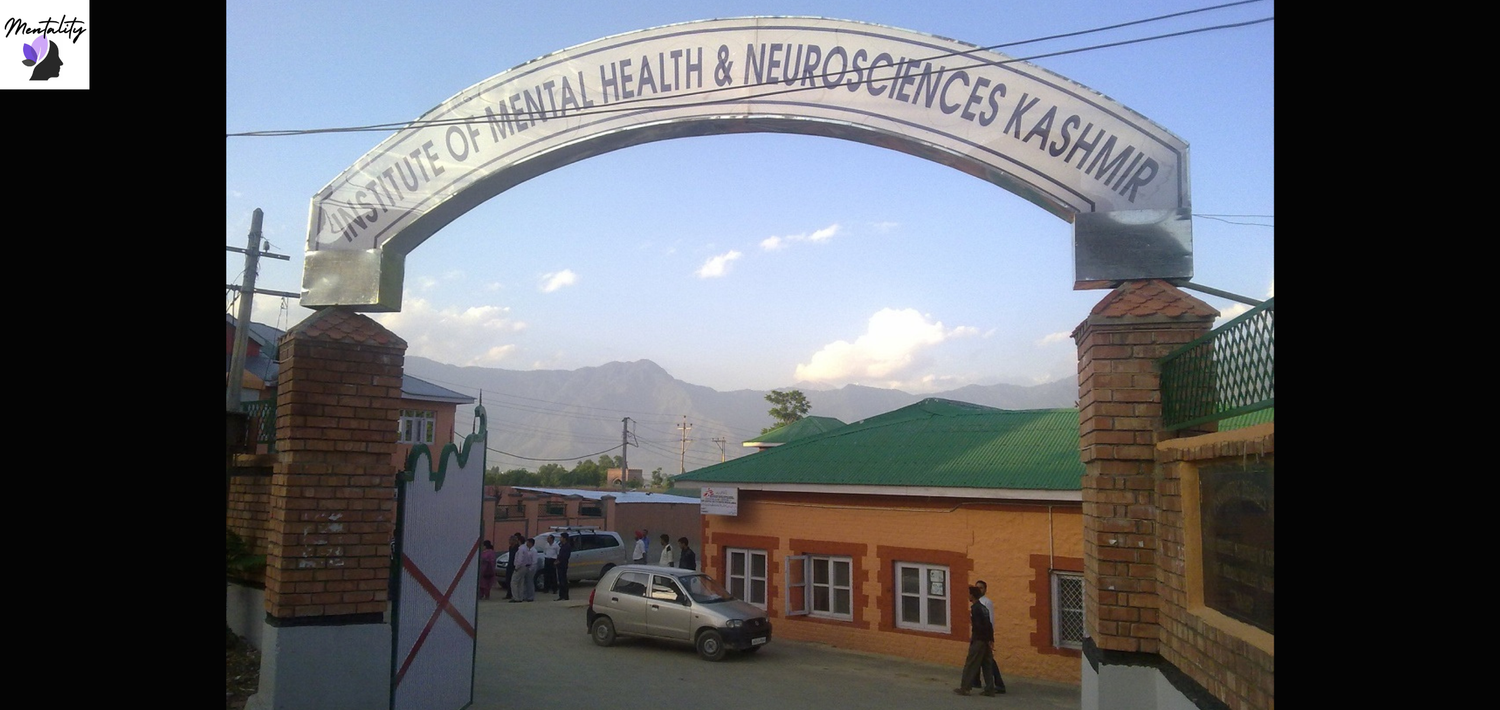
Every morning, Dr Burhan Bashir Lone, 28, walks the long corridors of Institute of Mental Health and Neurosciences (IMHANS) in the heart of downtown Srinagar. As soon as he enters the Out Patient Department, he braces himself for whatever might be in store for him that day, he said.
Cases of trauma, depression, addiction, and other illnesses for which doctors do not admit patients into the facility, flock to IMHANS from as far as Poonch, about 250 kilometres away, along the Line of Control.
Lone sees about 60 patients everyday. “Burnout is a real issue,” he said.
IMHANS is a 140-bed facility that is part of the Government Medical College, Srinagar.
Although there are other psychiatric facilities in Jammu and Kashmir, IMHANS is the only one which offers specialised care for certain medical conditions. Therefore, at any given time, about three dozen medical professionals are firefighting the mental health crisis in Kashmir. Last year, about two lakh patients visited IMHANS, according to figures they released in October, totalling about three dozen patients a day per doctor.
27-year-old Dr Ayush Rana has been working at IMHANS for three and a half years. Twice a week, he said, he treats anywhere between 30 and 50 outpatients a day who are struggling from major illnesses like bipolar disorder, schizophrenia, obsessive-compulsive disorder, major depressive disorder, and other complex neuropsychiatric conditions. “I spare 10-15 minutes per case,” he said.
The influx of patients of drug abuse has increased manifold in recent years. In 2021, IMHANS data noted a 1500% increase in such patients.
While such serious conditions should be addressed systematically, doctors at IMHANS are often overworked. Burnout manifests in subtle ways, said Dr Rana. “Cynicism toward the system, reduced empathy for patients, irritability with colleagues, and physical symptoms like chronic fatigue and headaches,” he added. Over time these symptoms compromise both effectiveness and well-being, he said.
Mental health impacts of prolonged conflict
While the shortage of mental health professionals is severe across the country, with only 0.75 psychiatrists per 100,000 people and even fewer psychologists and psychiatric social workers, the situation is exacerbated in Kashmir given its exposure to prolonged conflict.
In March this year, at the UN Human Rights Council in Geneva, Kashmiri organisations highlighted the widespread post-traumatic stress disorder, anxiety, and depression among the state’s inhabitants.
According to the figures by the Ministry of Home Affairs, 14,091 civilians and 5,356 security forces personnel have lost their lives in Jammu and Kashmir. Association of Parents of Disappeared Persons, a Kashmir-based collective, has recorded over 8,000 cases of enforced disappearances in the early 1990s.
Since the armed conflict with non-state actors escalated in the mid-1980s and 1990s, there has been a generation of Kashmiris who have witnessed nothing other than erratic violence, school disruptions, lack of business opportunities, poor infrastructure development, and political repression. “Our youth who carry the emotional weight of decades of turmoil now face limited job opportunities, restrictive family expectations, and the constant pressure of social media, all of which trap them between hope and helplessness,” said Khursheed-ul-Islam, a sociologist and author.
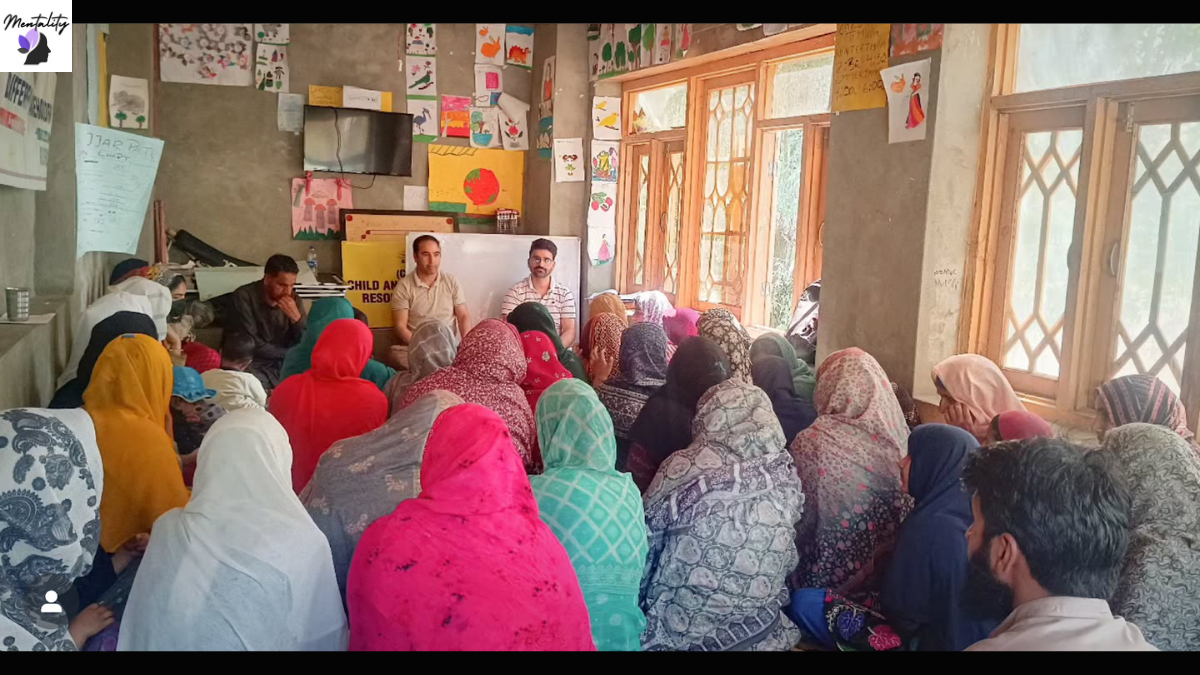
Increase in drug abuse cases
According to government estimates, Jammu and Kashmir has overtaken Punjab in opioid use. The number of people who require help is twice the national average.
Almost all the doctors at IMHANS said they were overwhelmed by the drug abuse cases. “It has been a deluge,” Dr Rana said, especially in the last few years. Dr Rana moved to Kashmir from Haryana, where the challenges were different. He specialises in de addiction and child and adolescent mental health.
The rise in addiction has overwhelmed de-addiction wards all over the valley, but especially stretched resources thin in specialised centres like IMHANS. “It’s profoundly distressing to watch so many young lives spiral, to see relapses, to manage severe withdrawal symptoms and still try to offer hope.”
There is no single definition of ‘success’ in addiction cases, doctors said. Relapse is common and doctors understand that. But, the magnitude of the problem makes them feel out of control. “We debrief quickly, review every step, and ensure protocols are followed,” said Dr. Rana. “But we quietly carry a sense of failure all the time.”
What increases the sense of helplessness is knowing that the patients who come for help are what Dr Aijaz Ahad Suhaf called “just a tip of the iceberg.” Many don’t come because of the stigma, he added.
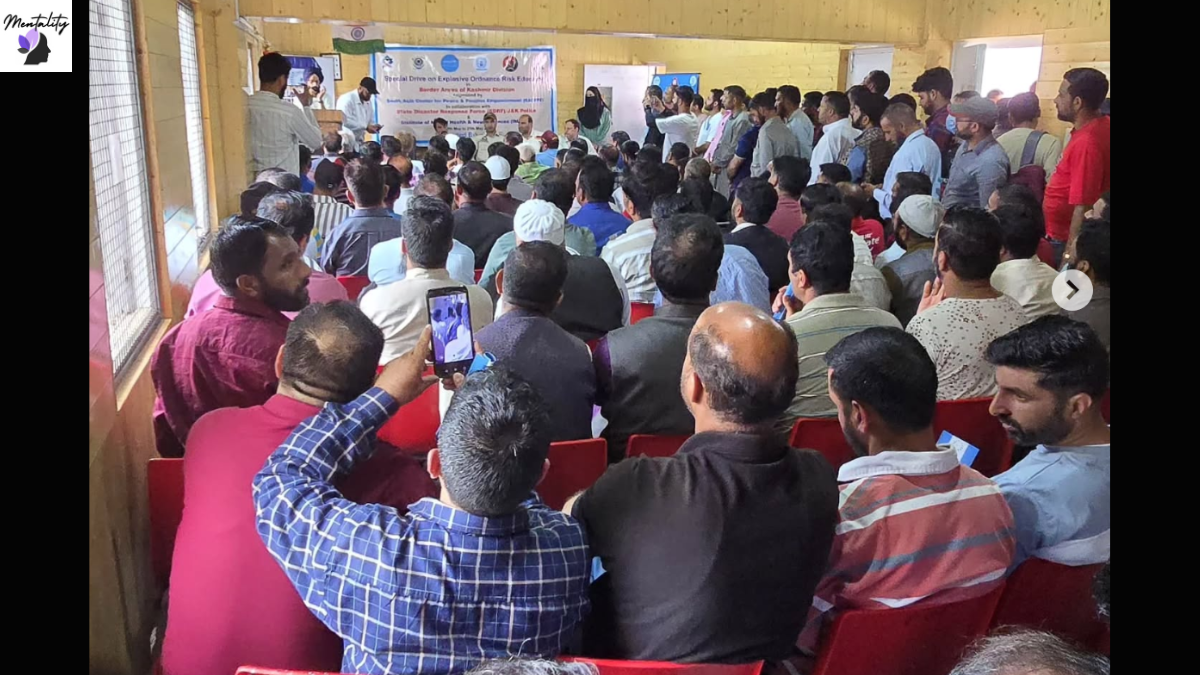
Supporting each other
Dr Suhaf has been working at IMHANS for three years. “I think a psychiatrist should be mentally very strong; they should be able to differentiate between empathy and sympathy and maintain distance,” he said, but admitted that is tough to do at all times.
The paradox of caregiver neglect, Dr Rana said, stems from cultural expectations and stigma. “We’re expected to be endlessly resilient,” he said. “If a psychiatrist admits they need help, it’s often seen by others and sometimes even by themselves as a sign of weakness.”
Dr Neha Nain, 27, has been working in IMHANS for three years. She said unprocessed emotions often manifest in regular headaches, dreams about patients, and disturbed sleep.
There is no structured emotional support system for the health care staff. Doctors said they rely on each other. “Informal chats and venting after hours—that’s what keeps us going,” said Dr Rana. This peer-based network, while essential, also places an additional emotional burden on the very people it tries to protect.
There is barely time for doctors to process their own emotions. “Processing often happens in stolen moments,” Dr Rana said, “a quiet five minutes between patients, or a quick debrief with a colleague.”
Remembering the cause
Despite the long hours and emotional exhaustion, Dr Nain said that reminding herself of the value she adds to people’s lives, gives her strength. “The gratitude shown by families once their patient gets better that’s what keeps me going,” she said.
To cope, Dr Rana said, he goes to the gym or listens to music but what really helps him is to think of the purpose.
“It’s the small victories,” said Dr Rana. “When a suicidal patient decides to live…when a family thanks you after their loved one completes treatment.”

Author: Fahim Mattoo
Fahim Mattoo is journalist based in kashmir reporting on gender in equality, education, and culture. Her work has been featured in many national and international organisations.

Author: Sadaf Shabir
Sadaf Shabir is a multimedia journalist based in Kashmir. Her work focuses on gender, environment, education, and health, with a strong emphasis on amplifying unheard voices. She has reported for leading national and international organisations.