
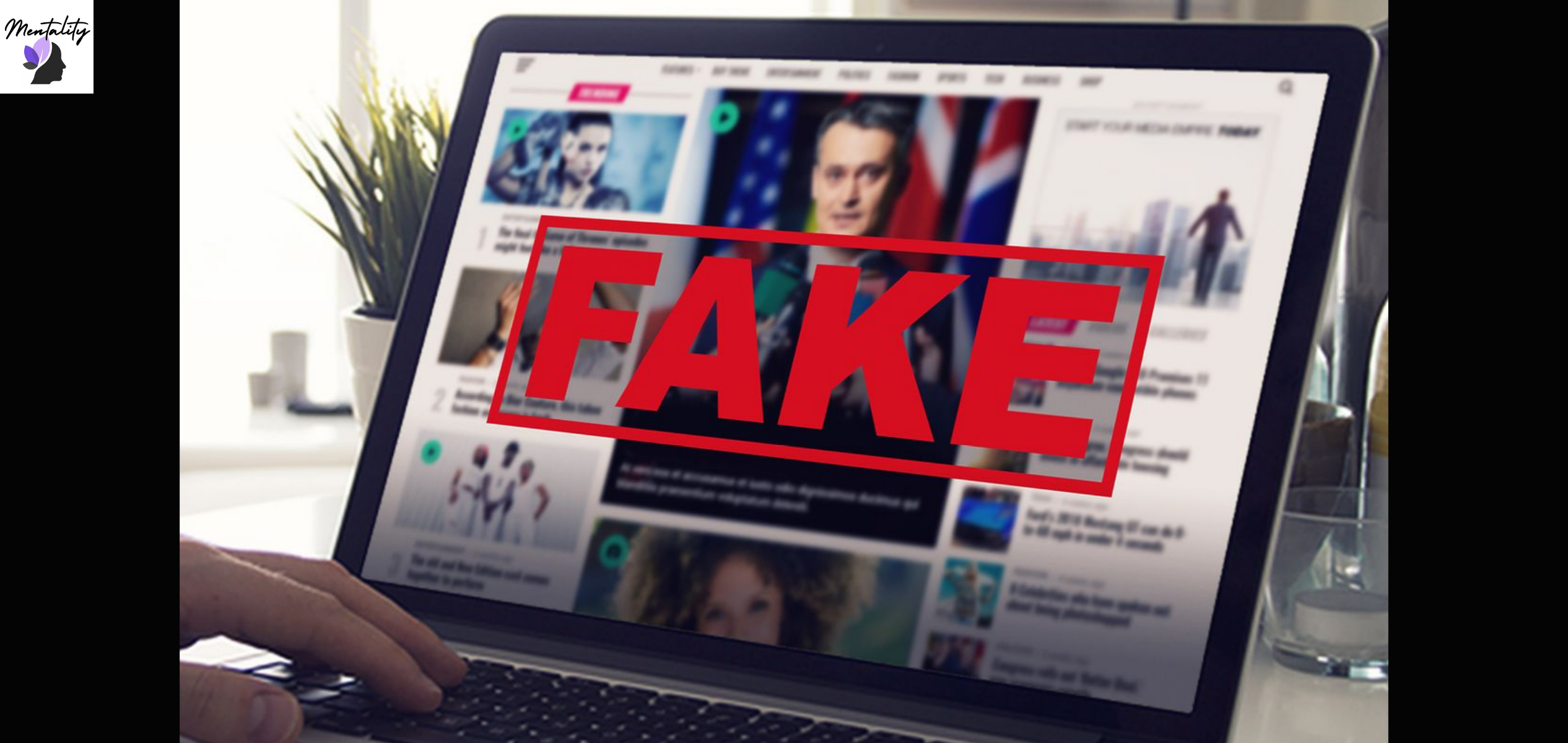
Graphic on fake news (Image Credit: mikemacmarketing/WikiCommons)
By Aditi Tandon
Journalists are at a high risk of secondary traumatic stress, compassion fatigue, and burnout. Several journalists have directly or indirectly experienced a traumatic event through work; mental health concerns are an occupational hazard in journalism.
Ankita Deshkar, The Indian Express’ deputy copy editor and factchecker, vividly recalled three widely-circulated videos out of the hundreds she saw soon after a terror attack in Kashmir’s Pahalgam in April last year.
One of them falsely showed the police arresting local Kashmiris for helping terrorists, which turned out to be an old unrelated video. Another was an AI-generated image passed off as real, depicting the aftermath of the attack with dead bodies strewn across pristine meadows. A third misidentified an Instagram blogger couple, Lt. Vinay Narwal and his wife Himanshi, as two of the victims, falsely claiming that one of them had been killed.
“The volume [of false information] was overwhelming,” said Deshkar. Fact-checkers were handling at least two-three times the number of claims compared to a regular day, she added. The Pahalgam attack and the India-Pakistan conflict that followed brought a wave of misinformationto social media and messaging applications. “It was tiring; it hurt my eyes.”
Deshkar tracks misleading content across social media. Content involving violence, attacks, or assault is particularly distressing for her. “At times, I find myself watching such videos with one eye closed, just to get through them.”
Over 80% of journalists globally have directly or indirectly experienceda traumatic event through work, such as covering violence, disasters, war, or viewing graphic content.
Even though journalists largely function well under stress and can manage complex situations, there is evidence of both immediate and long-term psychological impacts of media consumption during armed conflicts in recent years.
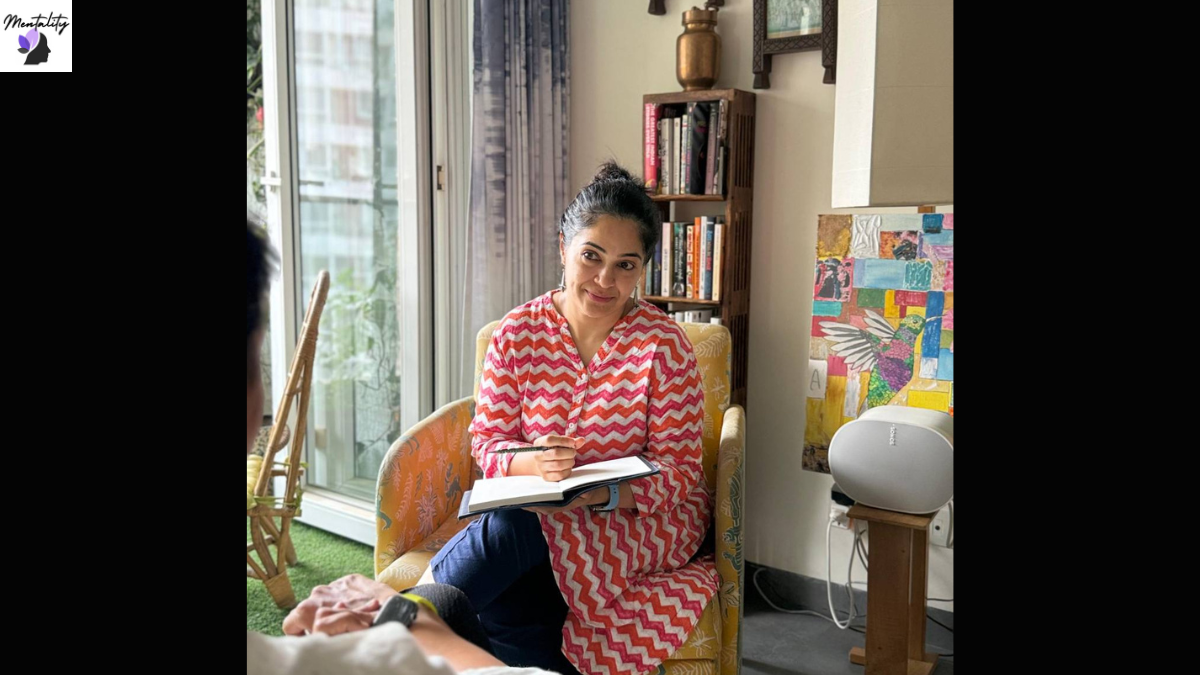
The repeated exposure to graphic images from conflict zones is not something the human mind is designed to process continuously, said Bengaluru-based clinical psychologist Aishwarya Pethe-Kulkarni, who works independently.
“One of the most common experiences is something called vicarious trauma, which is being indirectly exposed to someone else’s trauma,” she said. Indirect exposure, she said, can lead to trauma responses similar to those experienced first-hand. These may include intrusive thoughts, emotional fatigue, disinterest, numbness, helplessness, and even a shift in how one perceives safety and humanity.
The loneliness of the gatekeeper
Like all first responders, journalists typically receive a large amount of unfiltered information, including disturbing information, which they then sift through and decide what to share further. But they play that role mostly in isolation. Pethe-Kulkarni described this as the “loneliness of unshared witnessing.”
This often comes with a sense of responsibility to bear witness, she said, because if journalists look away, who will witness the event?
“You cannot show the world shocking, horrific visuals. So, you yourself have to sometimes blur, cut, or trim them clinically,” said Gulshankumar Wankar, Senior Producer at Collective Newsroom, leading the video production unit for BBC News Marathi. “This means there’s a lot I have to see, and these things don’t come with any trigger warnings,” he said. “While, initially, I used to get worked up and all sweaty, I have eventually become kind of hardened to some shocks that are now expected: blasts in war zones, CCTV footage of road accidents, or even bodies being pulled out of debris.”
The speed of a newsroom also sometimes restricts the emotional time to process some of the visuals that journalists are exposed to. “I flinch for a second, and then move on,” said Wankar. “But it all comes back probably after I leave the office, while driving back or once I hit the bed at the end of the day.”
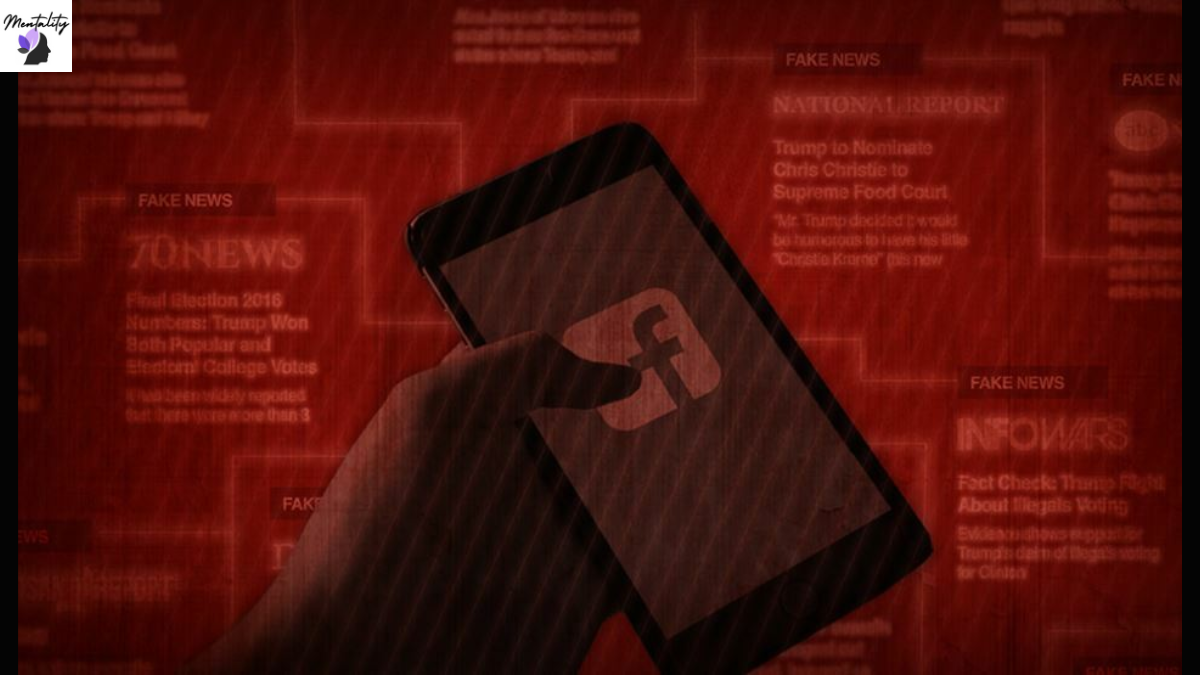
The challenge is further complicated by AI-generated visuals. Even when identified as fake, their impact can linger. “We see these hyper-realistic visuals and even though we know they are fake, our body still reacts as if it is real. You’re left with the feeling that ‘I have just seen something I cannot unsee’,” said Pethe-Kulkarni.
Repetitive waves of misinformation
Each conflict brings familiar patterns of misinformation. His team and Pratyush Ranjan, Chief Editor of Digital Services, AI Integration & Fact Check at the Press Trust of India, have repeatedly encountered and fact-checked false content, which has been emerging from the time of the Pahalgam attacks and India’s Operation Sindoor to the ongoing West Asia crisis, all within the past year.
Over time, he said, professionals develop coping mechanisms and a degree of detachment to continue working effectively. This does not mean they become desensitised. Rather, fact checkers learn to manage the emotional impact focussing on the responsibility of accurately verifying information, he added. “My team and I frequently encountered this issue when we debunked a large number of disturbing fake videos during India’s Operation Sindoor, and they have resurfaced during the ongoing West Asia crisis,” he said.
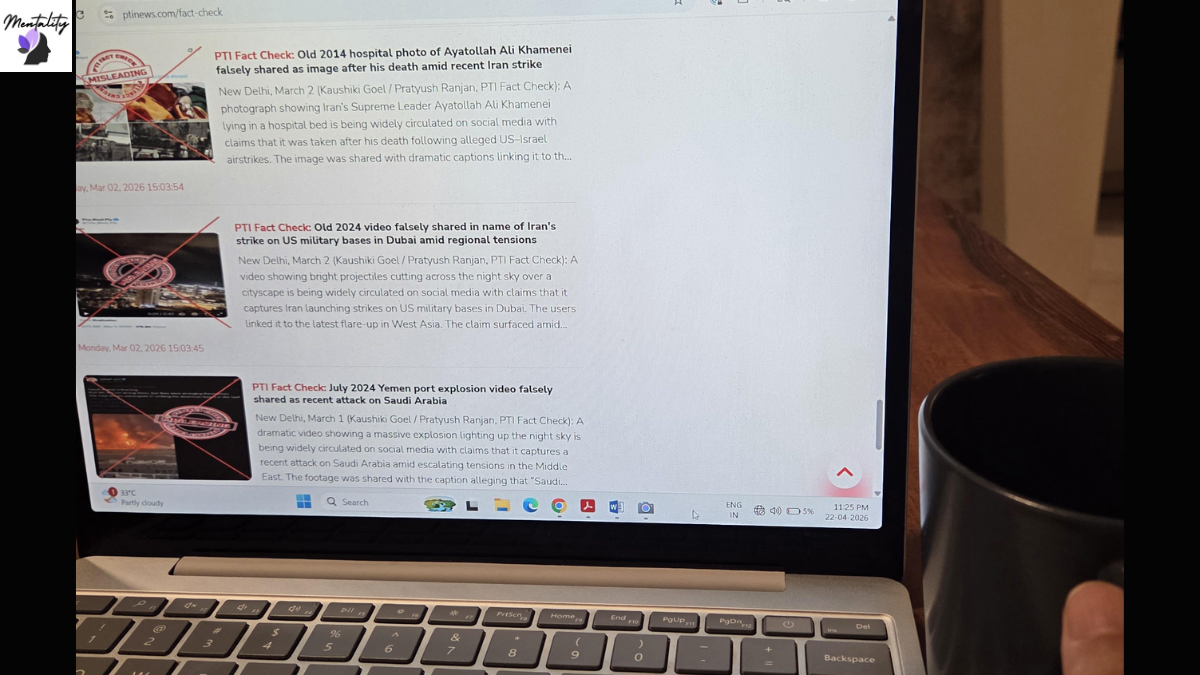
Fact-checkers have been debunking viral videos of ‘missile strikes’ taken from video games, AI-generated images of destroyed cities, and recycled footage from older wars being circulated as correct ones.
In addition, other patterns that Ranjan noticed consistently are emotionally charged claims, such as exaggerated casualty numbers or fabricated attacks, designed to provoke anger or sympathy and spread rapidly online.
“While we try to minimise exposure by analysing key frames or using technical tools, exposure to disturbing visuals remains unavoidable,” said Ranjan.
What may appear as desensitisation is often the brain’s way of protecting itself from emotional overload, said Pethe-Kulkarni.
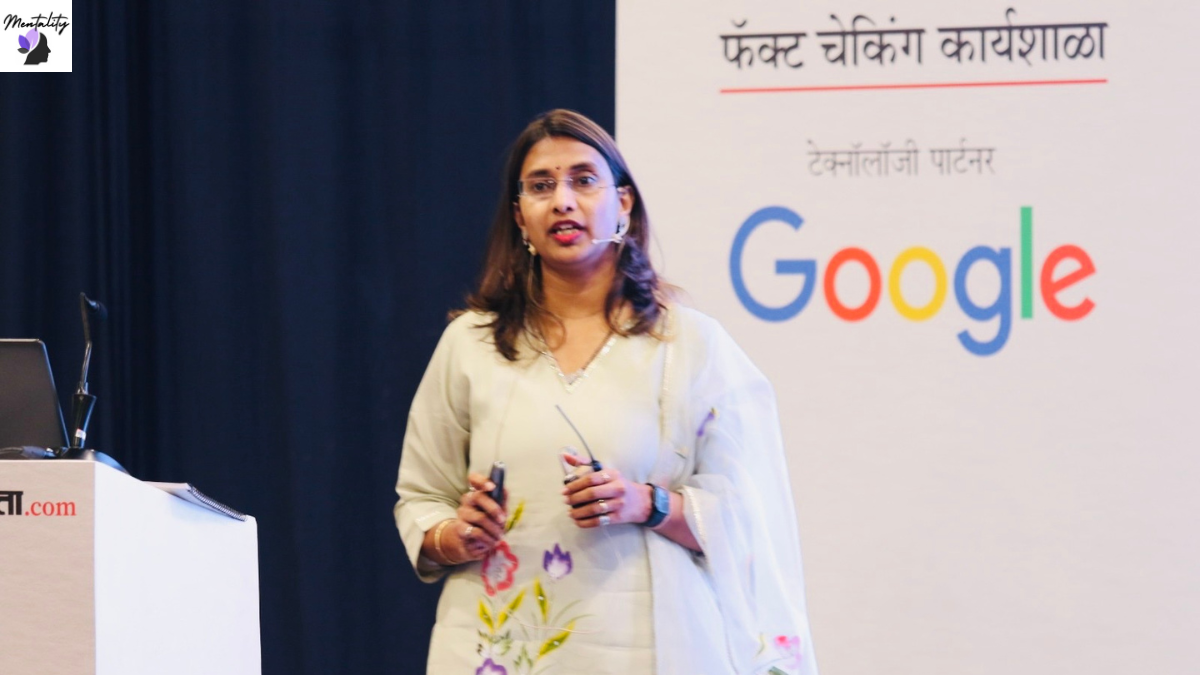
Approaching disturbing content with “a task-oriented mindset,” as Deshkar put it, is one way of dealing with it. “When you repeatedly watch visuals of violence or distress, there is a risk that it can feel routine. I try to stay conscious of this and not let it affect my sense of empathy,” she said, explaining that she usually focuses just on the verification aspect of the content.
Coping with vicarious trauma
Though there is no formally recognised disorder or diagnostic criteria, many psychologists are seeing patients suffering from news-related stress.
The warning signs may include reduced engagement with work, anxiety, irritability, increased errors, or a general sense of dread. Over time, they can also manifest physically through fatigue, illness, or disrupted sleep, said Pethe-Kulkarni. “Sometimes it can also lead to hypervigilance, where even outside work, you are drawn to distressing information,” she said.
Ranjan said certain images can linger long after work ends, particularly when they involve human suffering or large-scale tragedy. “As fact-checkers, we often discuss difficult cases within the team, which makes the work less isolating,” he said. Limiting unnecessary exposure to graphic footage, rotating assignments when possible, and taking short breaks during intense verification work also help, he added.
Pethe-Kulkarni said “meaning-making” is important. This is because how individuals process and interpret what they have seen can shape whether the experience feels overwhelming or manageable.
Reminders on why journalists do the work they do and the importance of it is one of the ways newsrooms can build resilience.
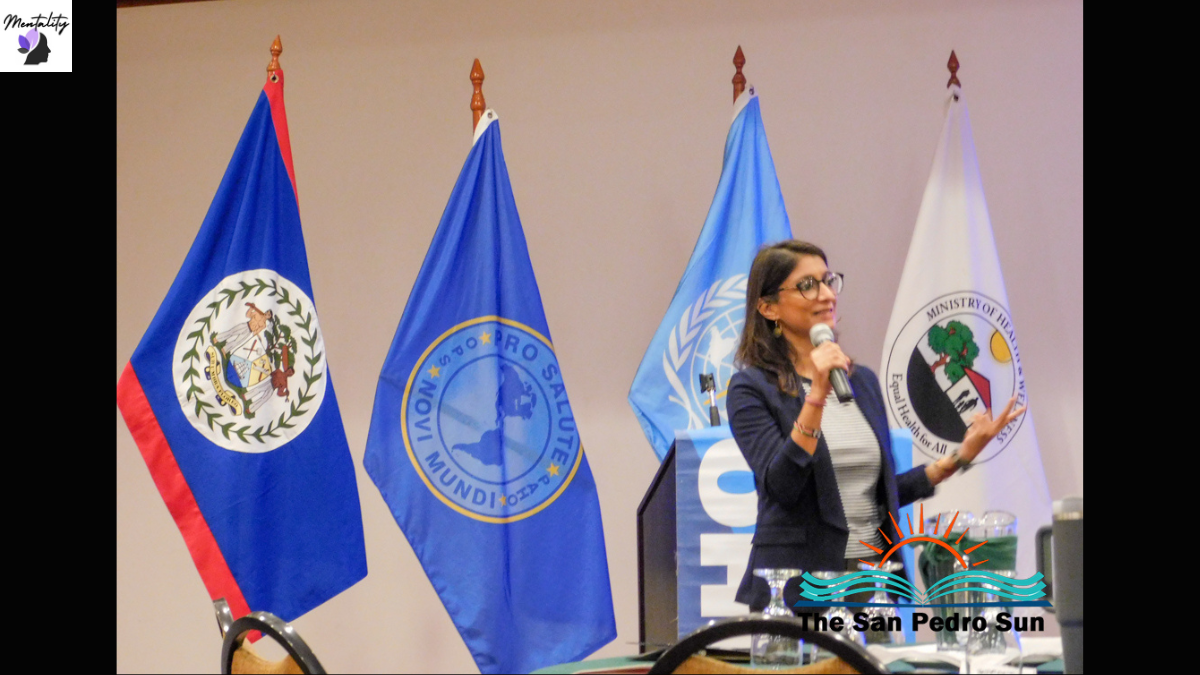
Meera Damji leads the Media Research and Advocacy vertical at the Centre for Mental Health Law & Policy, Indian Law Society, Pune. She was a radio host at a Mumbai radio station as news about the 2008 terror attacks in the city broke. She said, even as the city came under attack, she could not let the fear in her voice show, but, at the same time, she couldn’t distance herself from the news either. “A lot of people were on the road and had tuned into the radio for updates. I couldn’t let any emotion take over at that time,” she said.
However, as the story unfolded and more details came to light, she said she realised, despite not being on the ground and experiencing the incident first-hand, it was okay to let some emotions come out on radio. “I was living the story minute-by-minute as I updated my listeners and that was bound to have an impact on my emotional well-being.”
Witnessing the conflict from afar
The psychological impact of conflict coverage is not limited to those on the frontlines. Aside from fact-checkers, even journalists who may not interact with disturbing content for work navigate its emotional weight.
“I get a wave of sadness first thing in the morning, after looking at the war-related news on my phone. I carry that feeling for hours,” said Priyanka Shankar, a Chennai-based environmental journalist, working with Mongabay-India.
While she doesn’t report on war and conflict, she is regularly exposed to it through social media and in conversations. “People constantly want to discuss the news with me to gain clarity or to indulge in their confirmation bias,” she said. “They expect me to be updated about all the events in different wars. Apart from the emotions of going through difficult imagery every day, there’s a pressure I face in my personal life to be definitely updated, even if I try to take a break.”
Additionally, being media literate and understanding how the news industry works comes with its own burden. “I feel a pressure to educate people in my life about biases and sensational news and what it’s meant to do,” she said.
Shankar shares her insights as a journalist, tells friends and family not to trust all WhatsApp forwards, and to verify the source of the news, especially for sensitive events during the war. “Small wins.”
Ranjan has changed how he consumes news himself. “It has made me more cautious and analytical when consuming information,” he said. “I follow a ‘selective reading/watching’ approach. I tend to look for the source of visuals, check whether the footage has appeared before, and examine whether the context being presented matches the evidence. Fact-checking naturally trains us to question viral content before accepting it at face value.”
Deshkar said, over time, she has moved away from consuming mainstream TV news, except occasionally for regional updates. “Instead, I prefer reading news through print and credible online platforms, where I can engage with the information more critically and at my own pace.”
Compassion fatigue and burnout
Journalists are at a high risk of secondary traumatic stress, compassion fatigue, and burnout, according to a 2021 research by Dr. Elana Newman, Research Director, Global Center for Journalism and Trauma.
The extent and intensity of the impacts vary widely. Early-career journalists, those with prior trauma, or those with higher empathy may be more vulnerable, said Pethe-Kulkarni, while also acknowledging that people process these impacts differently and what may work for one may not work for another.
In many newsrooms, the awareness of the psychological impact of such work is gradually increasing, said Ranjan, and there is growing recognition that journalists and fact-checkers need support.
In Wankar’s newsroom, a wellness scheme facilitated his participation in therapy sessions to make sense of his thoughts and overcome overwhelm and burnout.
“Earlier, I would vent to my family, but I realised they couldn’t fully relate to or help process what I was experiencing,” said Deshkar.
For Wankar, the disconnect he feels from humanity when being faced with disturbing news resets every time he goes home to his family. “During the first few days of the recent US-Israel-Iran war, I was in a constant melancholic mood, assuming the world’s not going to get any better from here on. But then I come back to my family–my beloved wife and a lovely two-year-old girl–they bring back my human senses.”
Peer networks also play an important role in supporting journalists, especially in a place like India where formal structures to seek help are usually limited to extreme cases.
Damji found that the training sessions she conducts often become one of the few spaces where journalists can acknowledge their emotional experiences.
A key starting point, Damji said, is recognising mental health as an occupational concern in journalism. But she acknowledged the practical challenges, “Has anyone seen the routine of a journalist? Where is the time for self-care?”
For many of the journalists, this awareness translates into smaller personal adjustments.
Deshkar avoids checking social media platforms like X and WhatsApp after work hours, especially during conflict-heavy periods, she said.
“I am trying to beat that habit of checking the phone first thing after I wake up,” said Shankar.
Deshkar watches calming videos, paints, or watches a light-hearted film. “I have come to understand that there is no perfect way to deal with this. What helps instead is finding small ways to switch off, even temporarily.”

Author: Aditi Tandon
Aditi Tandon is a journalist and media trainer, currently working as a Senior Editor at Mongabay-India.