

Image Credit: Sana Amir/Hri Southasian
By Vibha Singh
For many young women, the constant chatter about how much their wedding might cost can lead to anticipatory anxiety. Rejection linked to dowry can feel less like a failed relationship and more like a rejection of one’s worth as a human being.
Twenty-four-year-old Aanchal Vishwakarma, a social media executive from Hardoi in Uttar Pradesh, is not considering getting married anytime soon but is worried about what financial pressures her parents might come under when she eventually decides to.
Throughout her childhood, she often overheard conversations that were never meant for her. Late at night, hidden behind a curtain, she listened as her parents discussed finding a suitable groom, arranging finances, and preparing for future wedding expenses. “As daughters, we grow up carrying a silent burden,” she said.
She took up a job after graduation, so she could support her parents. However, if the hushed tones discussing the cost of her marriage were not overheard, Vishwakarma wondered if she would have studied further instead.
Often, the girls’ families bear the expenses of the wedding. Even if a formal demand for dowry is not made, the cost of the wedding becomes a form of price the bride’s family pays for the marriage alliance.
The average cost of hosting a wedding celebration in India in 2024 was Rs 29.6 lakhs, according to a 2025 survey by WeddingWire India, a wedding planning app. For context, an average Indian earns a little more than 2 lakh rupees a year.
For many young women, the constant chatter about how much their wedding might cost can lead to anticipatory anxiety, said Dr Harish Shetty, Psychiatrist, Dr L H Hiranandani Hospital, Mumbai. That is a state in which a person begins worrying about a future threat long before it materialises. “Repeated conversations about marriage expenses can create anxiety, guilt, and a sense of responsibility that no child should carry,” he said.
The changing face of dowry
The idea that as soon as a girl gets married, she becomes a part of her marital home and leaves her paternal home behind is widespread. “Many girls grow up being treated as temporary members of the family,” said Dr Saigita Chitturu, Assistant Professor, Tata Institute of Social Sciences. It is this idea that sows the seeds for dowry or gifts.
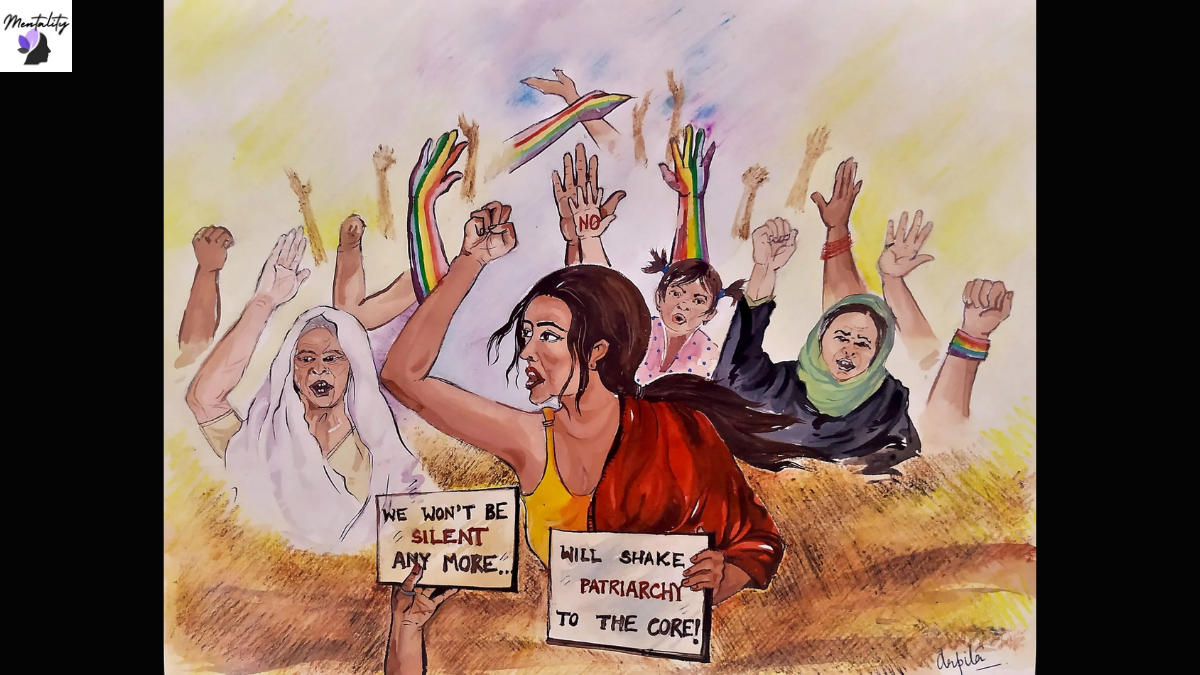
Although dowry was banned in 1961, huge amounts of money, gifts, property and jewellery are given to the groom’s family even today.
In May 2026, actress Twisha Sharma was found dead in her marital home. Her parents alleged that she was tortured by her husband, Samarth Singh, and his mother, Giribala Singh, a retired judge. Sharma’s family claims that the Singhs demanded dowry and murdered their daughter over it. News channels tirelessly sensationalised updates on the case for days on end. The BBC reported that Sharma’s parents admitted to giving dowry at the time of her wedding, “…they were constantly taunted by the Singhs that the wedding was not according to their “standards”–an accusation Giribala Singh has rejected.”
This case goes to show that dowry is not elusive even in highly educated, privileged families of professionals.
Dr Shetty said girls raised in highly patriarchal households may grow up watching women endure humiliation, they accept unequal treatment as normal. “When girls repeatedly witness women being treated as secondary citizens within the family, they may internalise the belief that sacrifice and submission are expected parts of womanhood,” he said. Over time, these messages can make it harder to recognise controlling behaviour, increasing the risk of accepting unhealthy relationships and normalising emotional abuse in adulthood.
India records dowry deaths, but not the years of anxiety, guilt, depression and diminished self-worth that often precede them. According to the latest National Crime Records Bureau figures, there were 16 dowry deaths every day in India in 2024.
However, the law says that mental harassment can be equally destructive as physical violence, particularly, when it is continuous, humiliating, and linked to financial extraction through marriage, said Sonam Chandwani, managing partner at Mumbai-based KS Legal & Associates.
Women take charge of their lives
A Delhi-based school teacher, who requested anonymity, called off her wedding moments before the pheras after the groom’s family demanded Rs 10 lakh in cash from her father. “They wanted us to promise to pay it within a month,” she said.
Her father, she said, had already spent more than Rs 25 lakhs over the wedding. “I went into depression for a long time,” she said. “The marriage ended before the ceremony could be completed, but the emotional aftermath lingered for months.”
“Psychologically, rejection linked to dowry can feel less like a failed relationship and more like a rejection of one’s worth as a human being,” said Dr Aswathi R. S. Nair, a Mumbai-based clinical psychologist.
A 27-year-old woman from Kurukshetra, Haryana, called off the marriage in April 2025 after the groom’s family constantly escalated their dowry demands. The emotional impact extended far beyond the loss of the relationship. What affected her most was the feeling that she had been evaluated and rejected based on money, she said. She subsequently developed social anxiety and began avoiding weddings, family functions, and conversations about marriage, said her sister.
Dr Vibhuti Patel, Retired professor, Advanced Centre for Women’s Studies, Tata Institute of Social Sciences, Mumbai, said her students now want to save enough money to buy a small flat in their own name. “They want somewhere to go if their marriage fails, she said. “They want security.”

Author: Vibha Singh
Vibha Singh is a Mumbai-based journalist and a media educator. She is the founder of Women Against Cyber Abuse and India Solutions Desk.