
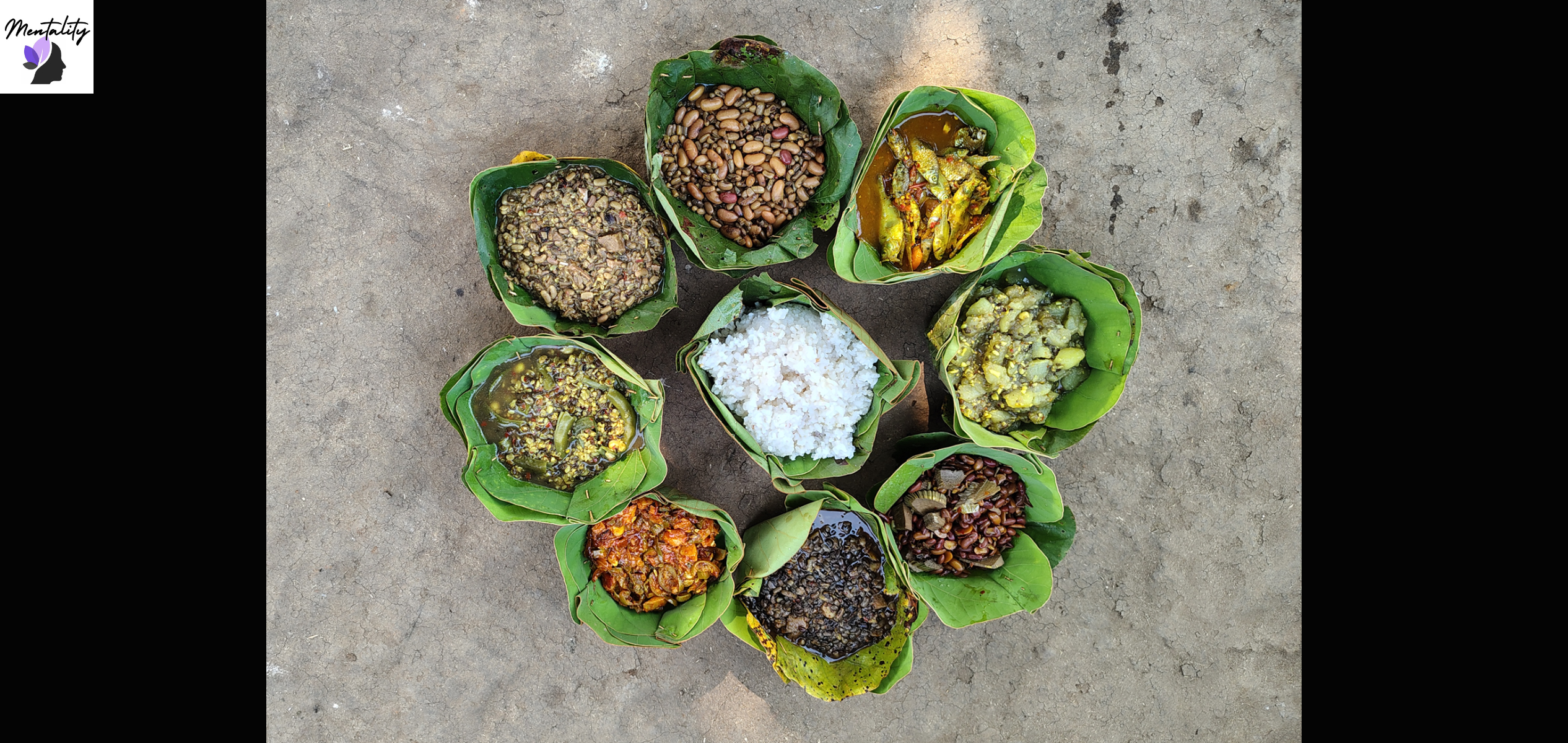
Traditional meals of tribal communities in Malkangiri district, Odisha (Image Credit: Abhijit Mohanty)
By Abhijit Mohanty
When migrants feel the pressure to hide or abandon their traditional foods, they may also begin distancing themselves from an important part of who they are. Adivasi migrants from Odisha say they are forced to hide their foods from their coworkers.
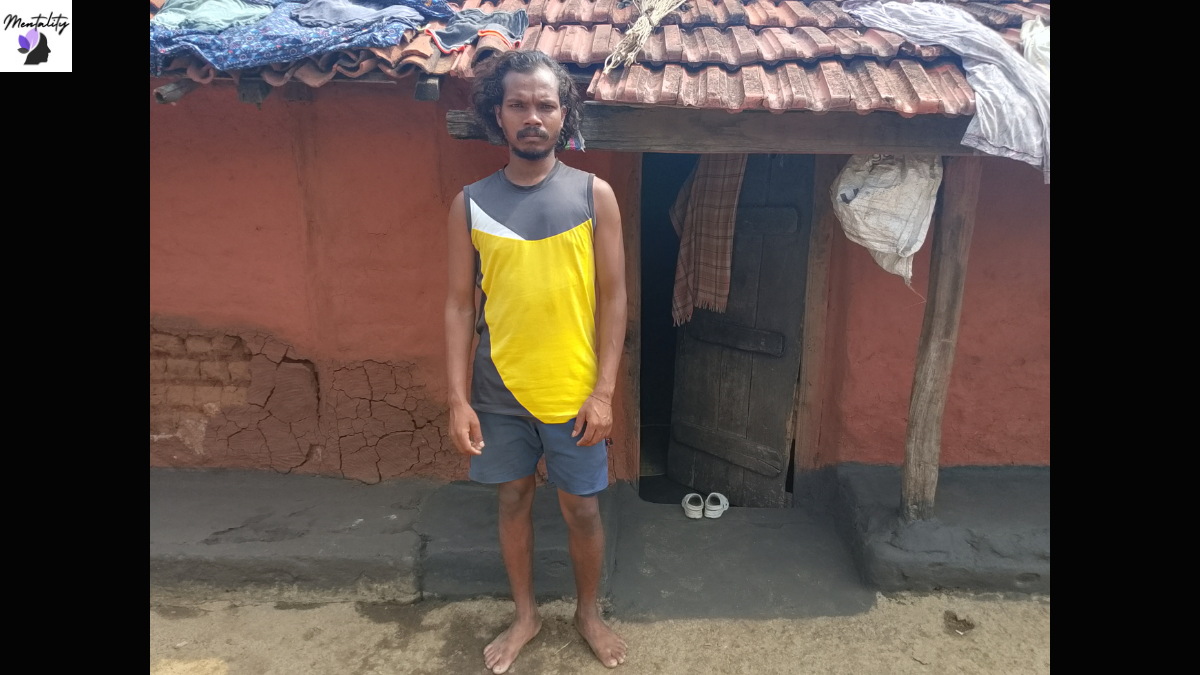
Every day by lunchtime, 32-year-old Hari Gurteli, would have spent five hours under the scorching sun, loading bricks, carrying tools, and assisting a JCB operator at a construction site in Bachupally area, on the outskirts of Hyderabad.
At lunch, dozens of workers gather around to pick up steel plates piled with rice, spicy curries, and fried snacks and chat their time away. Gurteli rarely joins the conversations, he said.
Three years ago, Gurteli, a Bhumia Adivasi man, left Jamguda village in southern Odisha’s Malkangiri district and migrated to Hyderabad for work. “Food here is very different,” he said. “Back home, we ate mandia (finger millet), bamboo shoots, wild mushrooms, tubers, and leafy greens,” he added.
Psychologists say food is deeply intertwined with a person’s emotional well-being. “Traditional foods are often tied to identity, culture, and belonging,” says Isha Ipshita Satpathy, a Bhubaneswar-based psychologist. “When migrants feel the pressure to hide or abandon those foods, they may also begin distancing themselves from an important part of who they are.”
While some might become quieter about where they come from, others might stop talking about their home altogether, she added.
When he first arrived in Hyderabad, Gurteli said he tried explaining what his traditional foods were like to his co-workers. Most had never heard of them. A few laughed and called them “tribal food.” Others wondered why anyone would eat food gathered from forests. Since then, whenever anyone asked what people in his village ate, he said he simply replied, “rice.”
Those foods are a part of who Gurteli is. “These are our everyday foods,” he said. When relatives send photos of community feasts, he said he stared at them for long periods before returning to work. “I never realised how much I would miss them.”
Migrants and cost of food
According to latest figures, about 28 lakh people have migrated from Odisha in search of jobs, with the largest populations in Tamil Nadu, Gujarat, Andhra Pradesh, Telangana, and Maharashtra.
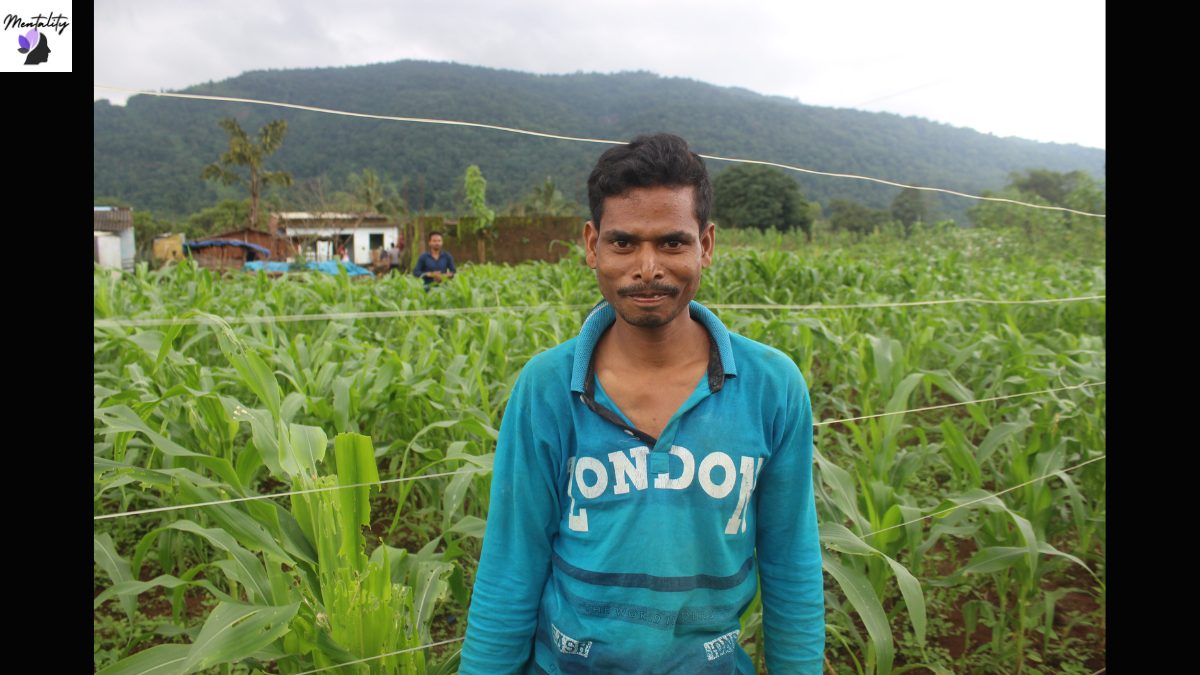
Twenty-eight-year-old Muna Jhodia works in a factory in Vellore, Tamil Nadu, rolling and packaging incense sticks. He is a Paroja Adivasi from Siriguda village in Odisha’s Rayagada district, he shares a rented room with other migrant workers.
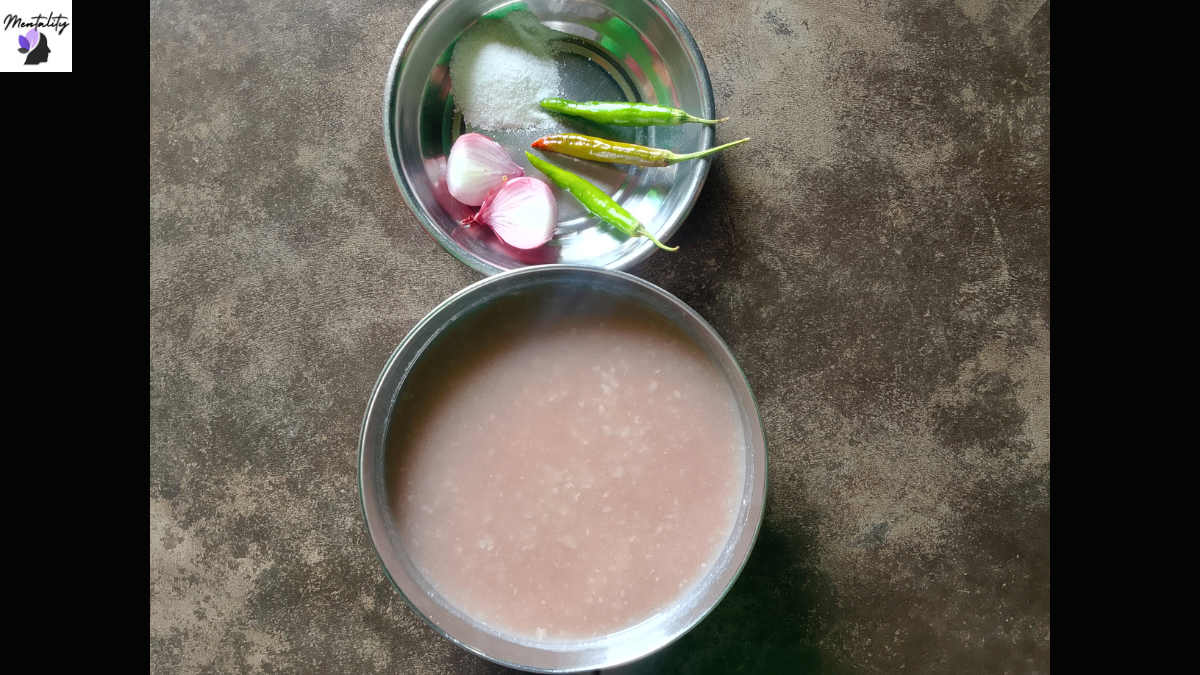
At lunch, most workers eat idli, vada, uttappam, chappati, rice, rasam, and sambar. “These foods fill our stomachs,” he said. “But without mandia jau, our meal feels incomplete.” Back home, mandia jau, a gruel made from finger millet, maize, and rice is a staple. Jhodia grew up on it, eating it before school and later while working on his family’s farm. “Mandia jau is part of who we are,” he said. “When I cook it here, it reminds me of home.”
One day, Jhodia prepared mandia jau in his room and carried it to work. When he opened the container during lunch, a few co-workers gathered around. “They asked why it was black,” he said, “and why it had a fermented smell.”
Jhodia said all he wanted to do was to recreate a small part of his home.
The incident changed more than his lunch routine. “When people started making comments, I stopped talking about our food,” he says. “It felt easier to avoid the topic.”
The cost of migration
Cooking traditional food in the city also comes with a cost. A 500-gram packet of ragi flour costs around Rs 70 in Vellore. Back home, Jhodia’s family grows ragi and never has to buy it. “When I first came here, I used to buy ragi flour regularly,” he says. “But I was spending more money on food than I could afford to.”
Eventually, he stopped preparing mandia jau as often.
“Sometimes I stand in front of a shop and think about buying ragi flour, but then I calculate my expenses,” he said. He doesn’t buy it. “I feel helpless. The food I grew up eating has become something I can no longer afford regularly.”
The emotional significance of food extends beyond identity, said Akanksha Adya, Assistant Professor of Psychology at Krea University, Andhra Pradesh. “Food is also a form of memory.”
“There are days when I suddenly remember the taste of a bamboo shoot curry my wife used to cook,” Gurteli said. “On those days, I don’t feel like eating what is available here.”
The meals we grow up eating are linked to experiences of care, being fed by parents, cooking with family members, and gathering during festivals, said Adya. “When migrants crave a particular dish, they are often craving those relationships and routines as much as the food itself.”
Bringing food from home
Migrants carry their food cultures with them even as they adapt to new places and new tastes. “Migration creates opportunities for the migrants to experience new cuisines,” said Umi Daniel, an independent researcher and policy advisor on migration and climate studies based in Bhubaneswar.
“A key concept in the literature on food and migration is that of food acculturation, understood as the process by which individuals or groups acquire and alter their food practices, preferences, habits, and cultural meanings associated with food in response to social interactions and cultural contacts,” reads a 2025 study on migration and food studies.
Daniel said there are many examples in Odisha where returnee migrants have introduced foods they first encountered outside the state. “In Kandhamal, for instance, Kerala paratha has become popular because so many people worked in Kerala and returned with a taste for it.”
Money and identity
Gurteli was the first person in his family to leave the state in search of employment. “I was earning much more than I could earn from farming in the village,” he said.
Gurteli used to earn around Rs 80,000 every year from rainfed agriculture by growing paddy, millets and pulses on his three-acre land. In addition, he would earn around Rs 10,000 from selling surplus vegetables. After taking up the job in Hyderabad, he earns around Rs 288,000 every year. “I felt proud that I could send money home,” he said.
Most evenings after returning from the construction site, Gurteli lay awake in his rented room scrolling through photographs on his phone: millet fields and bamboo shoots gathered from nearby forests. Sometimes he watched the same videos repeatedly before finally falling asleep, he said.
“I earn more money now,” he said. “But some things don’t come with money.” Every three months, when he returns to Jamguda, his wife prepares chuna sago, a traditional Bhumia dish made from rice flour, pigeon pea flour, brinjal and dried bamboo shoots known locally as sukha kardi. “When I eat chuna sago, I feel like I am truly home,” Hari says. “It has the fragrance of my village.”
Correction: An earlier version of this article carried “Orissa” instead of “Odisha”. It has been corrected.

Author: Abhijit Mohanty
Abhijit Mohanty is a Bhubaneswar-based independent journalist who reports on sustainable food, livelihood, women’s leadership and climate change with a special focus on tribal and other marginalized communities of India.