
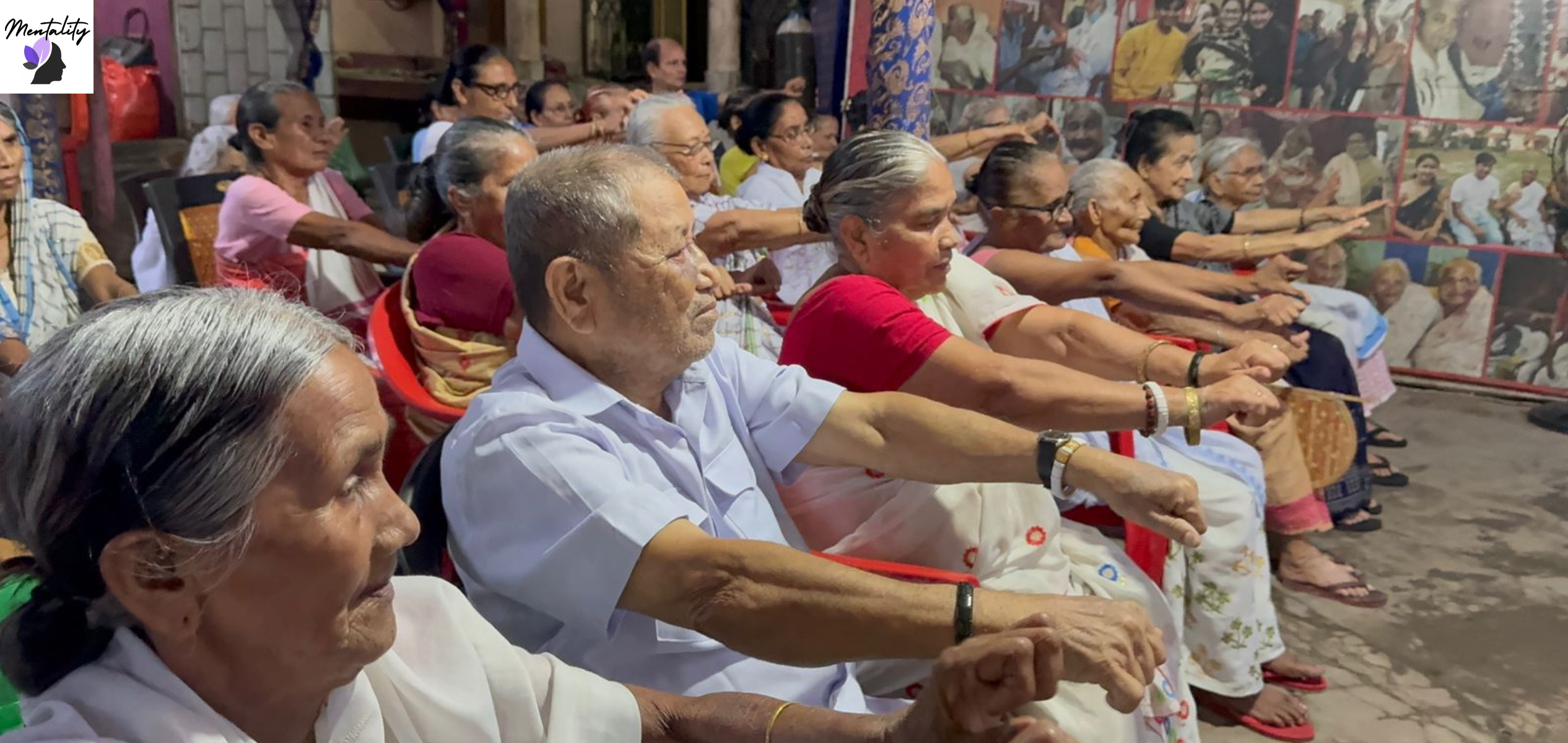
Residents of Sonapur Government Old Age Home take part in an exercise session (Image Credit: Maitreyee Boruah)
By Maitreyee Boruah
Assam has one of the highest numbers of destitute women in all of the northeastern region. Some of them are on the streets because of their mental health issues. Others have developed psychological issues because of their homelessness. But there’s hope.
At dawn, 85-year-old Usha Rani Ghosh wheels her way through the sprawling courtyard of Sonapur Government Old Age Home, on the outskirts of Guwahati. Her legs are too weak to carry her weight, but upon reaching the courtyard and starting laughter therapy, she feels light as a feather.
The routine is the same for all 60 residents of the old age home. Sometimes they do breathing exercises and sometimes they just laugh in unison. “We talk about news, food, and anything and everything,” said Ghosh. “And laugh without any inhibition.”
For Ghosh, and many like her, laughter therapy is not about forgetting her pain. In fact, her main struggle is her loss of memory.
On 20 August 2021, Ghosh was brought to the old age home by officers of the Dispur Thana (police station). She had been wandering the streets unsure of where to go.
Ghosh was one of the first residents of the facility. Initially, she was aloof, said Utpal Harshavardhan, member secretary of the facility. Ghosh has been diagnosed with severe depression along with Alzheimer’s disease. “At times, she was violent too. Over the years, because of medication, counselling, and therapy, her mental health has improved,” he added.
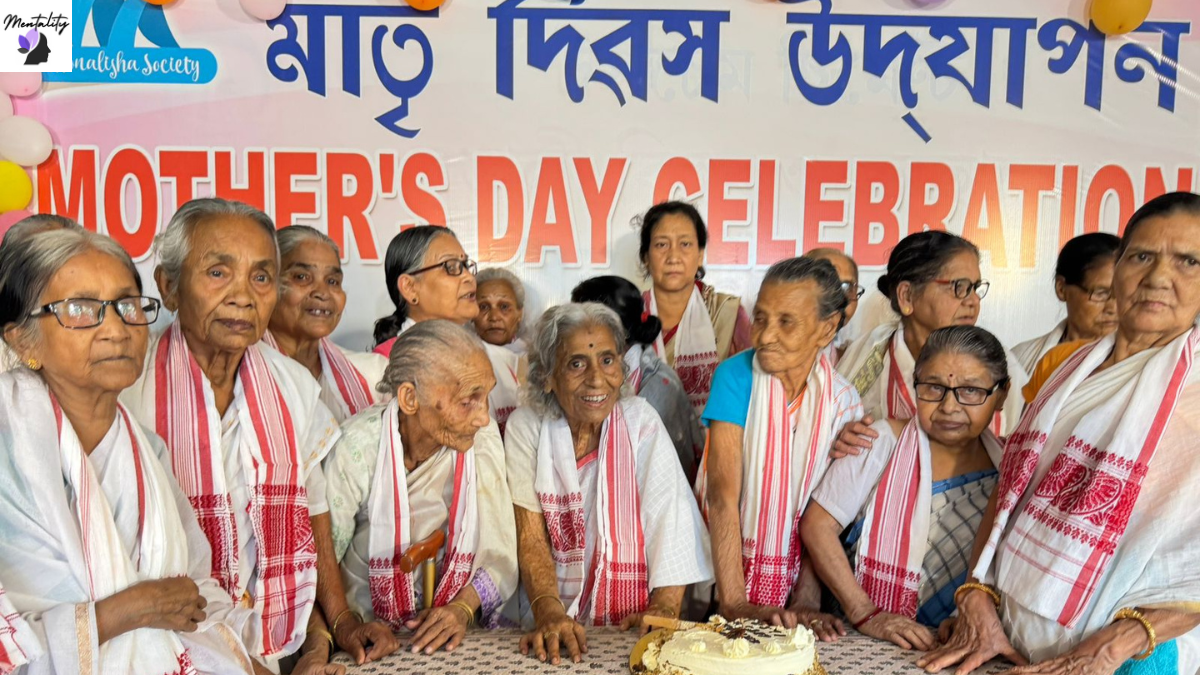
In the short span of five years since the facility first opened, about five dozen people have walked its halls. “They all have one thing in common: for one reason or another, life brought them to the streets of Guwahati,” said Elina Manjekhun, a Guwahati-based social worker working with homeless people.
Guwahati is the biggest city of Northeast India. People living in its homeless shelters have either lost their homes to floods and acute poverty or are labelled as witches and thrown out of their villages. “Many came from across Assam and other northeastern states,” said Manjekhun. “Some have travelled from faraway places like Jharkhand and Tamil Nadu to seek refuge on the streets of Guwahati. Some also come from Bangladesh and Nepal.”
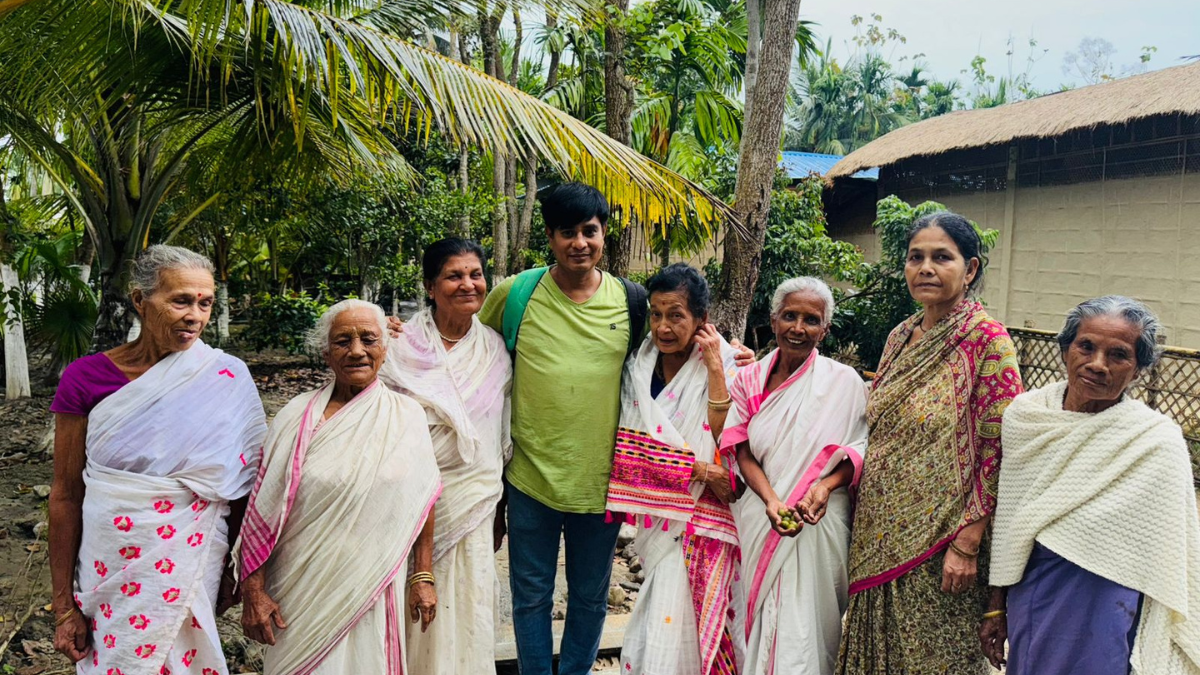
Assam had the highest number of destitute people in all of Northeast India in 2018. A situation that has not changed much since. Moreover, there were twice as many destitute women as men.
Many homeless people live with schizophrenia, said Sushil Agarwalla, a Guwahati-based psychiatrist . Others are diagnosed with bipolar disorder, psychosis, severe depression, or high rates of substance abuse.
“Destitute women are a highly vulnerable group,” said Rubi Kalita, District Social Welfare Officer, Kamrup Metropolitan District, under which Guwahati falls. “Some of them are on the streets because of their mental health issues. Many others have developed such psychological issues because of their homelessness.”
Caring for destitute people
Agarwalla has worked with destitute people for close to two decades through his association with various local NGOs and communities. “Recovery of [destitute] people with mental health issues are high if appropriate and early medical intervention is provided,” he said.
Interventions in these facilities include dance, yoga, and cooking, other than laughter therapy and exercise.
“After prolonged counselling sessions, residents usually tell us about their families and homes,” said Sangeeta Deka, Senior Psychologist at Navachetana, a rehabilitation centre for homeless women with mental health issues, on the outskirts of Guwahati. After verifying the details with the help of the police, they assess if the family can care for the person and their treatment, she added. “Only then do we take them to their homes.”
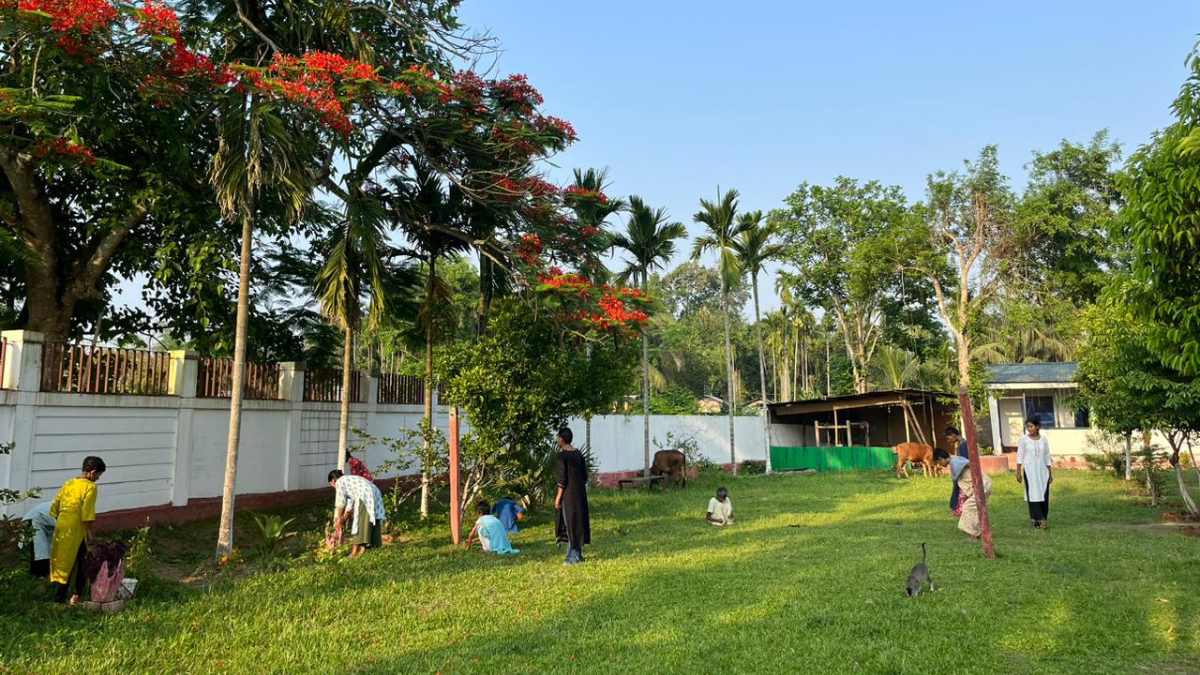
Dance, play and companionship
In merely three years of stay at the Sonapur facility, 72-year-old Anima, who had never danced before, has learnt almost all the steps of Bihu, the popular indigenous folk dance. “Moi bura boyokhot Bihu xikisu (I have learnt Bihu late in life),” she said. “Now, I find it thrilling to dance with everyone, even when our steps mismatch.”
Anima is a person living with schizophrenia, she doesn’t remember her family or her home.
The symptoms of schizophrenia are hallucinations, verbalised self-talk, and poor personal hygiene as they lose motivation and display disorganised behaviour, said Agarwalla. “People with schizophrenia tend to turn into wanderers,” he said. “So their chances of becoming homeless are more likely many times, as they cannot locate their homes.”
Harshavardhan said that recovery for those like Anima is a long process. “Often, their physical ailments are treated sooner,” he said. Anima said she takes her medication regularly, which is the best she can hope for. “Everyone loves and respects me a lot. This is my home,” she added.
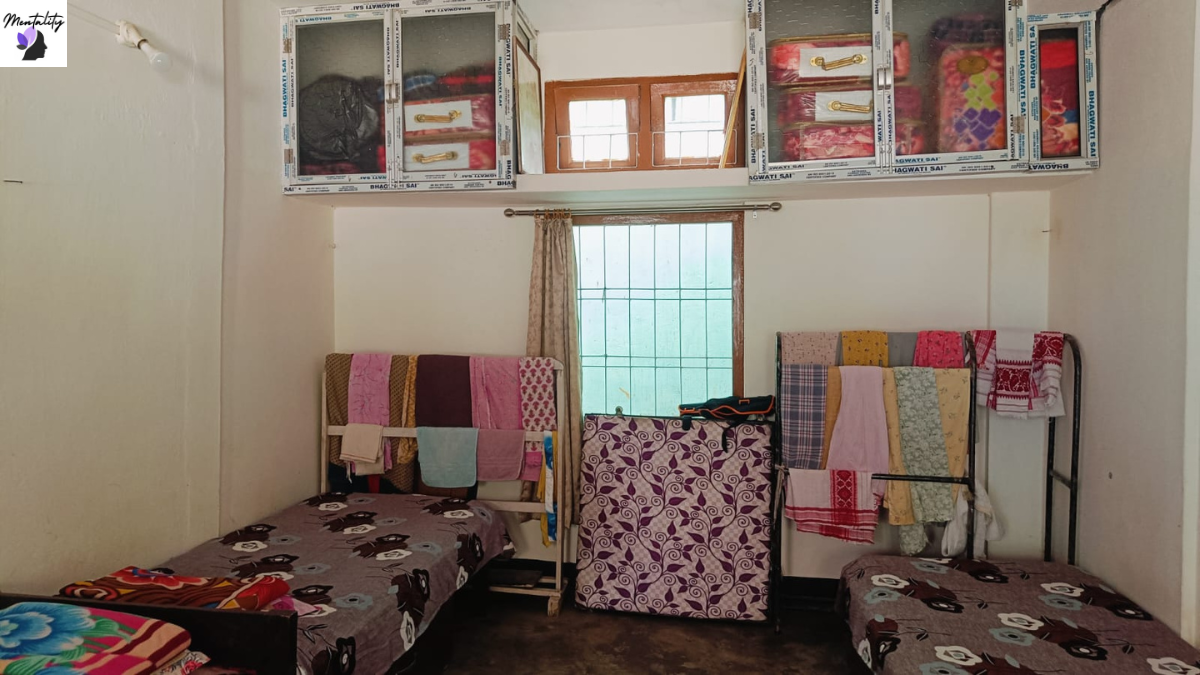
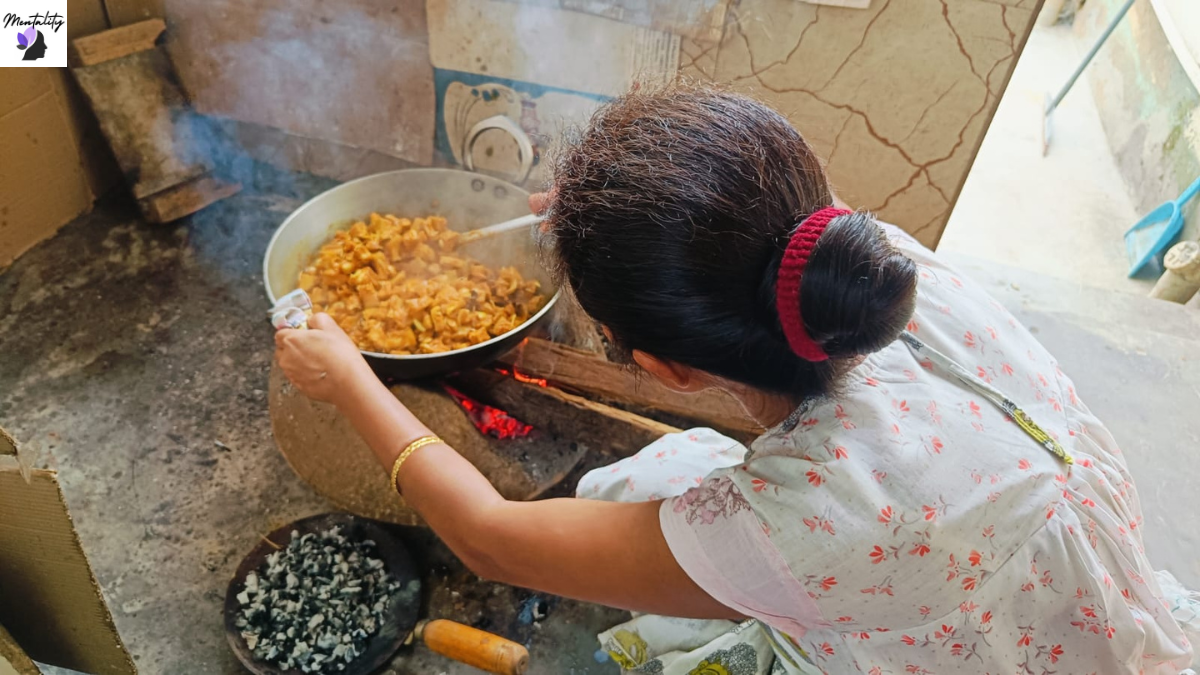
Forty-year-old Purnima, who only writes her first name, is a resident of Seneh, another home for destitute women in Guwahati. She has been diagnosed with schizophrenia and had lived on the streets of Guwahati for at least five years before she was brought to the shelter home. Currently under treatment, Purnima does various things, including reading novels, to keep herself busy. “I need to do something or the other, or else I become restless. So I cook, read, and watch television,” said Purnima.
Often, she cooks kathalor sobji (raw jackfruit curry) in a huge kadhai (vessel) for 30 other women residents of the facility, but especially for her Bibianna, who she calls baideu (elder sister).
Bibianna suffers from dissociative amnesia and is originally from Jharkhand. She was brought to Seneh from a busy marketplace in Guwahati almost seven years ago. She said she does not remember how or when she came to Guwahati. But what she remembers well is making jute bags and mats. “I have been making jute bags and mats since I was a child. So, when I came here, I started making them again,” she said. Bibianna suffered a stroke a few months ago. “I have become a bit weak. Once I am healthy, I will make jute bags and mats again,” she added.
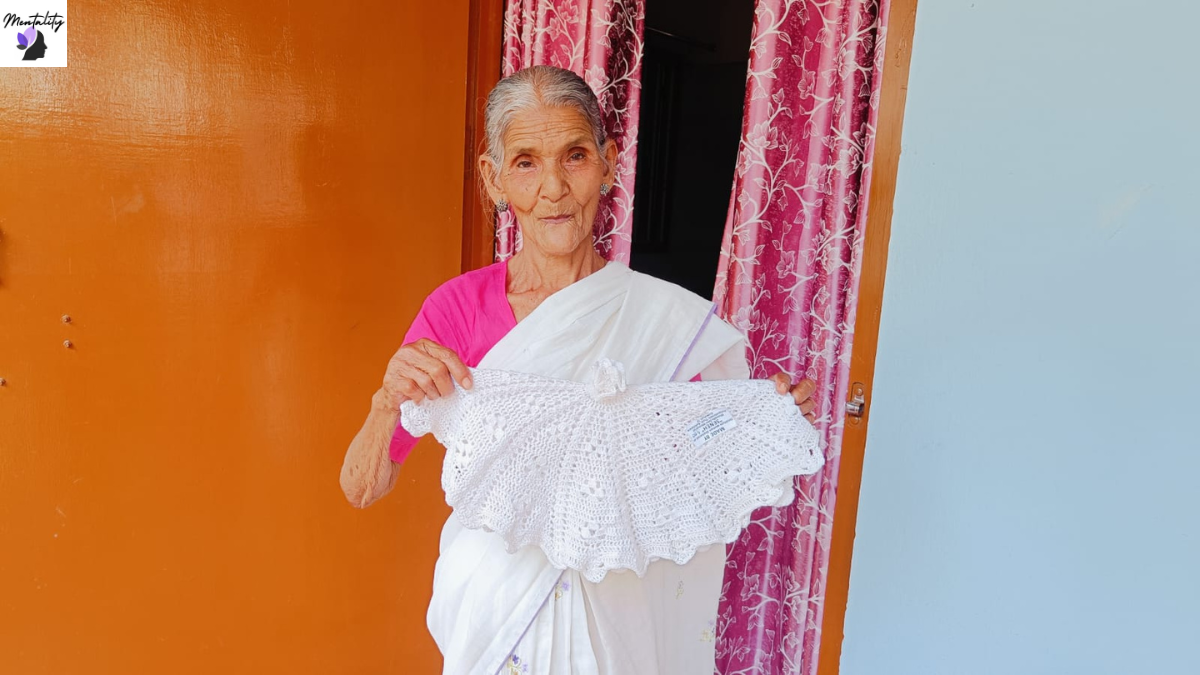
Deka said that activities like bag making or cooking give their lives meaning. In many ways, these routine activities keep them alive, she added.
Happy reunions
Kajol, a resident of Navachetana, also likes to cook for her 24 fellow residents, she said. Administrators estimated her age to be between 35 and 40 and said she was diagnosed with schizophrenia. “I am also learning to make kantha,” she said. A kantha is a mat or quilt made by layering and stitching old and used clothes.
On 23 February 2026, Kajol, who requested her name be changed here, was brought to Navachetana. Within a short span of a few months, Kajol responded well to her treatment, said Deka, and is ready to be reunited with her two children in a village 25 kilometers from Guwahati. “I will continue making kantha after I am back home. I will also sell them to earn my livelihood,” she said.
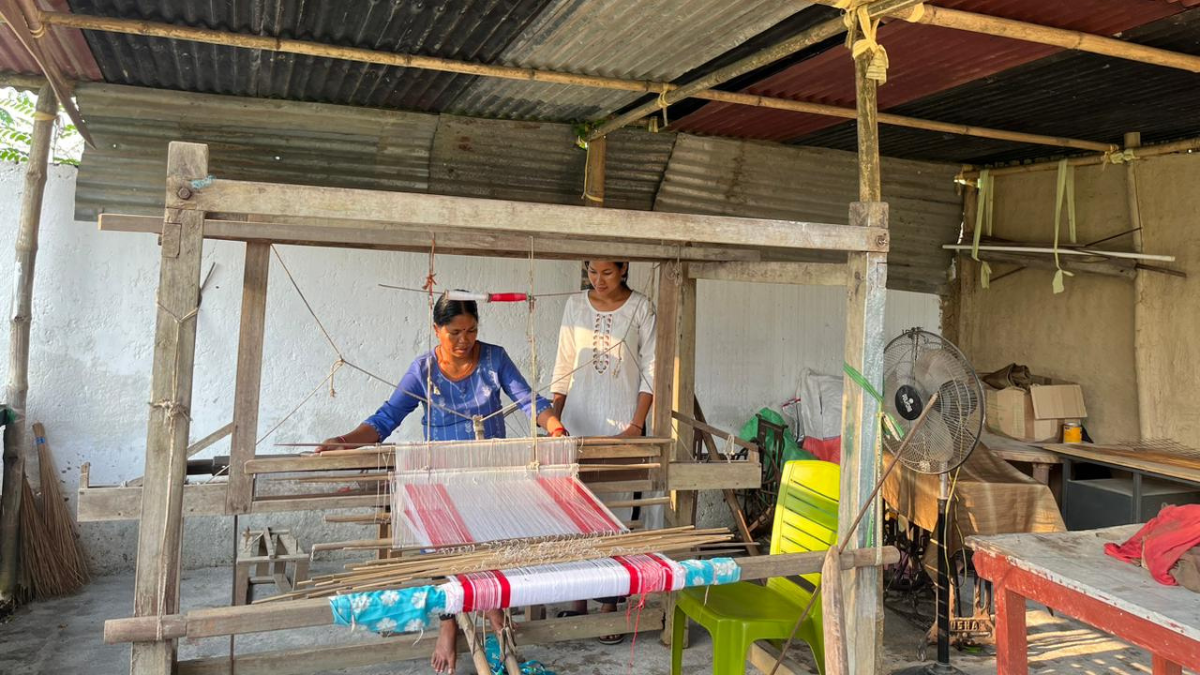
Attempts to trace Ghosh’s family are still on. “Her mother tongue is Bengali. She has a functional knowledge of Assamese,” said Harshvardhan. “These days, she has been telling us that she was born in West Bengal’s Cooch Behar, and her marital home is in Assam’s Barpeta town.”
Ghosh, though, said “By now, all the residents have become my poriyal (family).”

Author: Maitreyee Boruah
Maitreyee Boruah is an independent journalist who reports from Assam and Karnataka.