
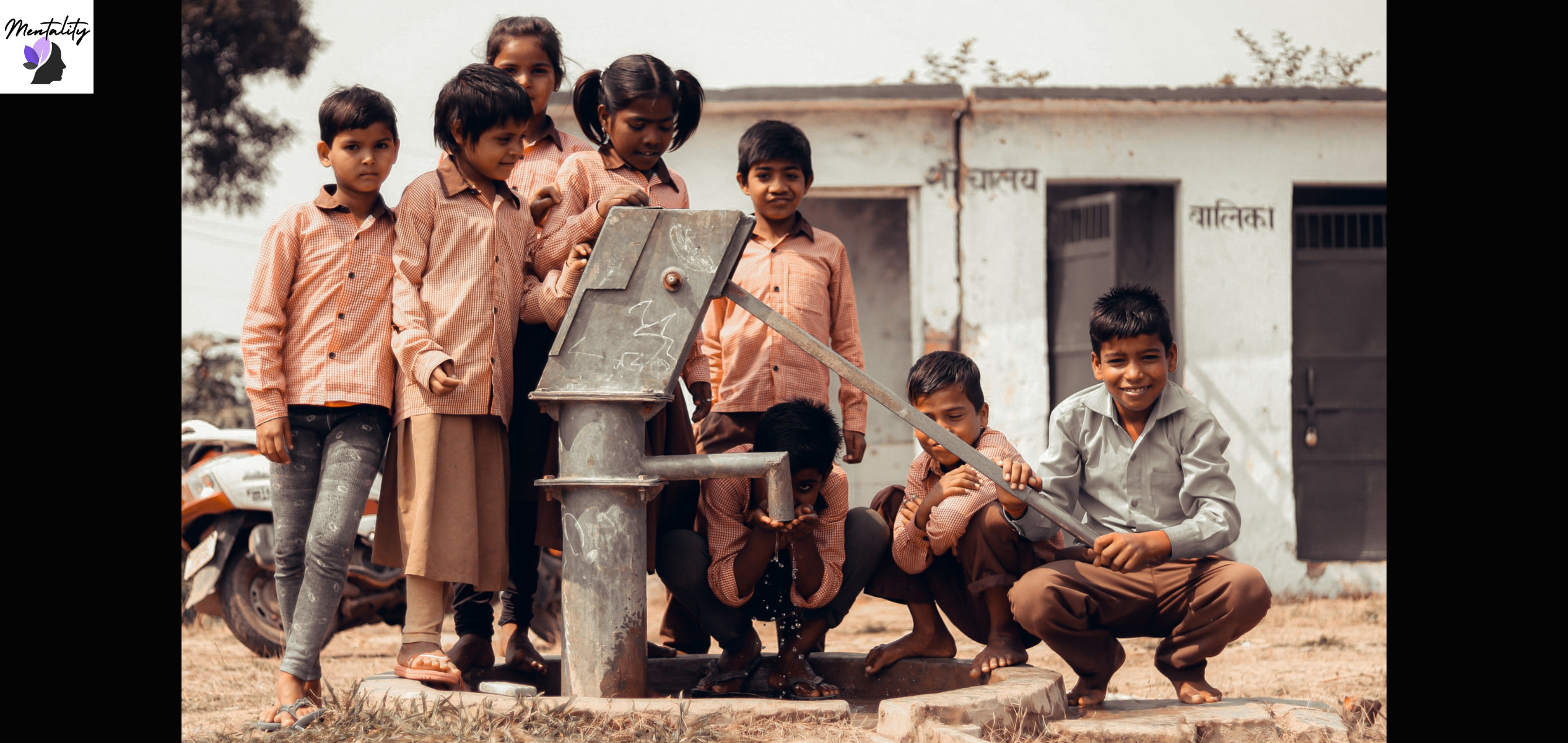
Children pumping water at a school (Image Credit: Ritesh Arya/Pexels)
By Nidhi Sakre and Rishabh Shrivastava
Climate change is no longer only shaping the world children will inherit. It is reshaping the childhood they are living today. For them, the clearest signs of climate change are not the floods or the wildfires they watch on television. They are far more routine: a football practice cut short by sudden rain, a sleepless night after relentless heat, a classroom entered in exhaustion, and a school calendar that quietly bends to the weather.
When the school bell rang every afternoon, 15-year-old Kanishk Singh Baghel used to hurry home to change into his skating gear. A national-level skater from Bhopal, he would start practice at 4 p.m. But his timings have since changed. “The weather decides when I can skate now,” he said.
Since the afternoon heat is too intense during summers, with temperatures hovering above 40 degree celsius, practice begins around 6 p.m.
But, for Baghel, the change starts the night before. “Sometimes we don’t sleep properly because of humidity,” he said. “When we reach school, we’re already exhausted. It becomes difficult to concentrate because we feel tired from the beginning of the day.”
For many children, the clearest signs of climate change are not the floods or the wildfires they watch on television. They are far more routine: a football practice cut short by sudden rain, a sleepless night after relentless heat, a classroom entered in exhaustion, and a school calendar that quietly bends to the weather.
Last year, one of Baghel’s classmates fainted during the morning assembly in the open air. Since then, assemblies in his school, Kendriya Vidyalaya No. 1 in Arera Hills of Bhopal, have become shorter whenever temperatures rise sharply.
UNICEF describes climate change as a psychological stressor, noting that unlike many crises that eventually end, the climate crisis continues to evolve. This means children are not only living through environmental change today but are also growing up with uncertainty about the future and left wondering whether the world will respond in time.
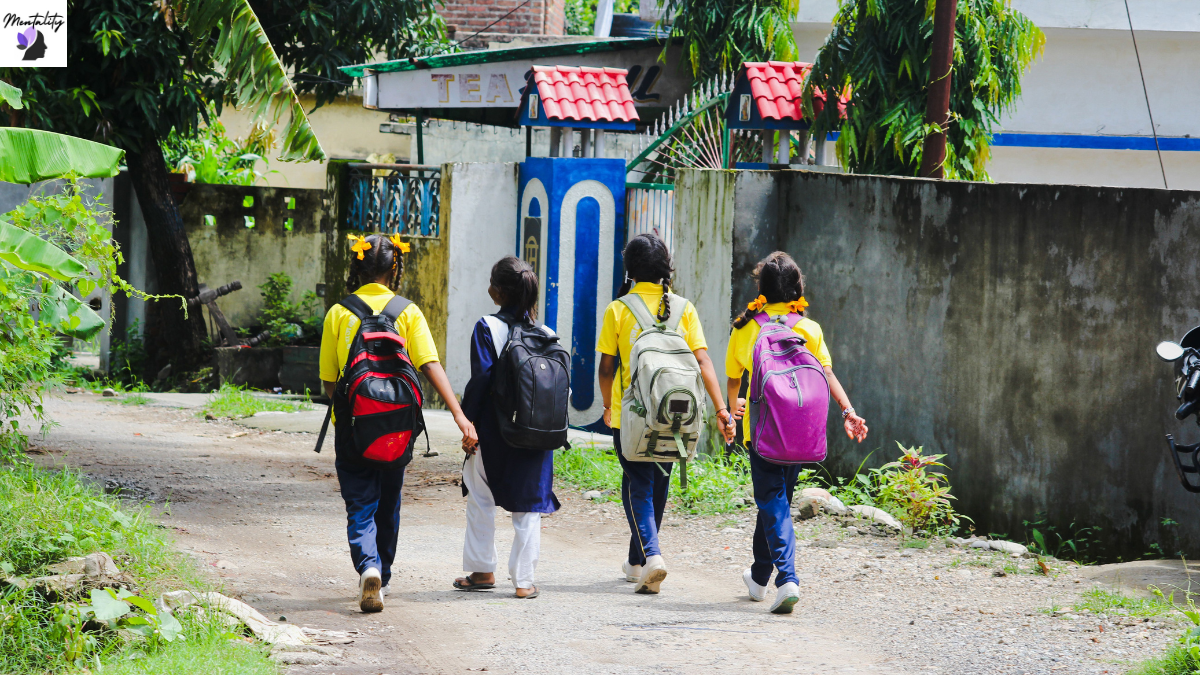
“Young people are beginning to think about their future careers, their health, and even the kind of families they may have someday,” said Dr. Anant Bhan, a public health expert. “When they are constantly told that the future is uncertain, they feel they have very little control over changing it, and anxiety becomes a natural response.”
“I often think our entire generation will spend its time fixing climate change instead of working on development and innovation,” said Baghel.
Redefining “normal”
According to the State of India’s Environment 2026 report, those born in the past 25 years may never have experienced what could be called a “normal” climate, referring to climatic conditions that are no longer dominated by frequent heatwaves, floods, cyclones, and other weather extremes including unusually severe or unseasonal meteorological events that significantly deviate from expected regional conditions and can have devastating impacts on human life, property, and ecosystems.
Climate change is no longer only shaping the world children will inherit. It is reshaping the childhood they are living today.
Not so long ago, fourteen-year-old Anvika Bhilala played football daily. Today, whether she gets to play or not depends on the weather. Over the past two years, sudden rain frequently interrupts football practice for Bhilala, who plays for her school’s football team.
Her school is about two kilometers from home, and although her father usually drops and picks her up, even the afternoon journey back home leaves her exhausted. “By the time I return home from school, I already have a headache because of the heat,” she says. “I feel so tired that I don’t feel like going out again.”
According to the Down To Earth–Centre for Science and Environment’s Weather Disasters Atlas, Madhya Pradesh experienced the highest number of extreme weather events–such as heavy rains, floods, storms, cold waves, and heatwaves–in 2025 and the second highest in 2024.
Manisha Chawre, a science teacher at a government school in Kesla block, Narmadapuram district of Madhya Pradesh, says schools have quietly begun adapting to a climate that no longer follows familiar patterns. Summer vacations are longer, school hours are frequently reduced during heatwaves and the effective academic year has gradually become shorter.
“When children return after these long breaks, it takes time for them to reconnect with studies,” she says. “Many arrive already feeling tired and frustrated. Their concentration drops, and their interest in classroom learning isn’t what it used to be.”
Experiencing climate change
Climate change is no longer theoretical for children today, said Dr Bhan; it is something they are living through.
A 2021 study by The Lancet Planetary Health found that 59% of young people were very or extremely worried about climate change. More than 50% reported feeling sad, anxious, angry, powerless, helpless, and guilty; 75% described the future as frightening, while more than 45% said these worries were already affecting their daily lives.
Fifteen-year-old Mayank Khatri, a school student from Gwalior, said as temperatures rise and groundwater levels continue to fall, his biggest concern was whether enough water will be left for future generations.
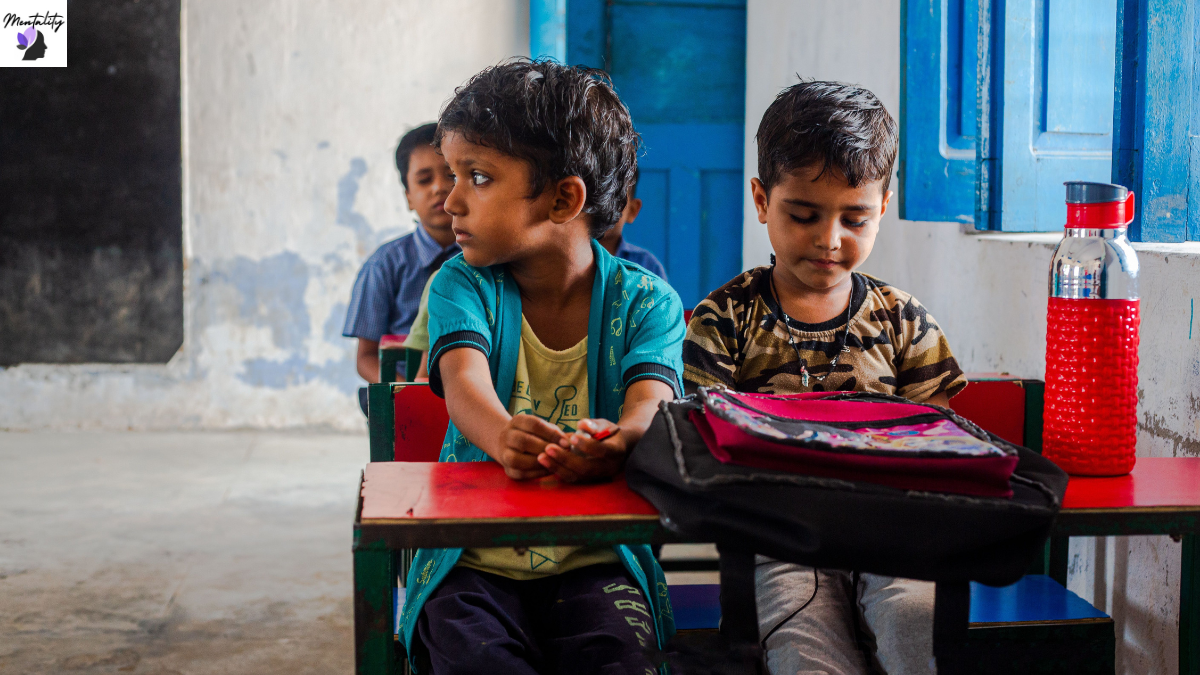
Such thoughts, said Dyutima Sharma, a Bhopal-based clinical psychologist, slowly chips away at the sense of stability people need to feel safe. “Climate change creates a background of chronic stress that often goes unnoticed because it has become part of everyday life,” she said.
Sixteen-year-old Kartikey Singh Sikarwar, a student from Gwalior, says rising temperatures and unpredictable weather have made him think beyond his own daily routine. “My concern isn’t just about myself,” he says. “I worry about humanity as a whole. If things continue like this, what kind of world will future generations inherit? I hope my own children will be able to live in a healthy environment someday.”
Among the young adults Sharma counsels, these anxieties are increasingly influencing deeply personal life choices. “A lot of young adults are choosing to remain child-free because they don’t want to bring children into a world marked by natural disasters, polluted environments, and synthetic food,” she said.
The problem is that young people see the paradoxes of the existing world very clearly, said Dr Sumit Roy, a Bhopal-based psychologist. “The gap between what people preach and what they practise causes them great distress. They are facing a true existential crisis because they are watching the destruction of the very planet they are expected to inherit.”
Everyone’s responsibility
Children shouldn’t grow up believing that the future is already lost, said Anuja Bali, a mother of a 17-year-old and the co-founder of Warrior Moms, a group campaigning for the protection of child rights against climate change. “When schools, families, and communities involve children in caring for nature–whether it’s planting trees, protecting local biodiversity or simply spending more time outdoors–they begin to see themselves as part of the solution rather than helpless spectators,” she said. “Hope grows when children realise they can contribute, not just worry.”
Sharma said families, schools, and communities all have a responsibility to model sustainable behaviour. “When children see adults making everyday choices such as reducing waste, avoiding fast fashion, practising minimalism, and caring for their surroundings they develop not only awareness but also hope.”
For many children like Baghel, this hope helps them imagine a better future. He puts on his skating shoes almost every evening hoping the weather will cool down sooner rather than later.

Author: Nidhi Sakre
Nidhi Sakre works at The Analysis, a climate advisory group based in Bhopal, Madhya Pradesh.

Author: Rishabh Shrivastava
Rishabh Shrivastava works at The Analysis, a climate advisory group based in Bhopal, Madhya Pradesh.