
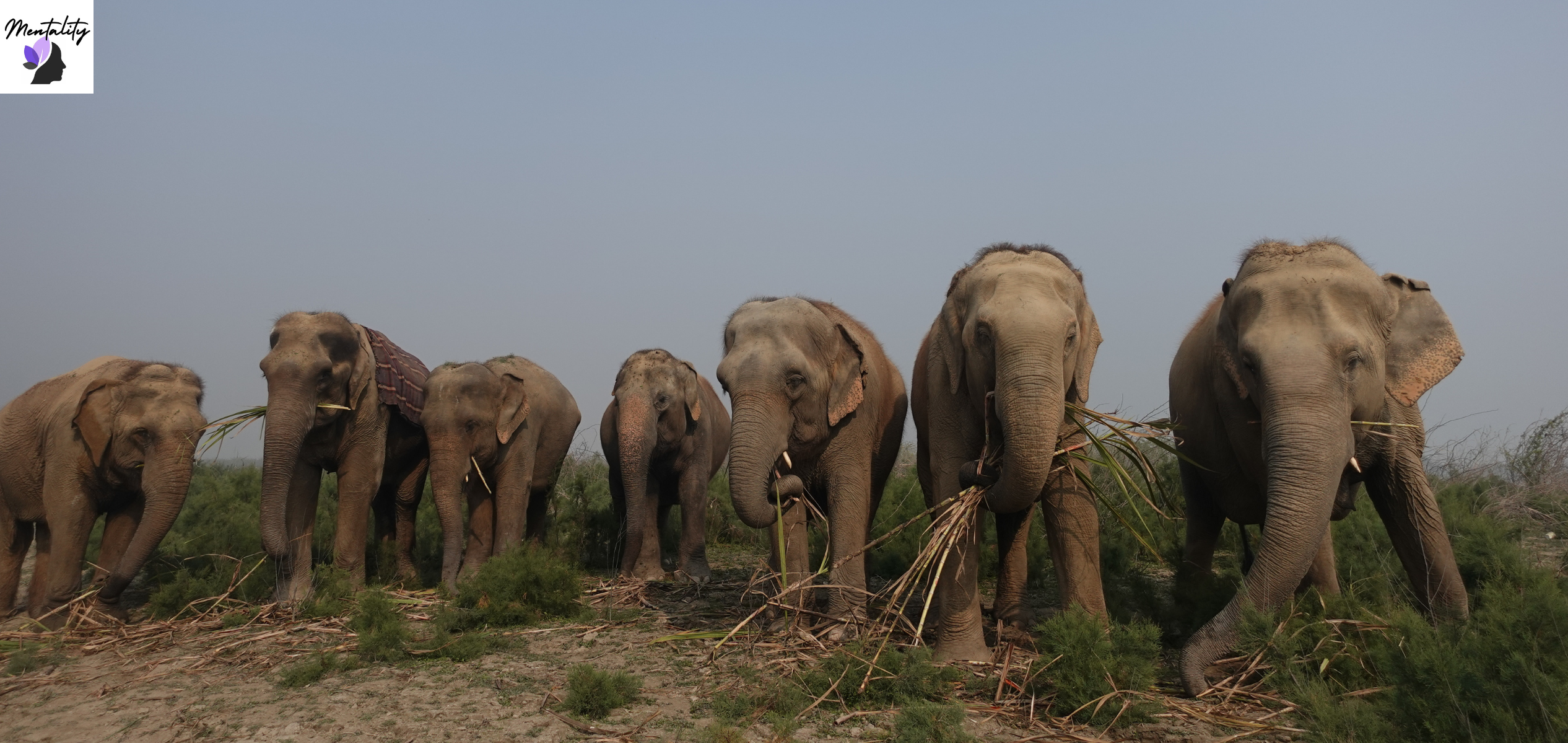
Rescued tuskers at Wildlife SOS out for their morning walk (Image Credit: Jigyasa Mishra)
By Jigyasa Mishra
Around 400 captive elephants in India suffer from chronic stress, abnormal behaviours, and very poor mental health due to lack of natural habitat.
About 50 kilometres northwest of Agra lie vast green meadows peppered with mounds of sand and a man-made lake. Maya, a 35-year-old blind elephant rescued in 2010 has made this her home now. She lives with Emma and Phoolkali, elephants rescued from the streets of cities in Uttar Pradesh. They have unhindered access to the fields and the water body and can survive under the skies as they please at the Elephant Conservation and Care Centre run by Wildlife SOS, an NGO.
All three elephants spent many years being decorated and ready to take tourists on a ride in Indian cities, especially those that draw a huge number of tourists and pilgrims. “Years of captivity don’t just scar the body of the animals, they profoundly affect the mind as well,” said M V Baiju Raj, Director, Conservation Projects, Wildlife SOS.
According to Think Wildlife, a non-governmental organisation, India has between 2,500 and 4,000 captive elephants, and 60% of them are found in Assam and Kerala. “More disturbingly, only 25% of captive elephants are in the custody of the Forest Department and zoos,” reads their newsletter. “The remainder are privately owned by individuals, religious institutions and circuses.”
For millions of years, animals have evolved and adapted physical and behavioural traits to the natural habitats they have inhabited. An African elephant evolves differently than an Asian one, for instance.
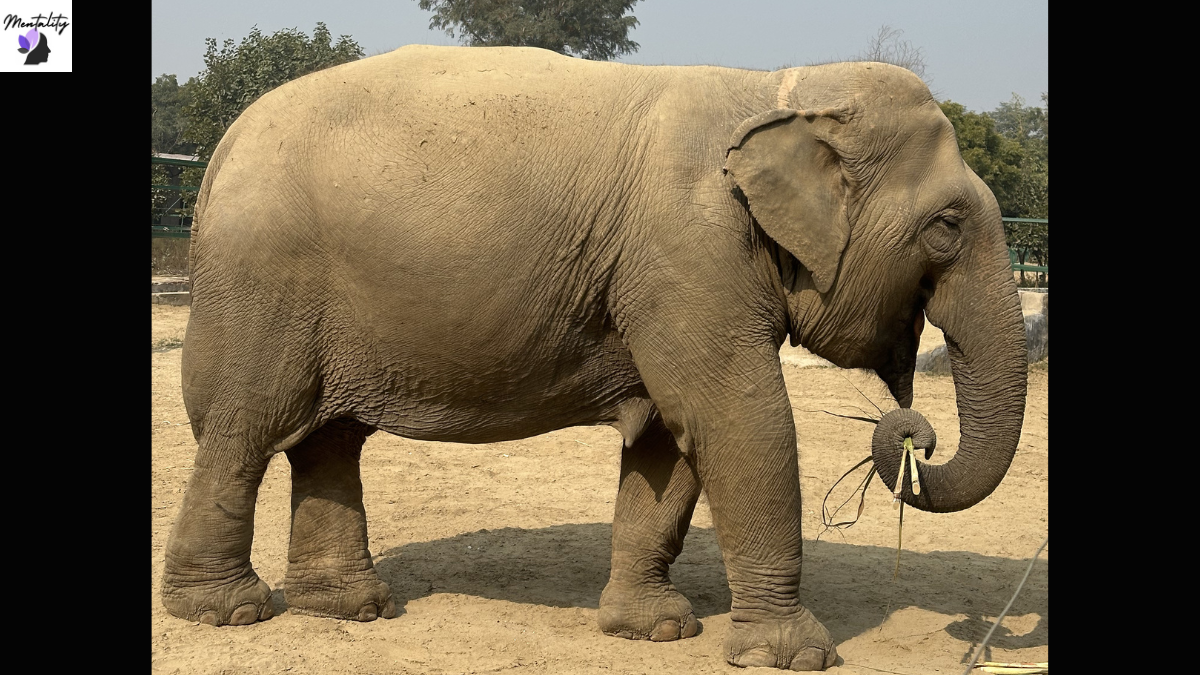
Hindering their natural habitats leads to a marked deterioration in the animals’ physical and mental health. “This may manifest in the development of physical disease or abnormal behaviour,” according to Born Free, an NGO co-founded by animal advocate Bill Travers, who called it ‘zoochosis’.
“Abnormal behaviour in captive animals can include stereotypic behaviours – highly repetitive, invariant, functionless behaviour, such as repetitive pacing, swaying, head-bobbing, bar-biting, over-grooming or excessive licking. These behaviours result from “the frustration of natural behaviour patterns, impaired brain function, or repeated attempts to deal with some problem,” reads their website.
Captivity leads to chronic stress, abnormal behaviours, and very poor mental health due to lack of natural habitat, said Sarthak Vishwakarma, Veterinary Officer, based in Narsinghpur district of Madhya Pradesh.
While studies have been conducted on the physiological stressors of captive elephants in India, there are no comprehensive mental health studies. But the 2019 study by scientists at CSIR-Centre for Cellular and Molecular Biology showed that elephants from the Mysore Dussehra camp that had to perform at religious ceremonies had a higher amount of stress hormones than others, causing infertility, hyperglycemia, suppression of immune response, imperfect wound healing, and neuronal cell death.
Rescuing elephants from streets
In 2014, Raju, a tusker in his 50s, was rescued from Allahabad (now Prayagraj) by Wildlife SOS. “When we got him, Raju’s legs had heavy, spiked chains that were tightly clamped and dug into his skin, putting him under constant pain and discomfort,” said Kartick Satyanarayan, founder, Wildlife SOS.
The chains resulted in severe blisters on his legs, multiple scars, and chronic abscesses across his body as well as a chronic abscess on the left hip. “Can we even begin to imagine the trauma of five decades of abuse, cruelty, and neglect?” said Satyanarayan.
“Elephants are highly social animals that experience emotions such as love, jealousy, pain, and anger,” said Dr AM Pawde, Principal Scientist & In-charge, Centre for Wildlife, ICAR-Indian Veterinary Research Institute, Bareilly. Prolonged stress and suffering can severely affect their mental state, sometimes leading to sudden, unpredictable behaviour, he said. “There have been cases where captive elephants, long accustomed to obeying their mahouts, carrying loads, and performing tasks, have turned aggressive and even killed humans after reaching a breaking point.”
From a behavioural science perspective, the most striking indicators are chronic fear, deep insecurity, and severe stereotypic behaviours such as head bobbing, repetitive swaying, pacing, or weaving, said Selvaraj Ilayaraja, Deputy Director, Veterinary Services at the ELephant Conservation Centre. “These are not random movements. They are coping mechanisms that develop in response to prolonged stress and a lack of control over one’s environment,” he added.
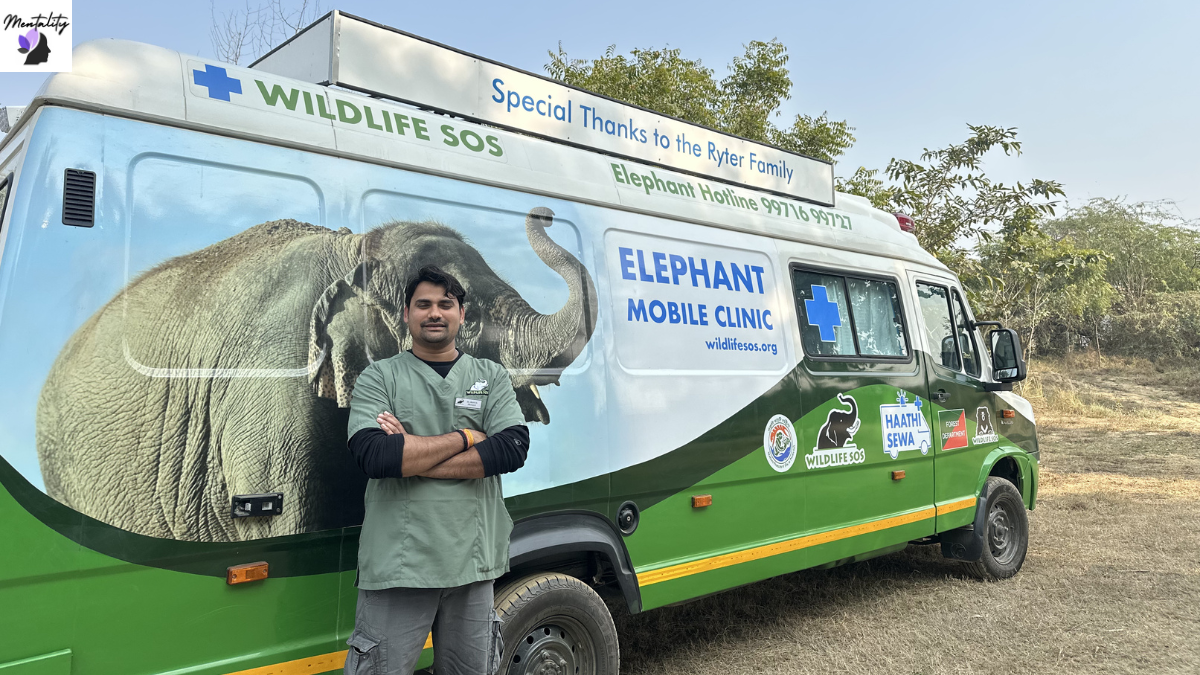
Rahul Prasad, an Agra-based veterinary officer, said Raju had been passed on from mahout to mahout. That means he underwent different types of abuse, brutal training, disciplining, and breaking down of his spirit to a point that he became a docile, quiet, and scared elephant, he said.
Captive elephants are often fed whatever is available for free, such as chips, biscuits, chocolates, and other leftovers given by villagers after performances, several veterinary doctors admitted.
Endangered elephants
Elephants are considered sacred by many Hindu groups. Therefore, a lot of temples,especially in South India, have a chained elephant greeting and blessing the visitors.
However, resorts, beach side properties, and famous tourist sites all have captive elephants that promise rides to visitors. Technically, these are illegal under the Prevention of Cruelty to Animals Act of 1960 and the Performing Animals Registration Rules of 2001, unless permission is obtained by the Animal Welfare Board of India.
For a private entity or individual to “own” an elephant, they need an ownership certificate from authorised personnel, most likely the Chief Wildlife Warden, who serves as the head of the wildlife wing in the state forest department.
This is because the Indian Elephant is protected under Schedule 1 of the Wildlife Protection Act of 1972. This affords elephants like Raju, Maya, Emma, and Phoolkali maximum protection under the law. The Red List of Threatened Species of the International Union for Conservation of Nature lists the animal as “endangered.”
Path to recovery
A former mahout, who requested anonymity, said he beat his elephant or poked him with sharp objects to make the animal perform. “I didn’t know any other way to make ends meet. I was doing everything I could to tame the giant and keep both him and myself alive,” he said.
Once his elephant was rescued in 2008, things changed. “I was told it was illegal and how much suffering it had caused an innocent animal,” he said. Today, he works for the welfare of the animals.
Some mahouts understand the plight of the elephants and try to mitigate the stress and pressure created on the animals. Media reports on “rejuvenation camp” for elephants where they are pampered and cared for by their caretakers can be spotted from time to time.
“Healing for animals is not about forgetting trauma; it is about slowly learning that their world is no longer a place of constant threat and pain,” said Dr Pawde. For caregivers, it comes with confronting deep guilt, but also the possibility of a second chance, of choosing compassion over cruelty, he said. “In both cases, healing is not erasure, but it is being able to live without repeating the past,” he added.
Almost all the elephants who arrive at the Elephant Conservation and Care Centre are in such distressed mental states that it takes them a long time to relearn how to be wild again, said Geeta Seshamani, co-founder and Secretary, Wildlife SOS.
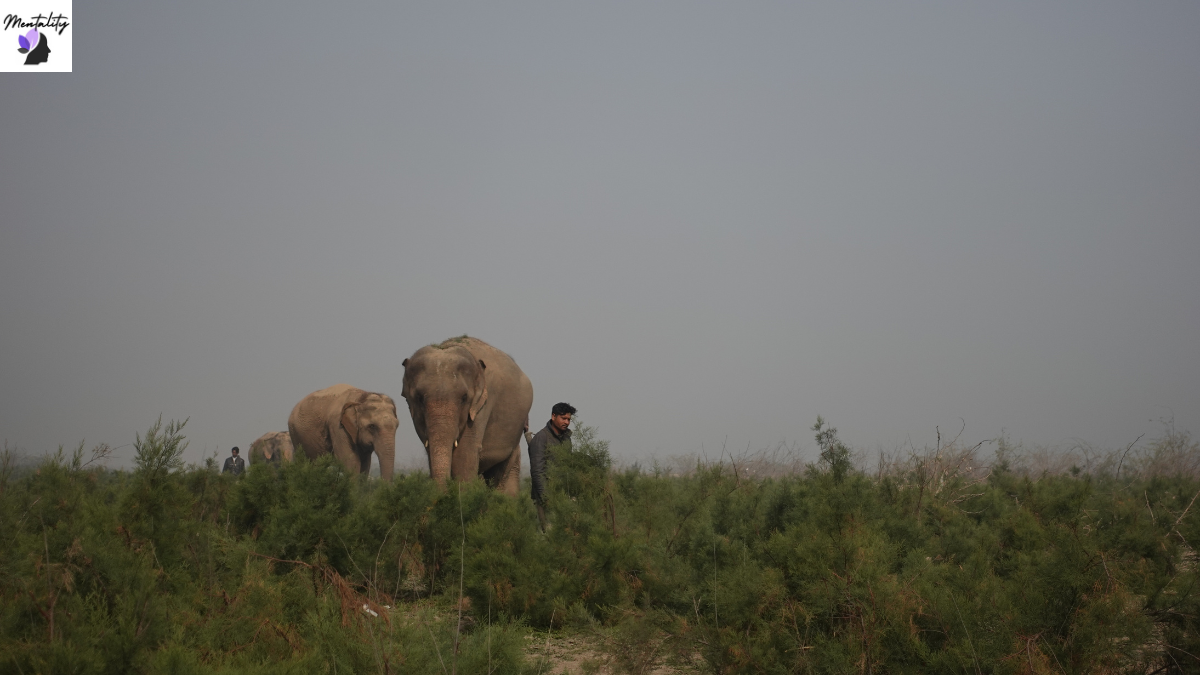
Raju and Maya go for walks in the jungle, supervised by their caretakers, every day after breakfast. The supervisors carry a pocket full of peanuts, sugarcane sticks, and jaggery balls to lead them back, keeping them from being distracted and following the path.

Author: Jigyasa Mishra
Jigyasa Mishra is an independent journalist and visual artist who reports on gender, health, culture, and human rights from across India.