
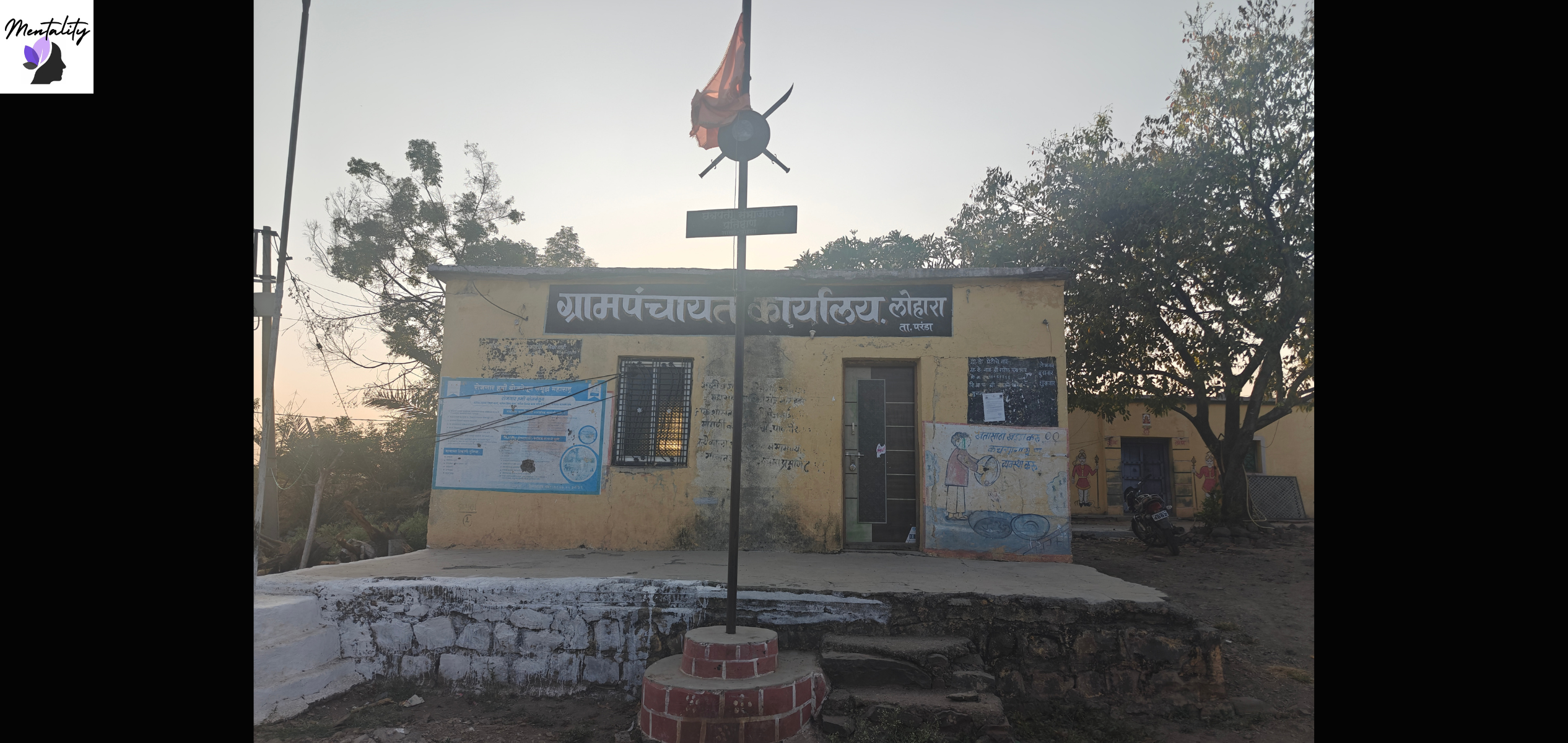
Lohara Gram Panchayat (Image Credit: Varsha Torgalkar)
By Varsha Torgalkar
Hospitals in Marathwada district have seen about 15% increase in patients seeking counselling since the September 2025 floods washed out standing crops, cattle and their homes. The region also saw a significant rise in attempted suicides and alcohol abuse.
38-year-old Sachin Kamble cannot sleep unless he drinks alcohol, he said. His family forces him to eat at least one meal a day. “My head is always heavy with negative thoughts,” he said.
Kamble grows sugarcane in three acres of land in Shelgoan village in Dharashiv district, approximately 150 kilometers east of Pune.
In September 2025, he lost his standing crop to erratic and heavy rainfall that stunned a drought-prone Marathwada region. The region’s rivers overflowed and the flood gates of major dams like the Manjara Dam were thrown open as they were all filled to maximum capacity. Major cities like Dharashiv, Nanded, Beed, Jalna, and Latur were affected. The Army and the State Reserve Police Force were called in for rescue operations.
Farmers in the region were familiar with dry, drought-like conditions. They had spent decades trying to adapt their farming processes to parched conditions. Some farmers had diversified into animal husbandry; some had invested heavily in specific fertilisers and some, like Kamble, had invested in irrigation facilities. He had recently spent Rs 35,000 on a motor to pump water from nearby river Sina, to irrigate his crops.
However, the unexpected floods pushed local farmers to re-think their priorities quickly. Many have not managed to do so. Moreover, farmers say they don’t know what climatic conditions to prepare for anymore.
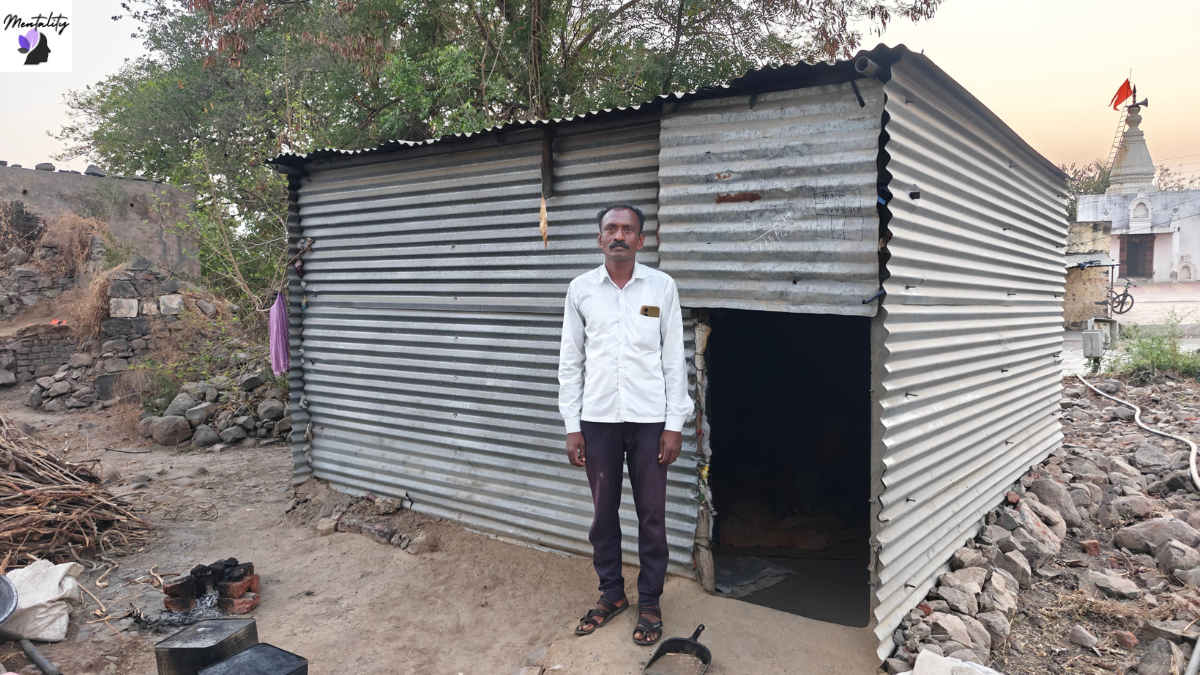
Kamble is now Rs 4 lakh in debt and is paying a whopping interest of about 24% per annum to local money lenders. He constantly borrows from others to repay his original debtors. “This is a never-ending cycle,” he said.
Over decades, drought and inadequate government policies have already indebted farmers, said Manik Kadam, a farmer and member of Swabhimani Shetkari Sanghatna, a farmer’s union. “That had led to daily suicides of farmers.” But, the floods pushed them further to the brink.
According to the official data, 1,129 farmers died by suicide in 2025 in Marathwada, which is the highest in the past five years.
These figures scare Kamble’s sister, Rupali Kamble. She often forbids him from going out of the house because, she said, he will drink liquor whenever he does.
Mental health impacts of flooding in a dry region
The District Hospital in Dharashiv has seen a 15–20% increase in patients seeking counselling since the floods in September 2025. “Adults are resorting to alcohol, tobacco, and gambling,” said Dr Suhas Shinde, head of District Mental Health Program, Dharashiv. “The youth are addicted to mobile screens, ganja, whitener, and gutkha.”
The numbers could be higher as mental health treatment is considered a taboo, said Dr Shinde. In addition, patients often seek treatment from private facilities in nearby districts.
Kamble sought treatment from a psychiatrist in nearby Barshi. He was prescribed some medicines, he said. But, as soon as he stepped out of the hospital, one of the money lenders phoned him. “The cycle of anxiety began,” he said. He paid Rs 500 to the doctor for one consultation.
The District Hospital has held camps to counsel anyone who might need it, said Dr Shinde.
However, the number of mental health professionals needed in regions like Marathwada are abysmally low, said Raj Mariwala, Director, Mariwala Health Initiative. “We need community mental health professionals, social workers, and community psychiatrists in rural areas,” Mariwala added.
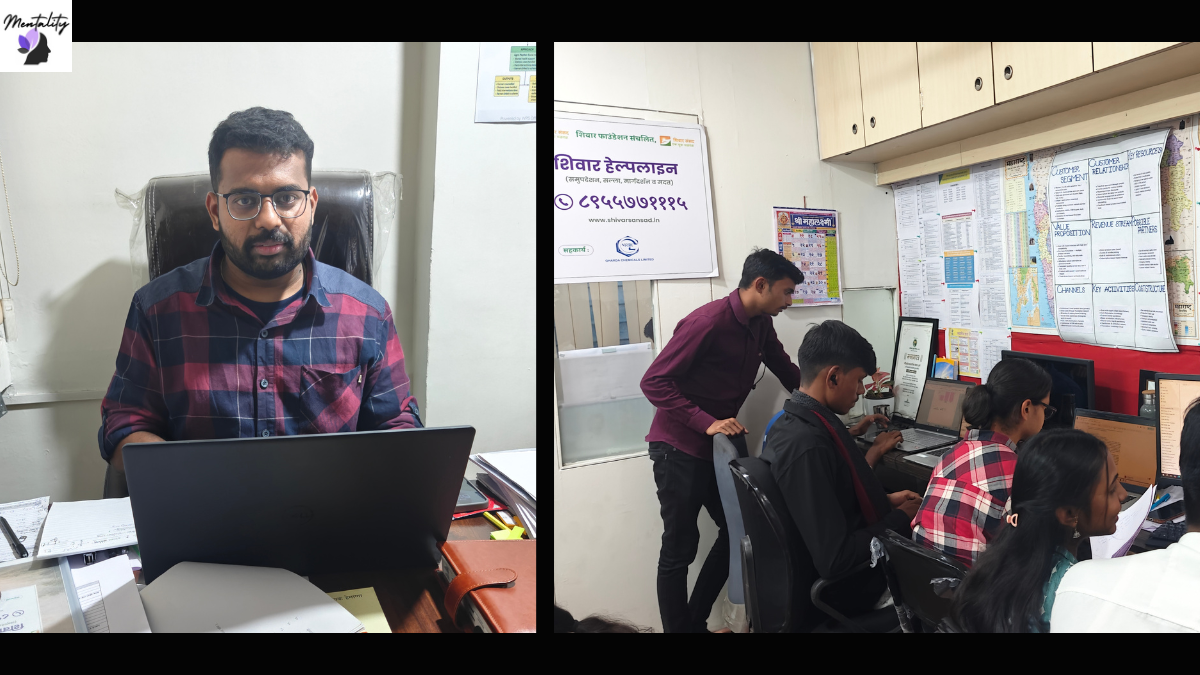
A private Pune-based mental health helpline, Shivar, received over 24,000 calls from farmers since the floods in September, said Dr Vinayak Hegana, the founder. “Farmers who are extremely distressed generally say that they have no option but to end their lives,” he added.
Women in Marathwada
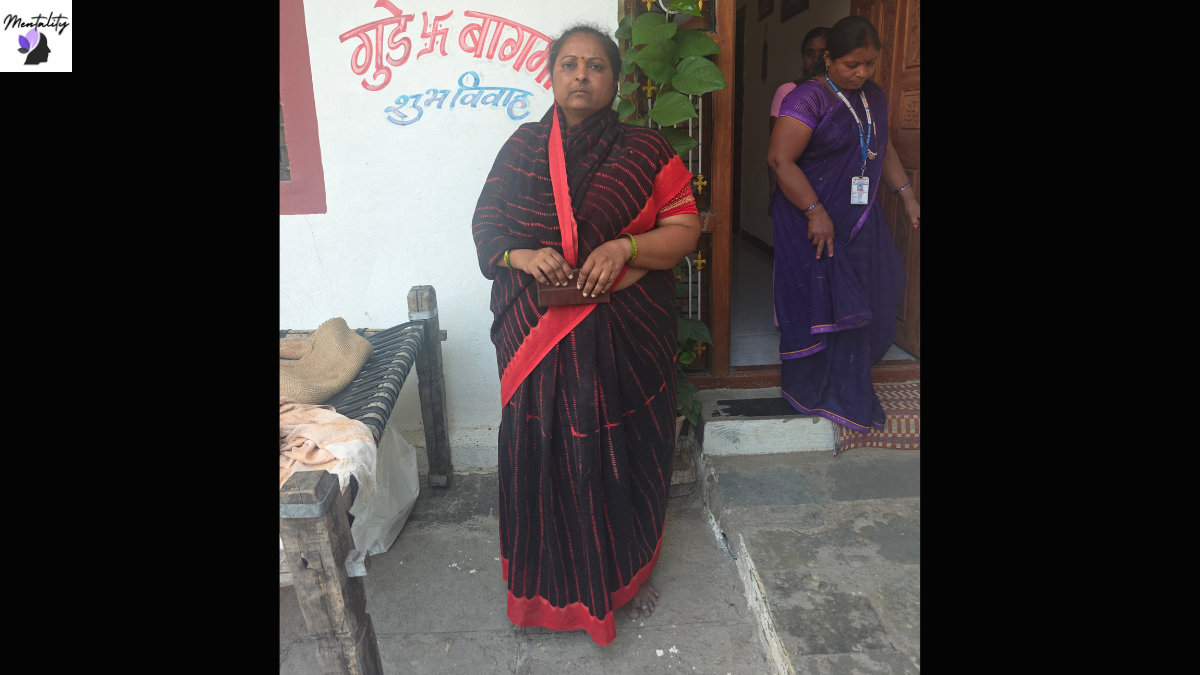
Madhuri Gude, a 38-year-old farmer from Awar Pimpri, a village in Dharashiv, said she gained 20 kilos in the last six months. She blamed it on the pills she takes to sleep better. “I cannot walk properly,” she said.
Her husband and two sons worked on three acres of land to grow soyabean and sugarcane. But the floods not only washed away their crops but also their buffalo, which was earning them extra income.
Many women said that they had never seen such rain in their lifetime. Women don’t seek treatment for their stress, anxiety or depression because they feel it would eventually go away just as it had crept into their lives, said Gude.
When women call Shivar, many mostly ask what they can do to reduce anxiety of their fathers or brothers, said Dr Hegana.
Women in Kamble’s home have a similar worry. Kamble’s sister, Rupali, fights with him often about alcohol abuse.
Kamble said all he wants is to give his 18-year-old daughter and 20-year-old son a good future. But, he said, the distress in his home is palpable, with more and more fighting at home due to financial distress. Drought or floods, Kamble said, only tackling crop losses will ensure a long-term solution to the problem.

Author: Varsha Torgalkar
Varsha Torgalkar is Pune based freelance journalist. She covers rural economy, public health, environment, climate change and travel.