
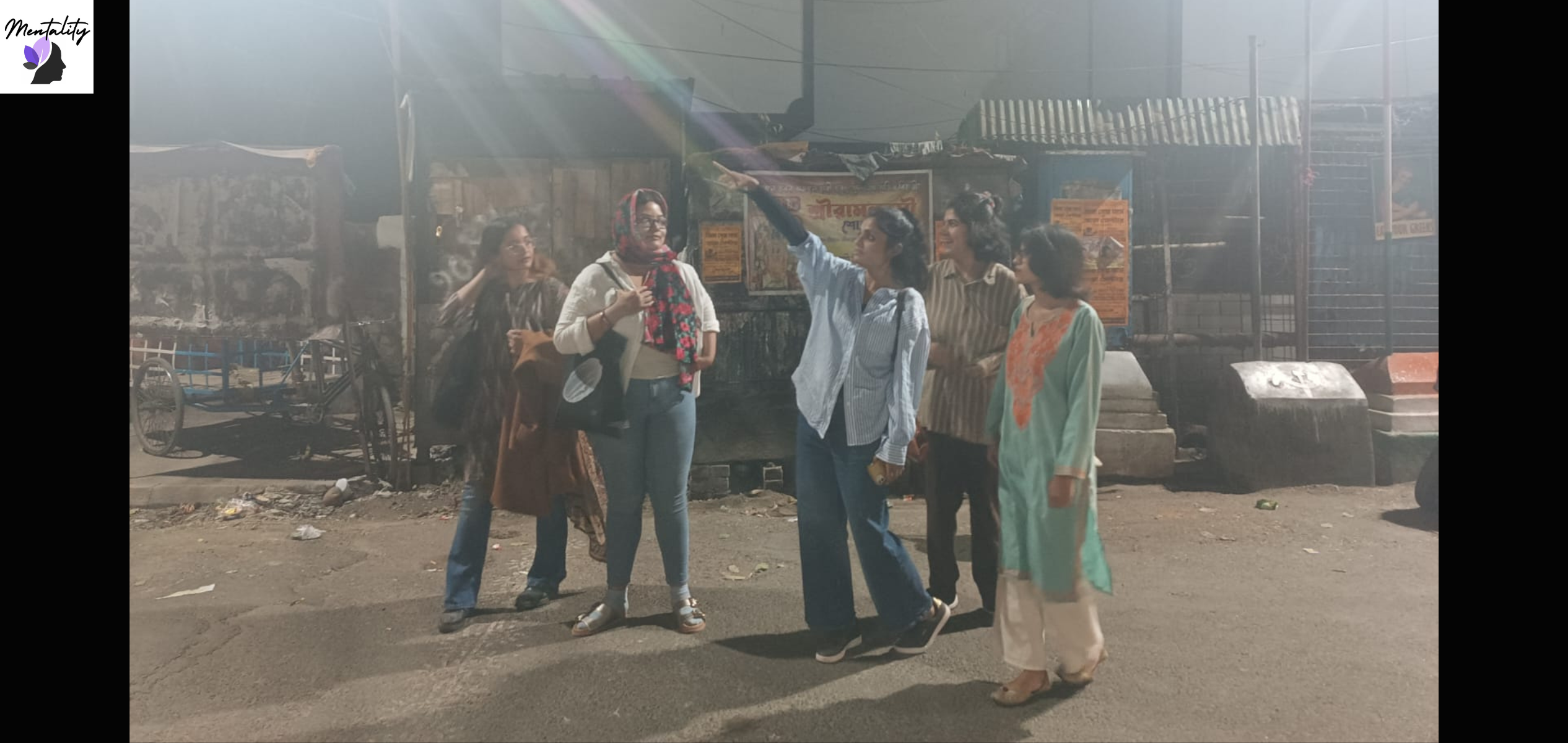
By Sarbajaya Bhattacharya
Kolkata went from being perceived as one of the safest Indian cities to one of the most unsafe after a high-profile rape case in August 2024. Women who felt their streets were unsafe did something they said was like group therapy.
In 2006, then 13-year-old Shazia was walking home from school in her white uniform, when a political rally blocked the roads in the centre of the city. As she stood on the side of the road amidst the crowd, she said she felt someone’s hand under her skirt. “They pinched my buttock.”
Shazia, whose name change was requested to maintain her anonymity, is now 32 yearsold but the anger and frustration of being violated on the streets has stayed with her. “I have always heard Kolkata is ‘safe’, but that has not been my experience,” she said. In 2022, Kolkata reported the least number of rape cases among 19 cities in India. According to the latest available official figures from 2023 of the National Crime Records Bureau, Kolkata is the safest of Indian cities.
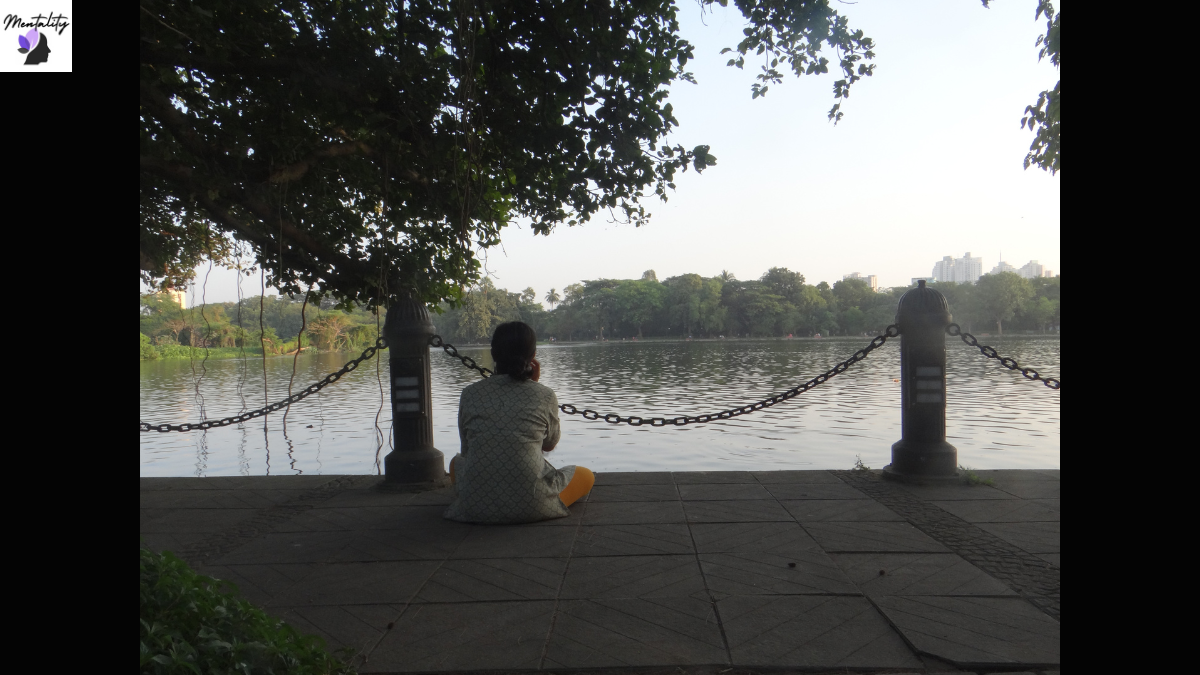
Public perception, though, changed after the horrific rape and murder of a post graduate medical student at RG Kar medical hospital in August 2024. Both national and regional TV channels broadcast small and big updates on the case ad nauseum, with news updates almost every hour for months on end. Shazia said that the idea of her city being extremely safe was shattered. In a 2025 report by the National Commission for Women, which surveyed women from 31 cities, Kolkata was ranked one of the most unsafe cities along with Patna and Faridabad.
Neelanjana Paul is a psychiatrist at Kolkata’s Peerless Hospital. After the R G Kar incident, she said she caught herself hesitating while going to the deserted car park after 10 pm. She had to convince herself that her fear was unfounded, as she had driven to and from work for 12 years now. “The excessive focus on the rape case in the media made a lot of my patients think only about the case,” she said, adding that this worsened their symptoms of anxiety and depression. “It affects sleep patterns, interpersonal relationships, dealing with strangers or passing by unfamiliar places,” she said.
Paramita Bhattacharyya, a counsellor at Bhalo Theko, a collective aiming to provide affordable mental health care in the city, said she noticed an increase in fear among women in the city. “Fear is a reaction to their experiences,” she said. Speaking of the constant news updates on the RG Kar case, she said the nervous system triggers the fight-or-flight response. “When this system constantly gets signals of danger, it thinks that the world is not a safe space.”
Sinjini Sarkar, 33, lives alone in Jadavpur, a South Kolkata neighbourhood. After the RG Kar rape case, she said she would get up multiple times in the middle of the night to ensure that her front door was locked. “I never did that before,” she said.
Walking to protest
Thousands of women took to the streets seeking a safer city and justice for the victim in August 2024. They began by walking through the cities at night, to normalise women’s presence on the streets after dark. This, they believed, would ensure their safety in public places.
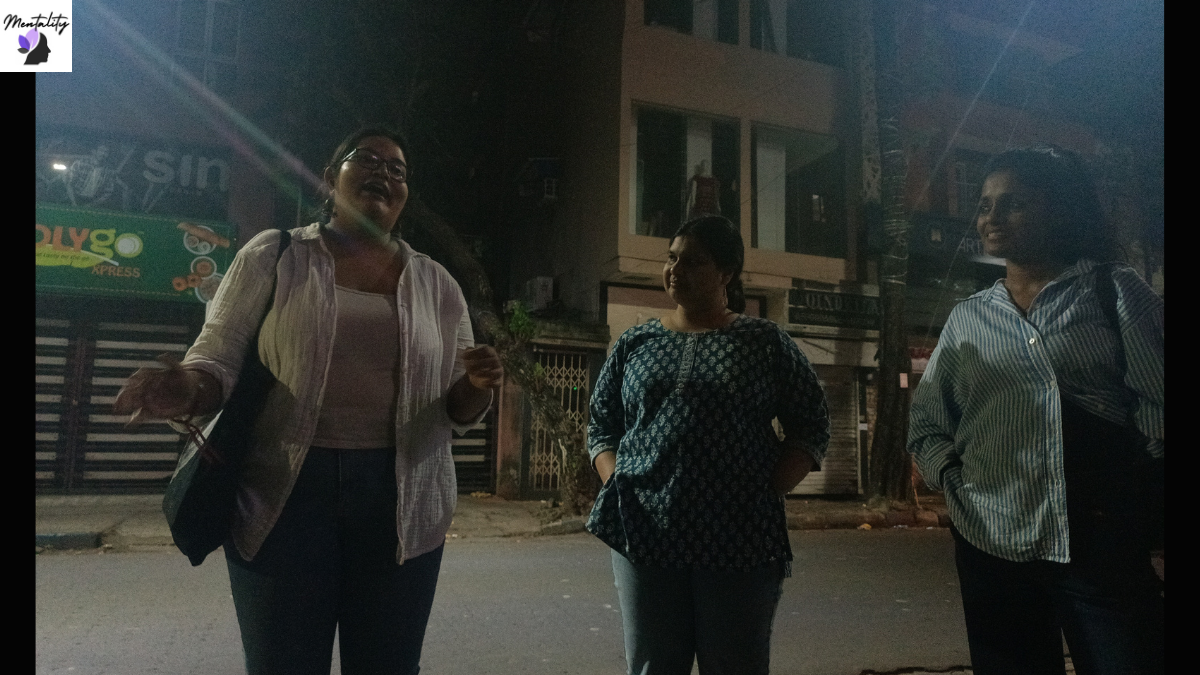
Satabdi Das, 41, a school teacher, called for such protests almost immediately after the rape case. “Many said only women who could book an Uber back home would come.”
But, women of all backgrounds walked, in large numbers, no less.
“Many came from families who had shamed them for their choice of clothes or asked them not to stay out late,” she said, but when they began walking entire families turned up to seek safer streets.
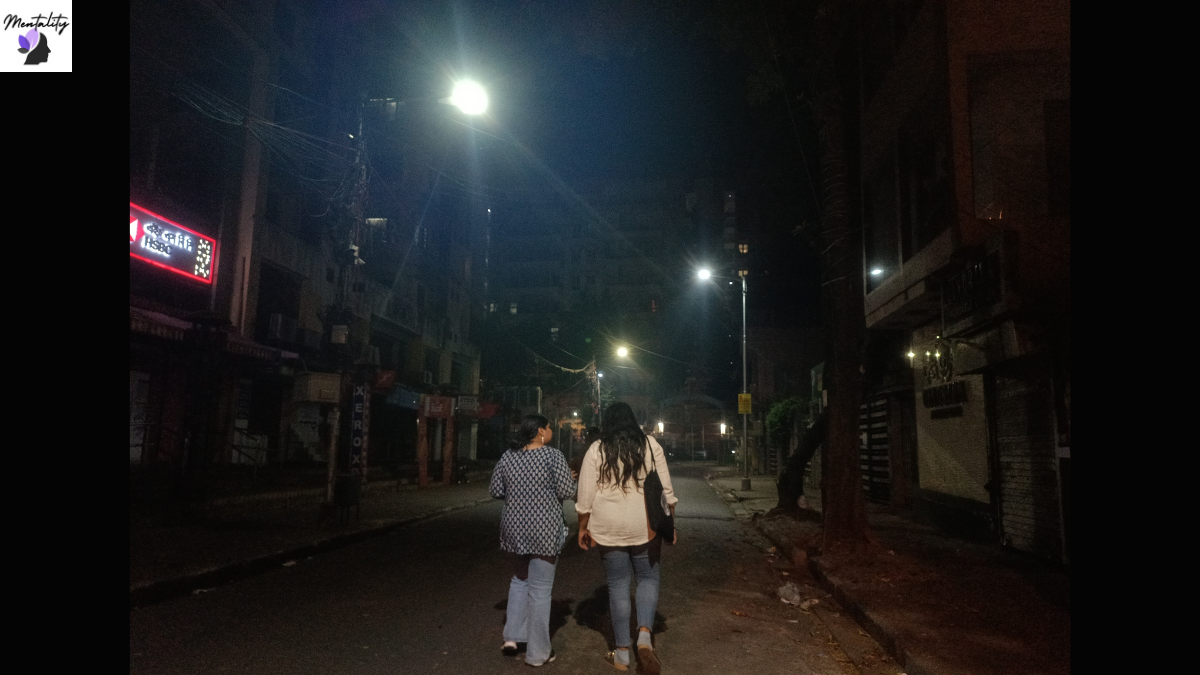
In many ways, Das said, the protest marches were like group therapy. “What the mind wants is a sense of safety and security,” said Bhattacharyya. “So, it avoids going out alone or doing things alone.”
Several women have continued to walk together regularly even now.
Srestha Chatterjee, 26, an urban researcher, organises walks around the city. She did—what she called—a social experiment in the crowded Kalighat in December 2024. One morning, while on a walk, Chatterjee wore a hoodie, pretending to be a boy and started fighting with another woman, pushing her around. There were men all around—some playing cards, others at the barber shop or playing music. Chatterjee said the men, including a police constable, simply watched the fight. “When we broke out of the act, one of them walked up to us, and said he wanted the fight to continue,” she said.
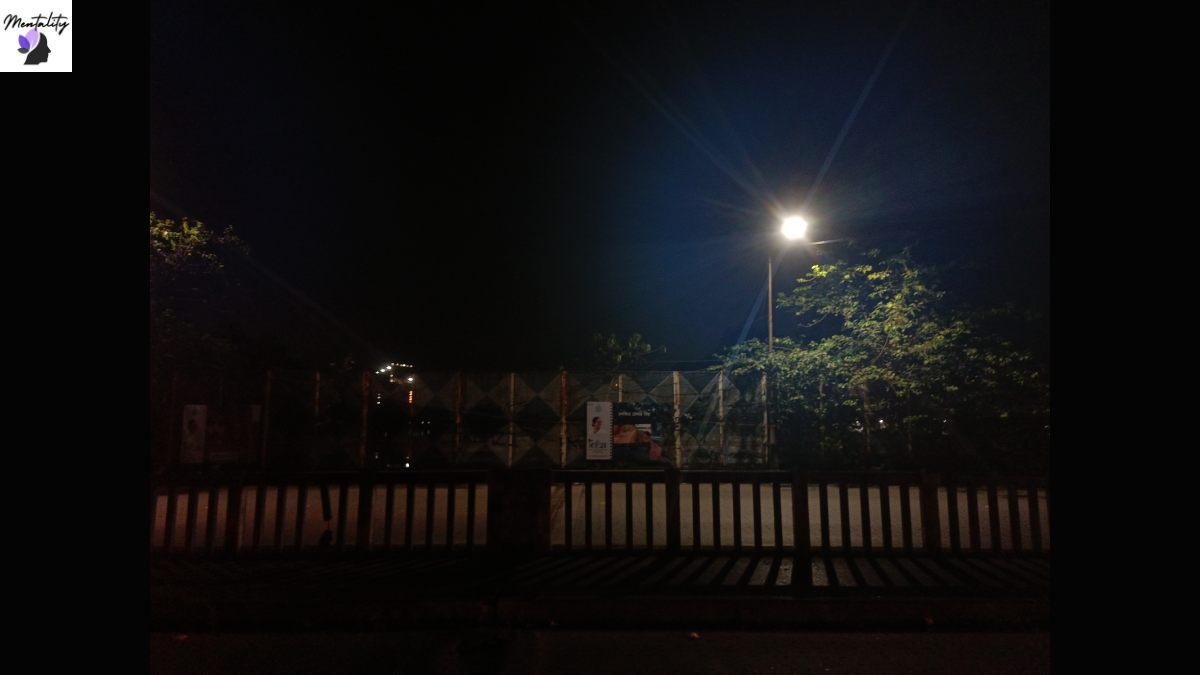
Violence in public spaces in which women are at the receiving end is seen as a personal problem, there’s no intervention, she said. That is what makes collective spaces like streets unsafe.
In order to change that, Chatterjee said, reimagining cities from a feminist urbanism lens will help. That means, changing the definitions of what a woman can ‘normally’ do on the streets.
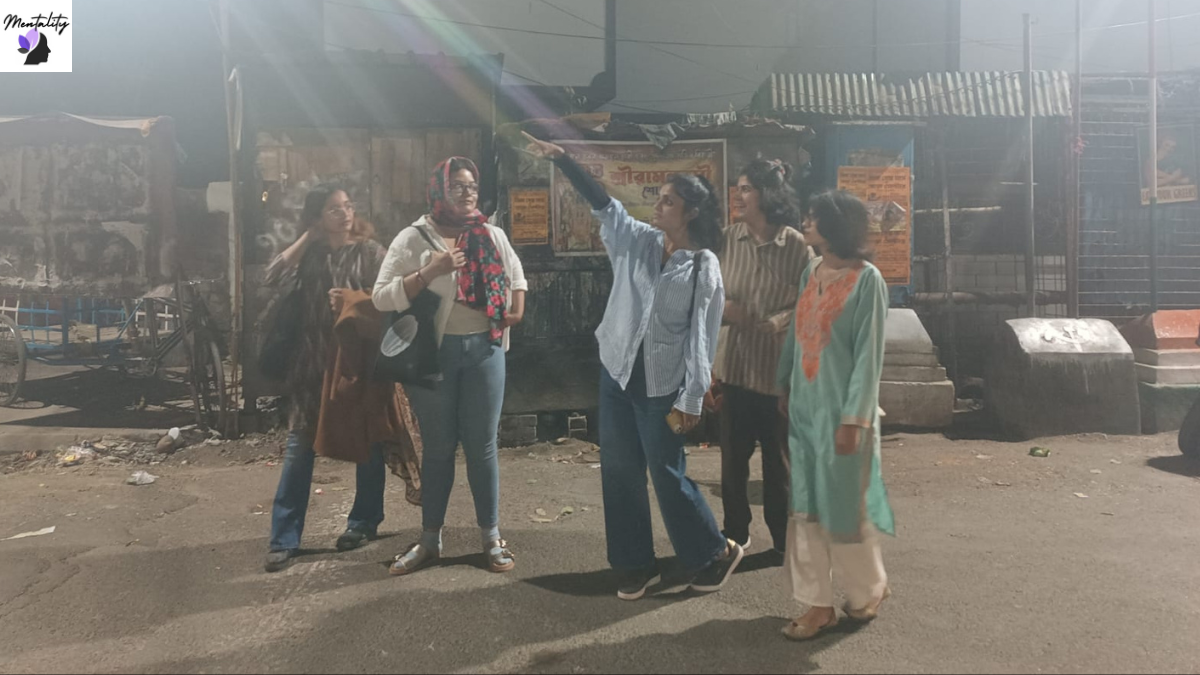
She added that walking together on the streets can be a very useful tool to do that. “Walking together increases the knowledge about a space. You might be comfortable somewhere that makes someone else anxious,” she said, thus it ‘normalises’ the streets for everyone walking on it.
A group called Women Walk at Midnight wants to reclaim the streets for women. With chapters in Delhi, Bangalore, Chandigarh, and Kolkata among others, it doesn’t offer a curated walk but is more free flowing.
Women come together to walk at night with no slogans or banners or placards, and with the sole aim of increasing the visibility of women in public spaces at night.
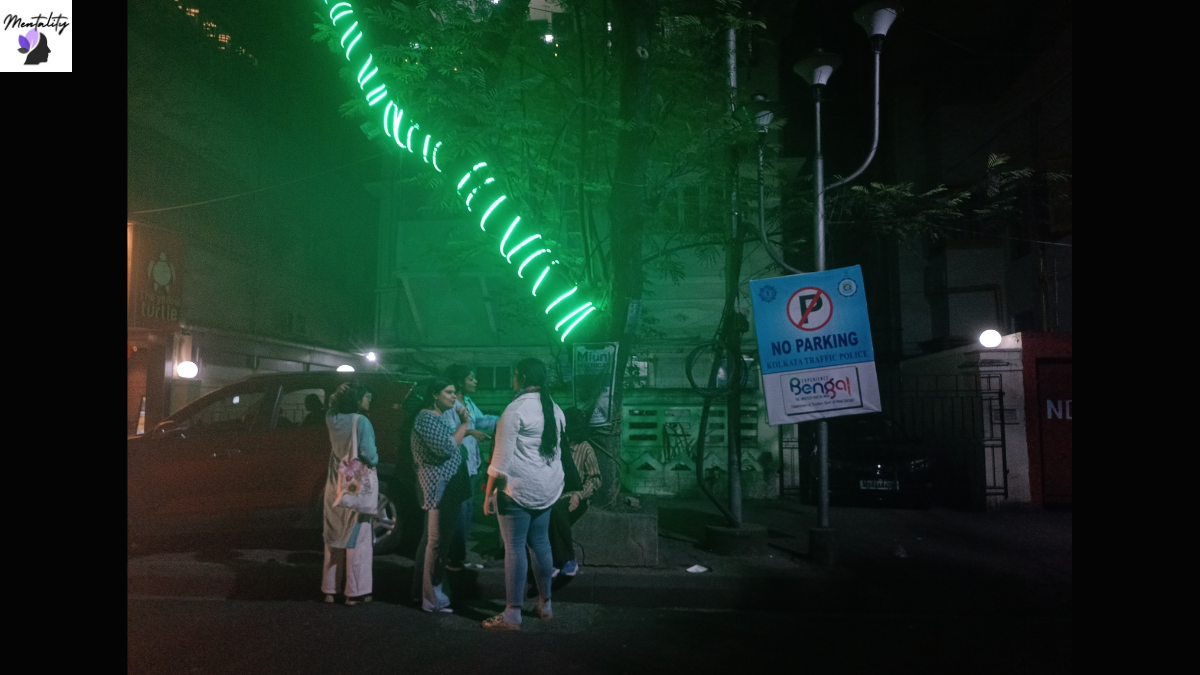
Diya Sen, 44, who works at a pharma company and is one of the organisers, said that she had been petrified during her first walk, but by the end of it, she felt more courageous thanks to the women around her.
In November 2025, Fiza Chawla, 29, a filmmaker from Chandigarh, who has been living in Kolkata for about three years led a walk around the Gariahat neighbourhood. During the walk, the participants shared their experiences of walking in the city, and stopped at a roadside stall for chai. Purva Sharma, was a first-time participant at that walk. “The fear that occupied my mind throughout the day was washed away,” the 30-year-old said.
In early 2025, Shazia was diagnosed with generalised anxiety disorder. Amongst other things, her therapist advised her to walk regularly. However, she said, the streets of Kolkata don’t seem safe to her.
Perhaps a group walk with other women is one fix.

Author: Sarbajaya Bhattacharya
Sarbajaya Bhattacharya is a senior editor at the People’s Archive of Rural India. She is also a reporter and translator and holds a Ph.D degree in English from Jadavpur University, Kolkata.