India’s first platform for high quality journalism on mental health
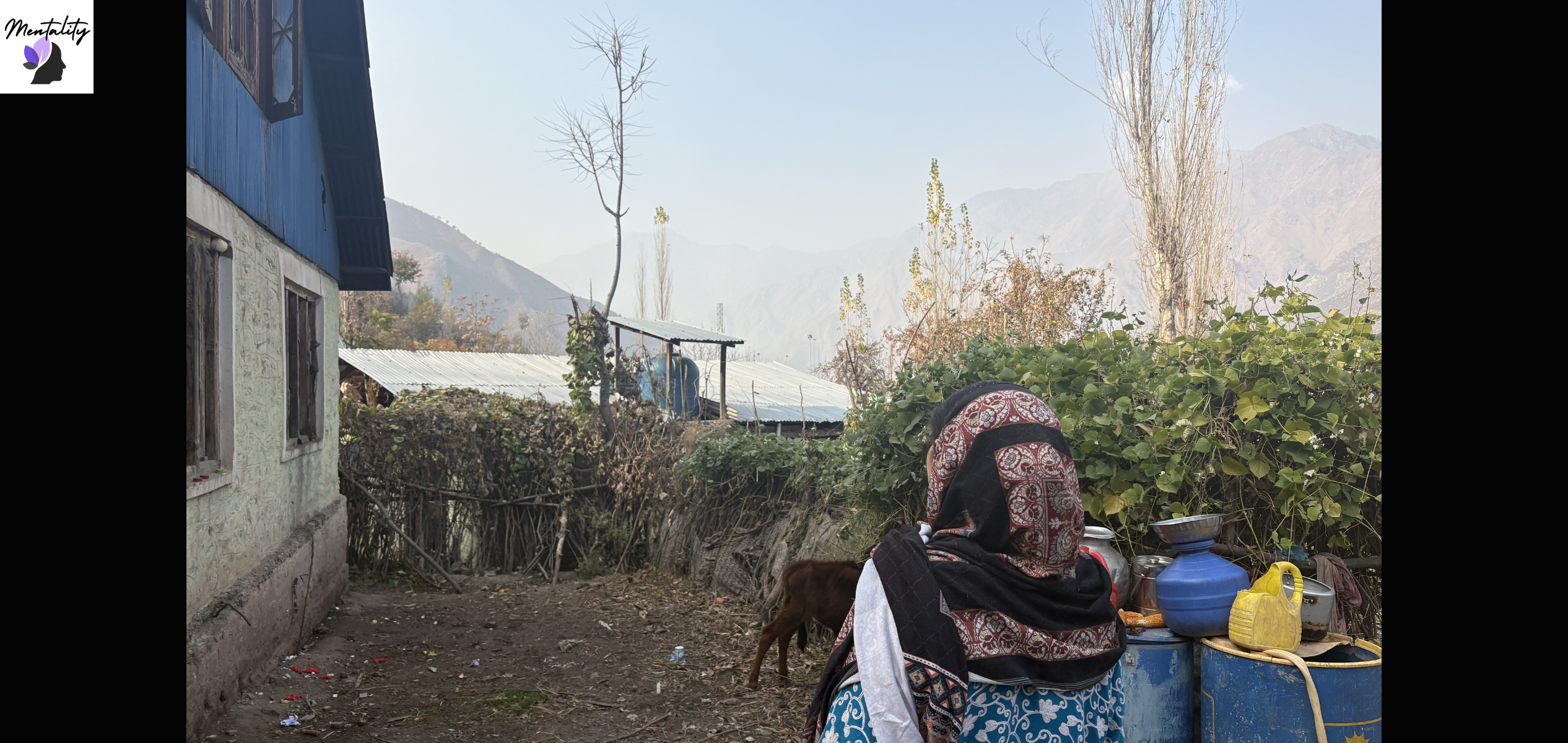
A year on, India-Pakistan violence has left the residents of villages along the LOC with trauma, fear, and no access to mental health care
Decades of living with cyclical conflict has built a fragile resilience in border areas of Jammu and Kashmir. But long-term living with the unpredictability of violence breaks people.

“I felt a strong wave of grief but not a single tear rolled down my eyes” how young Kashmiris process global conflicts
Constant exposure to global conflicts is turning a generation of Kashmiris, who have witnessed trauma and violence, numb.
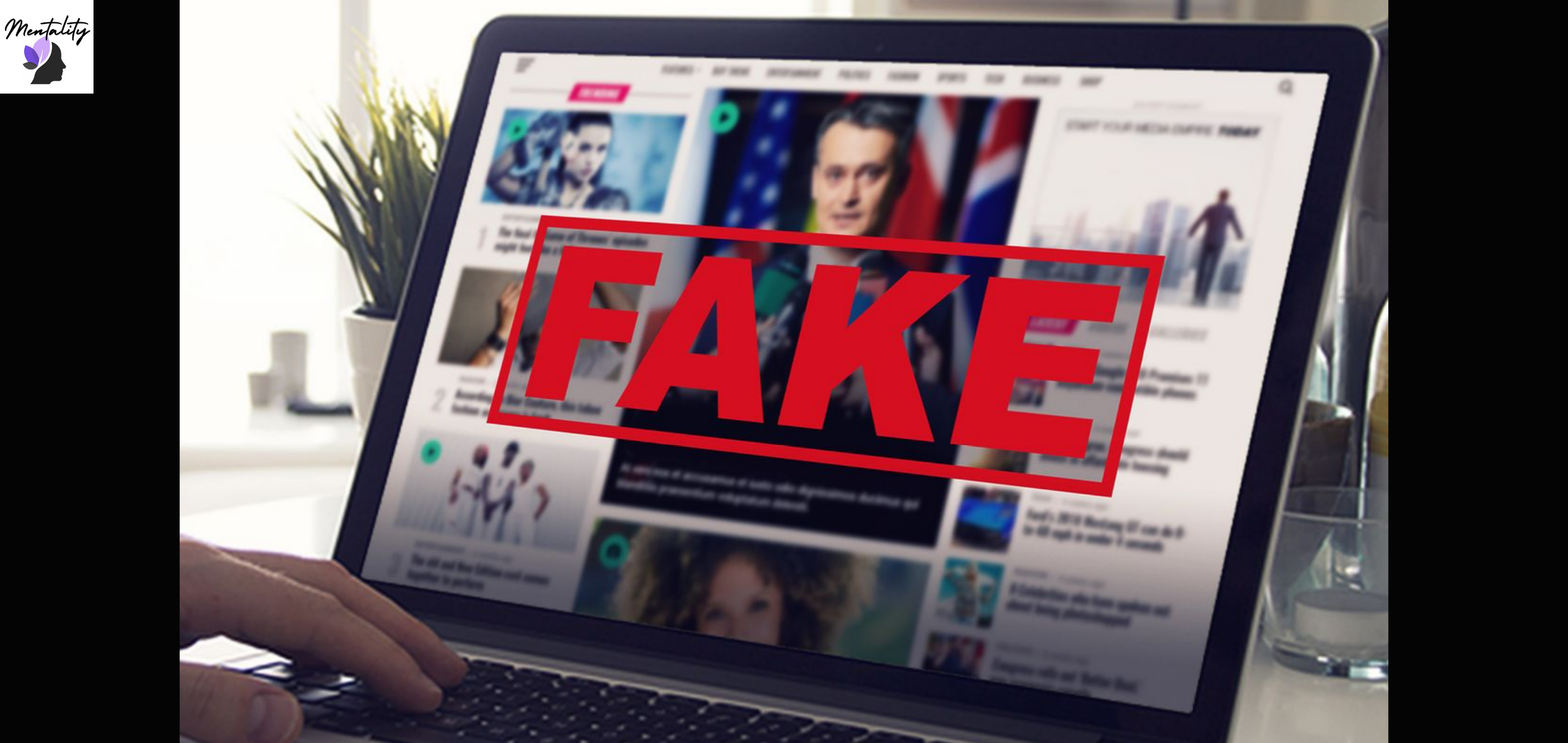
Bearing witness: a year since the Pahalgam attack, factcheckers and journalists talk about what it means to constantly battle fake information
Journalists are at a high risk of secondary traumatic stress, compassion fatigue, and burnout. Several journalists have directly or indirectly experienced a traumatic event through work; mental health concerns are an occupational hazard in journalism.

What a muscle-building obsession in many Madurai boys means
A preoccupation with a muscular and lean physique leads to several mental health problems, the worst of which is muscle dysmorphia. Many young men become body builders to sculpt an identity, but some go too far.
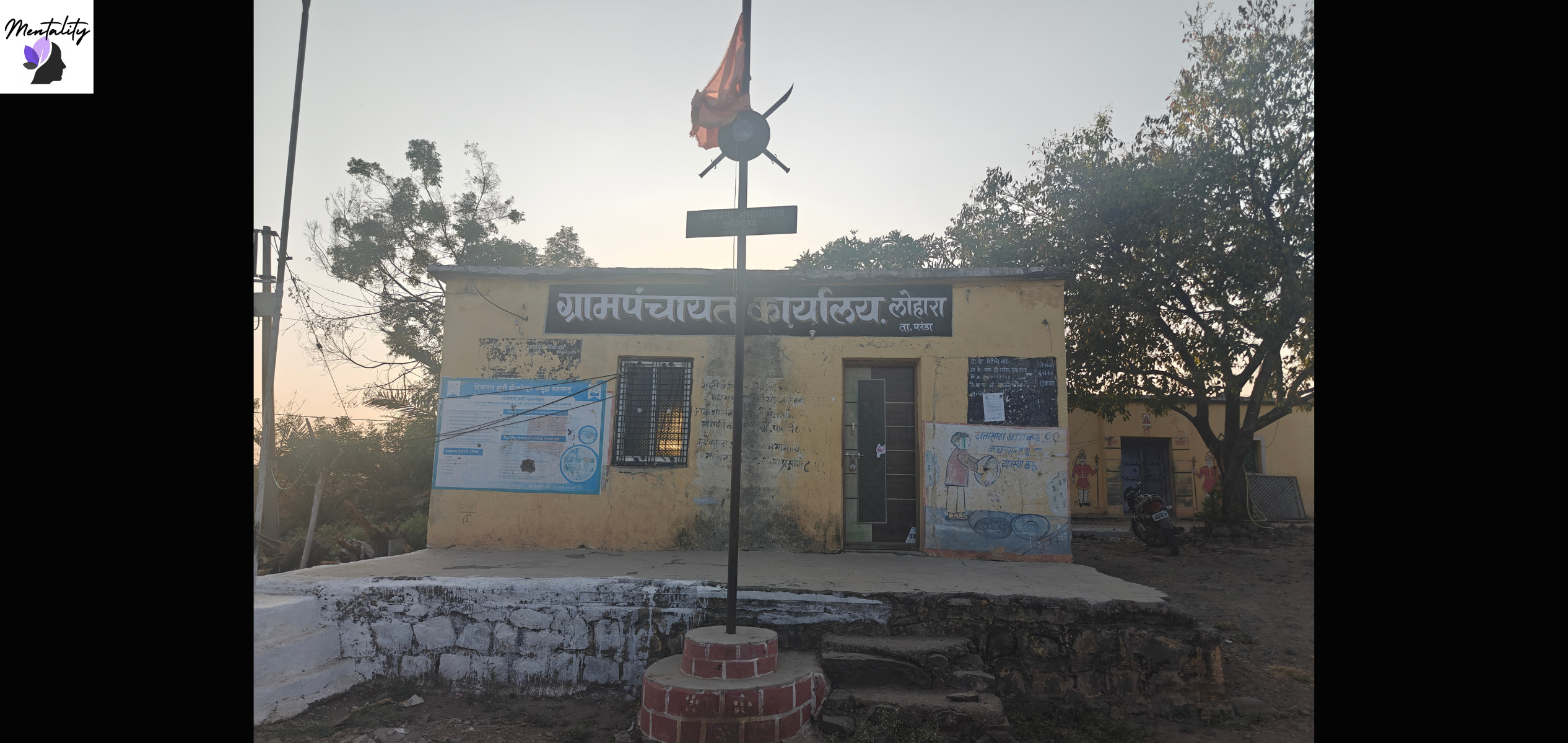
Sudden flooding in historically drought-prone Marathwada stunned farmers and pushed more towards suicides
Hospitals in Marathwada district have seen about 15% increase in patients seeking counselling since the September 2025 floods washed out standing crops, cattle and their homes. The region also saw a significant rise in attempted suicides and alcohol abuse.
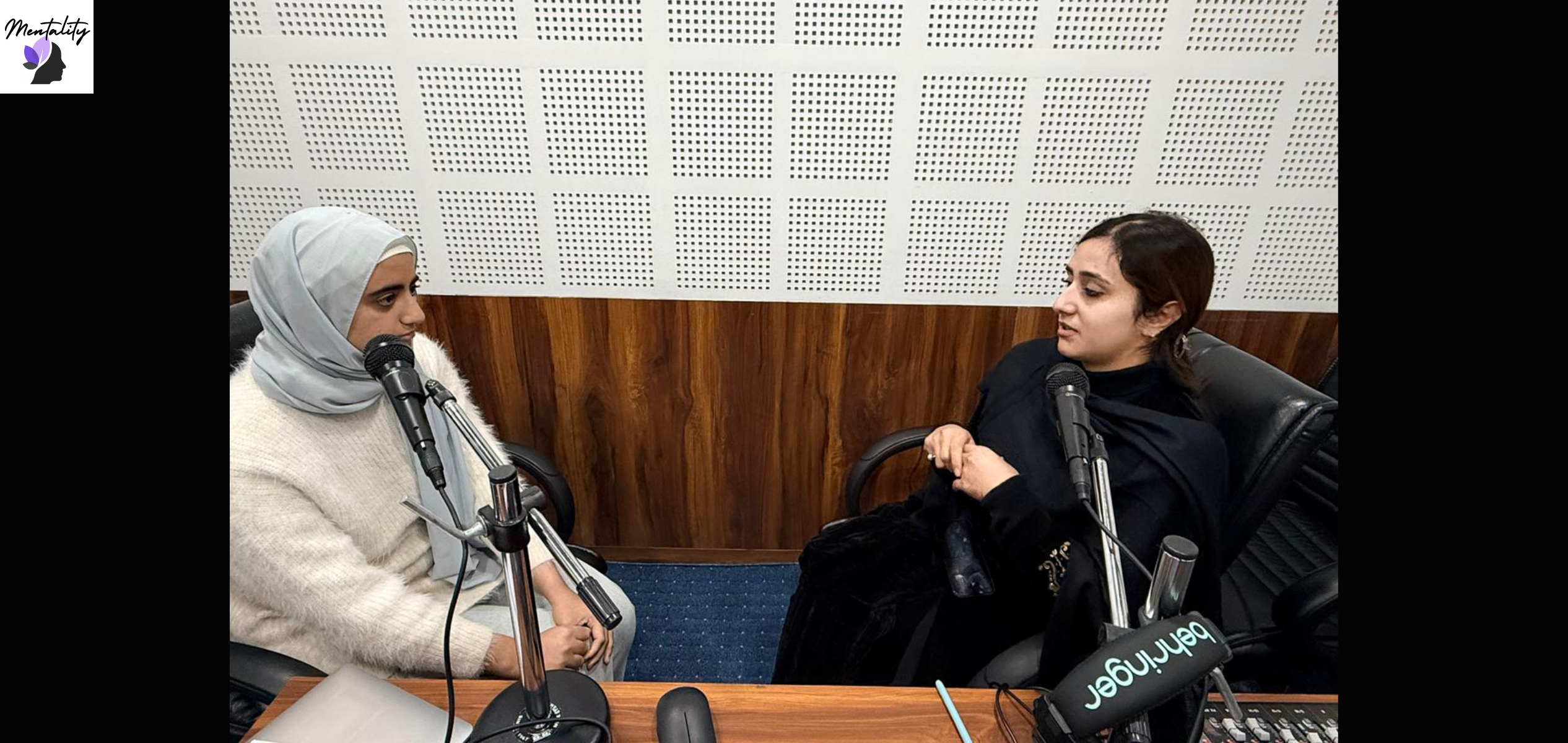
Kashmiri youth find it cathartic to talk on community radio, a perfect medium to voice shared struggles
Anxiety, stress, and frustration run high among Kashmiri youth because of alarmingly high rates of drug abuse and unemployment in the region. Community radio talk shows have become an unusual but effective medium to share their experiences and challenges.
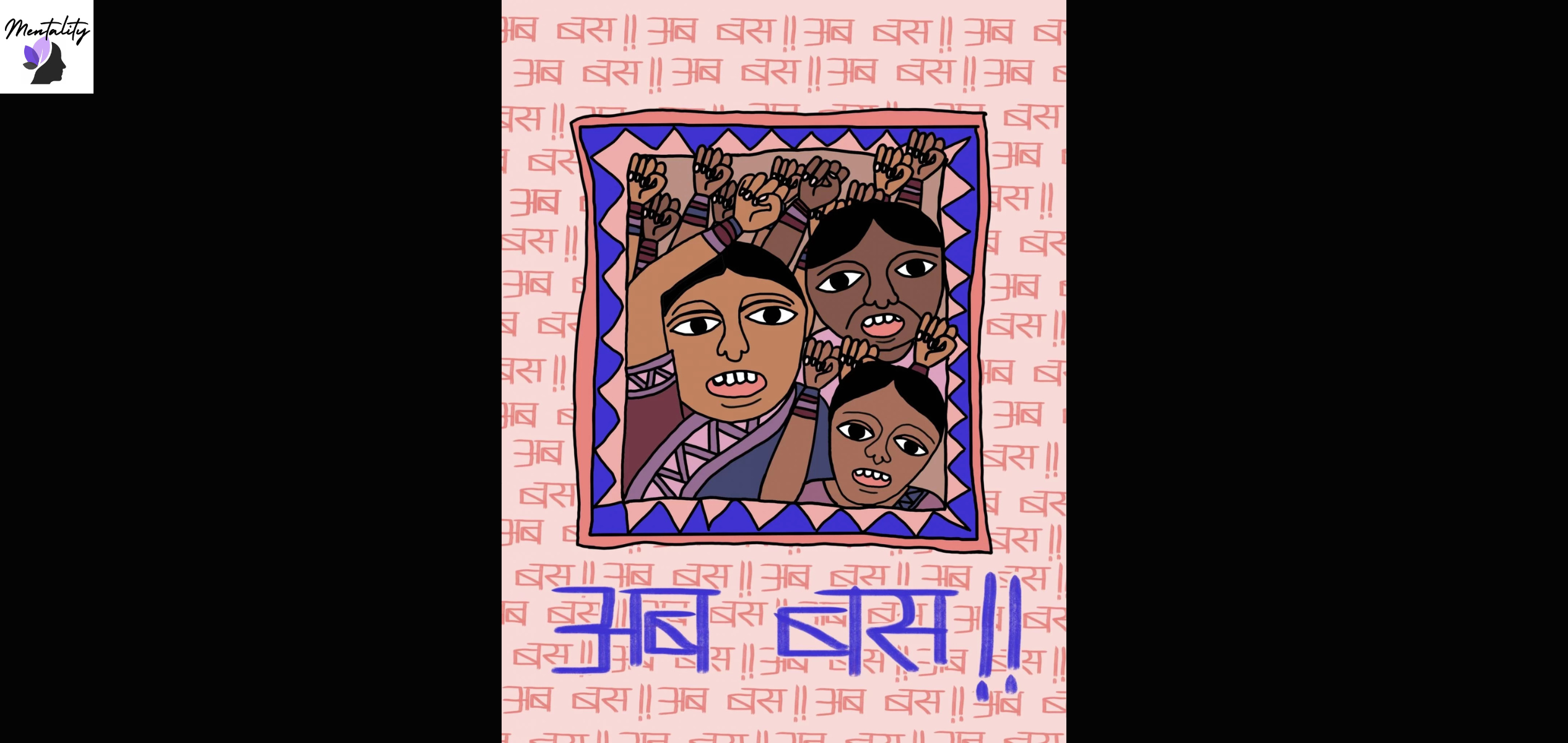
Image-based violence leads to lifelong trauma. The only thing that helps is to change the narrative.
Shame and fear resulting from compromising images shared without consent leads to trauma, which cannot be overcome without community and institutional support.
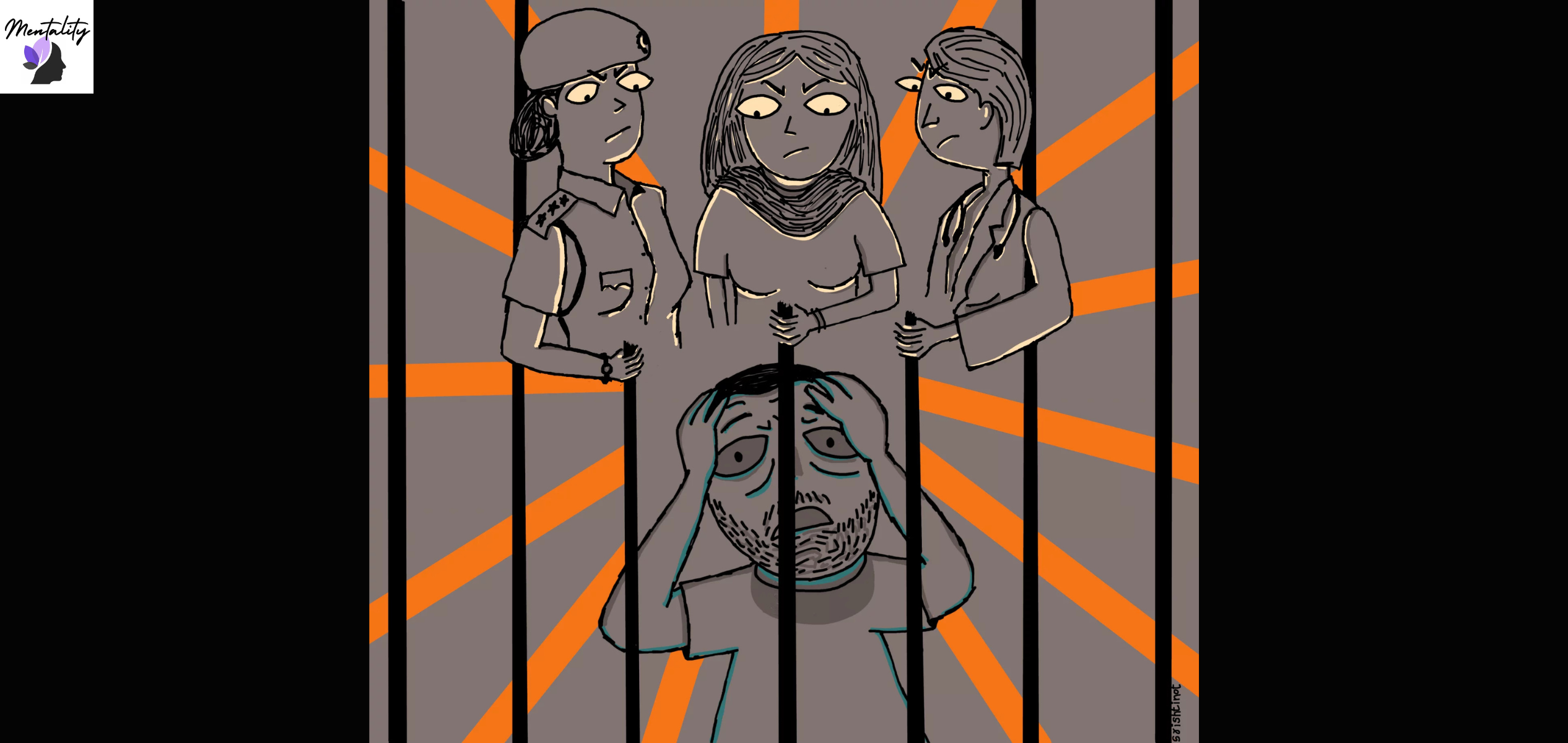
Three minor rape victims we met had unimaginable mental health impacts, when they heard their perpetrators were freed from prison
When victims see their perpetrators moving freely, even years after the incident, the victims often experience panic attacks, intrusive memories, breathlessness, and trembling.

It took me twenty years to find a suitable therapist. Don’t stress if you haven’t found yours yet.
More often than not, the right mental health expert is found through trial and error. When I found mine, I realised I was on the path to finding myself.