
India’s first platform for high quality journalism on mental health
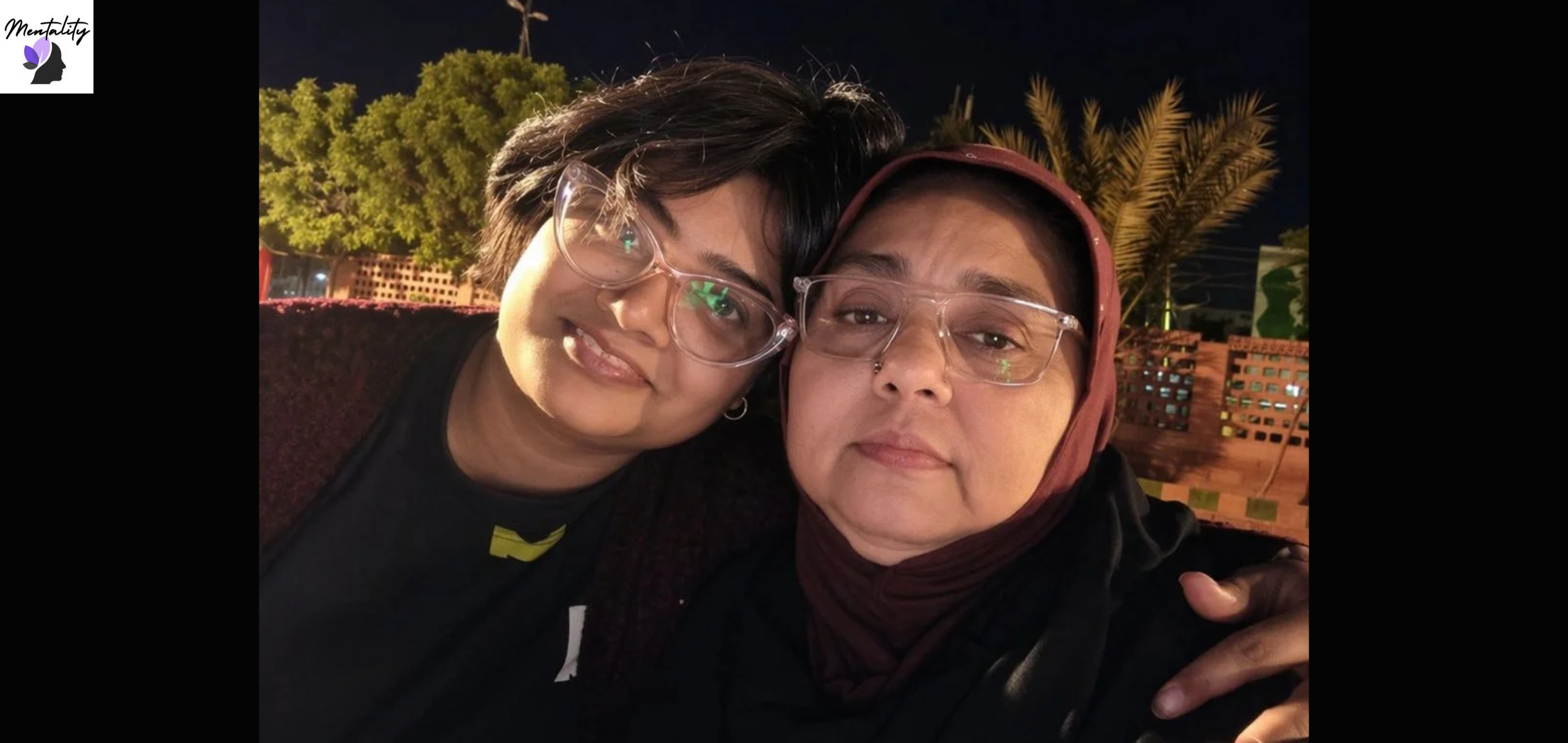
It is not selfish to care for yourself
My sister took care of everyone but herself. I wish she had been selfish just once. Looking after yourself is not a betrayal of the people you love. It may be the only way you get to stay with them.
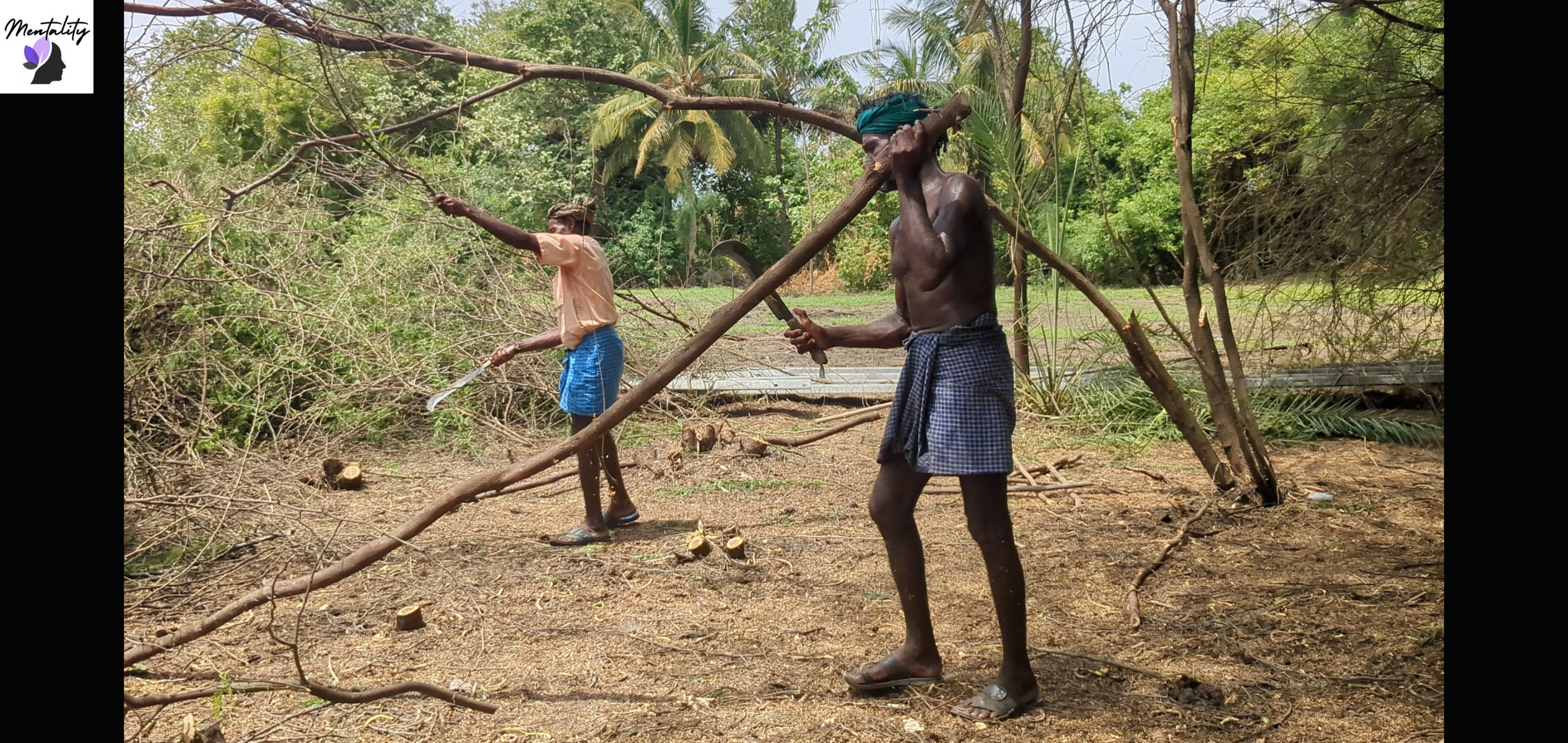
For Tamil Nadu’s charcoal producers, there is no respite from heat, making them irritable and anxious all the time
The Irular community in Cuddalore cuts trees in the harsh sun during the day and burns the wood to make charcoal at night. Many in the community attribute relentless heatwaves and rising nighttime temperatures to their lack of productivity, irritability, and anger.

How lack of trauma-informed filmmaking hurts survivors of state violence
A teaser of Ajay Devgn’s new film, Chauhaan, refers to pellet gun wounds as “limited damage” retraumatising its victims in Kashmir, Manipur, and Delhi. Kashmiris say they are living with the dire consequences of pellet gun use long after everyone else has moved on.
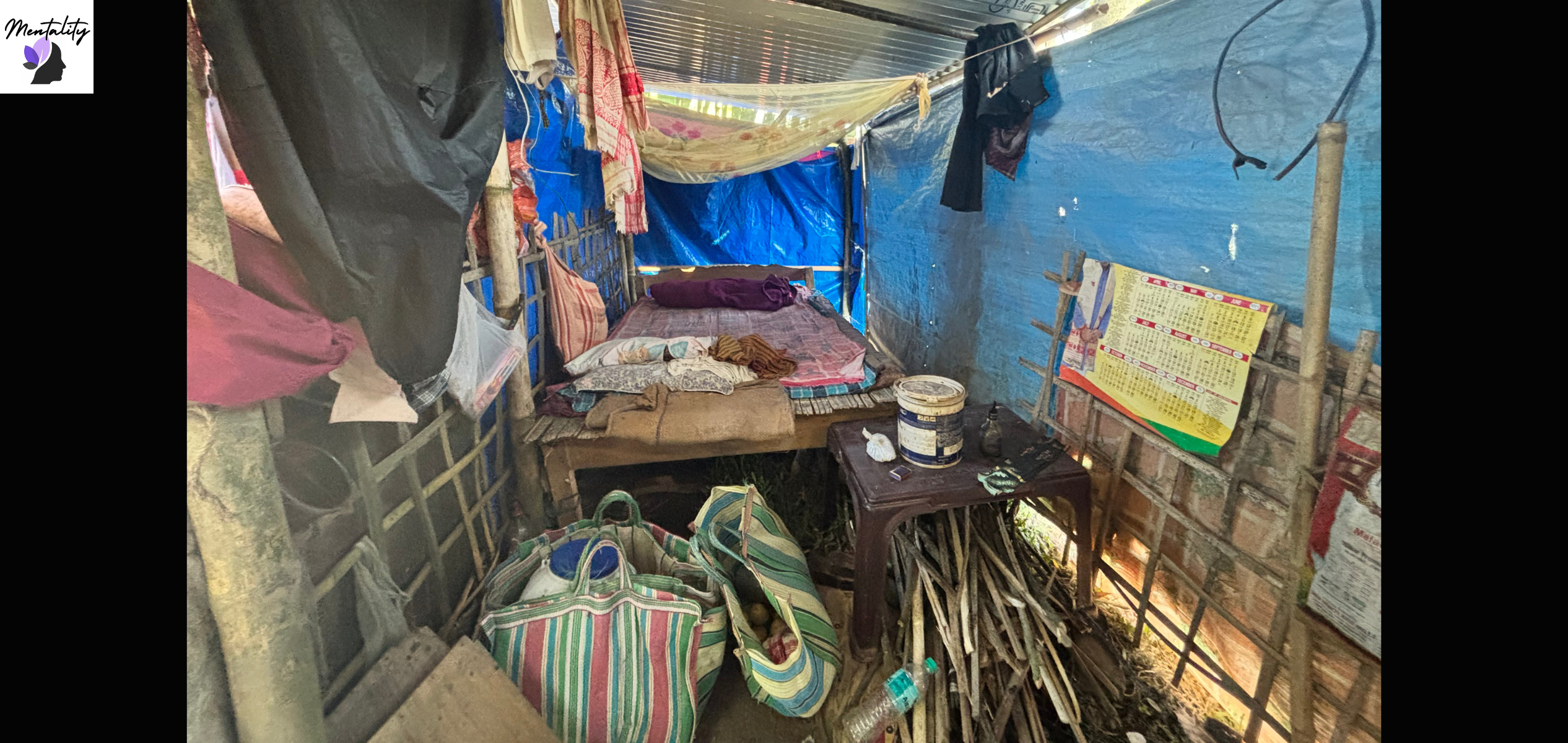
Assam’s flood waters reached areas never flooded before, leaving its people high and dry
The impacts of experiencing flooding for the first time can last generations. Residents of some districts of Upper Assam speak about the shock and the trauma that followed the floods in July.
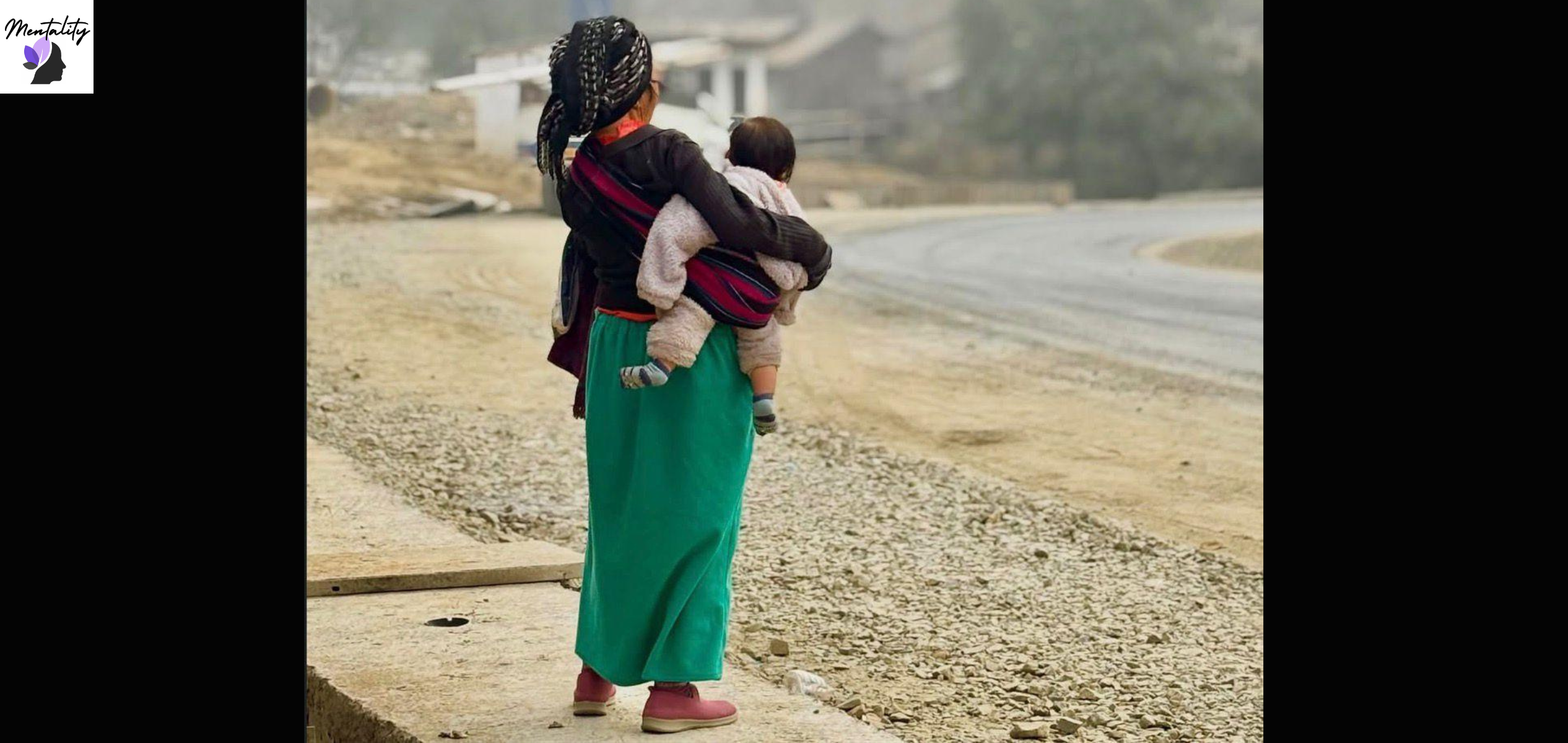
For forced Manipuri migrants in Delhi, trauma has become invisible and privatised
Working in Delhi alongside people from the “other” community meant learning to separate their everyday working relationships from the conflict they had left behind. Many said they were carrying memories of violence, displacement, and loss.
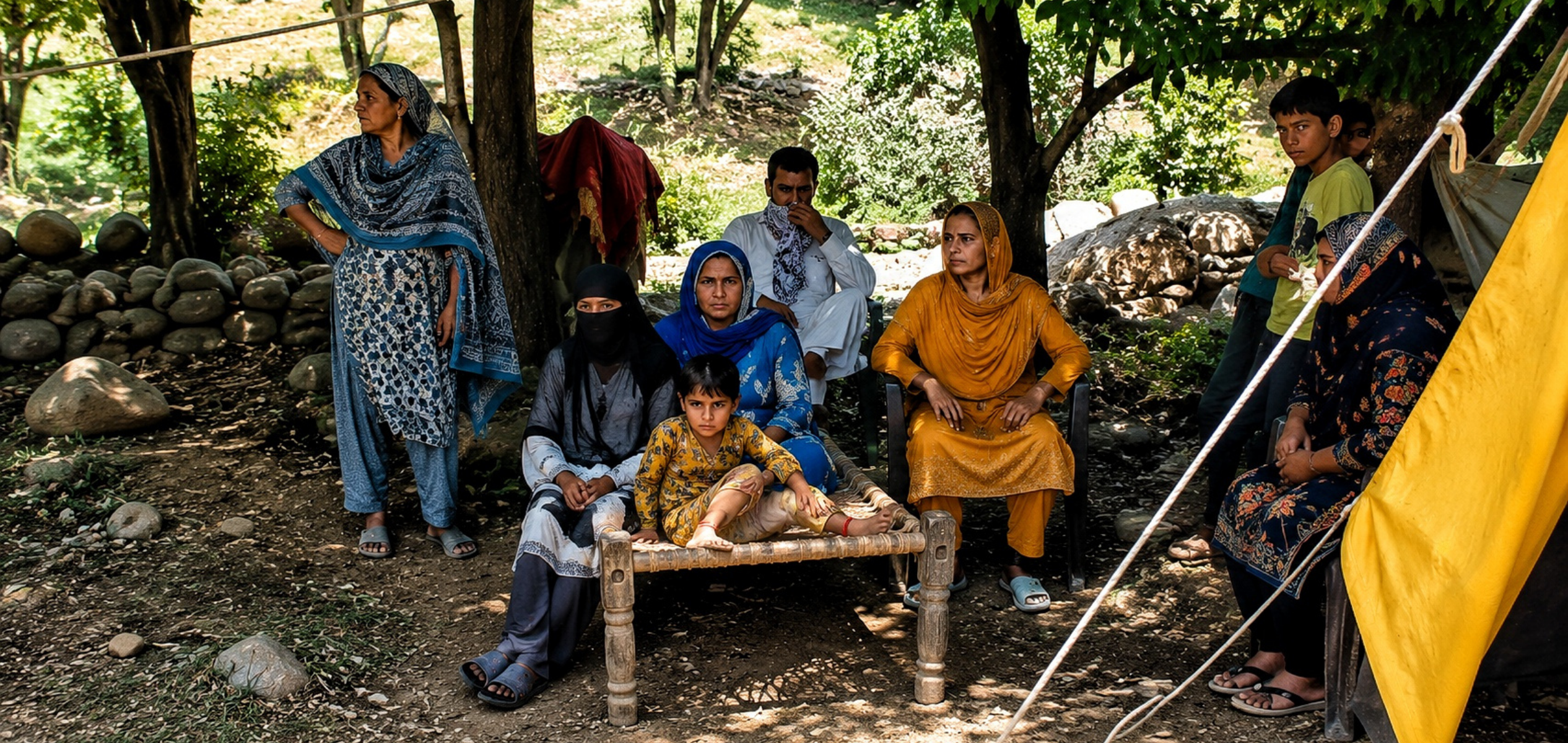
Gujjar-Bakarwal gave up their nomadic lifestyle; evicting them from their homes causes fresh intergenerational trauma
We spent a day with the residents of Sidra Bandhi, a Gujjar and Bakerwal settlement outside Jammu, which was allegedly demolished without prior notice. Repeated evictions keep the younger generation on edge and cause long term trauma.
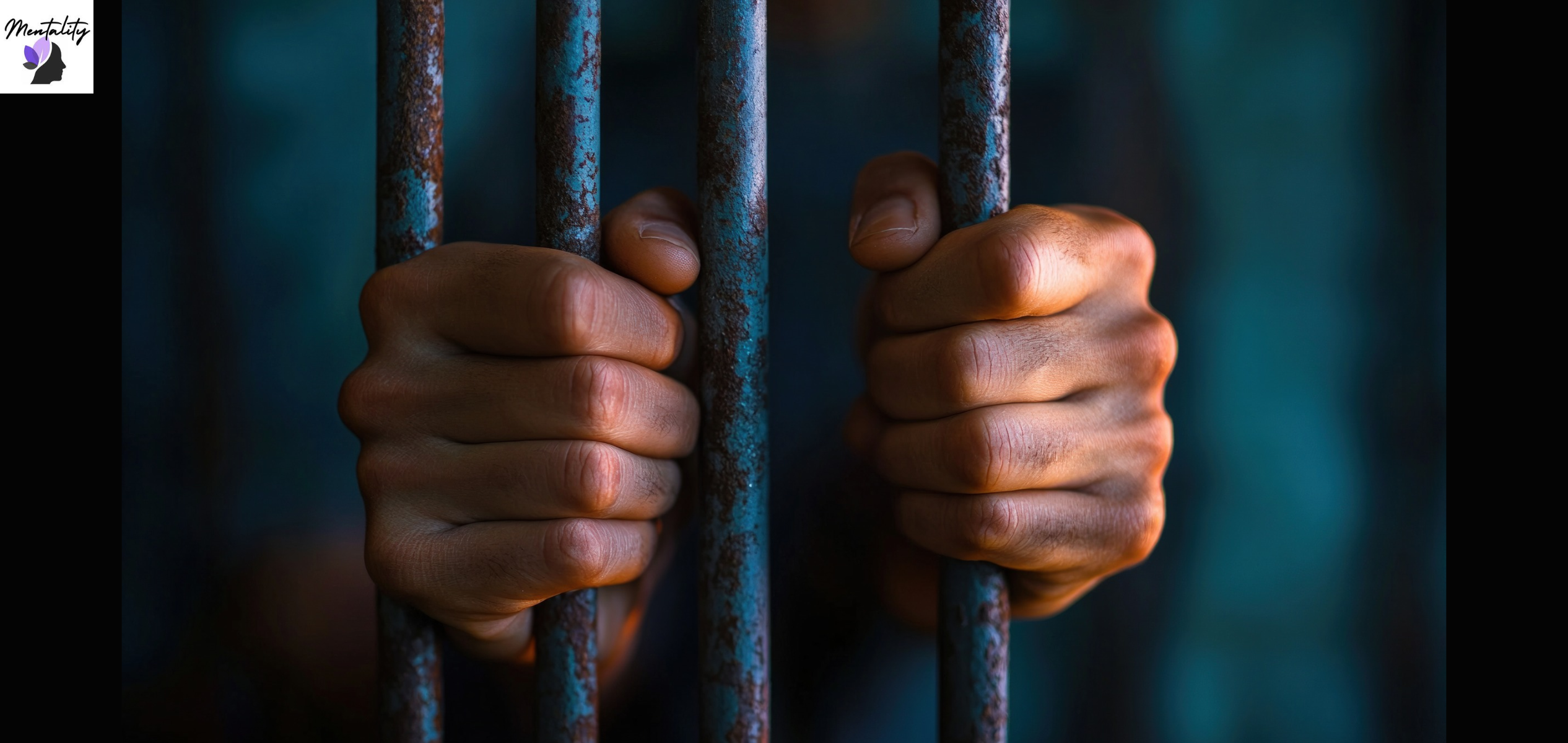
Women prisoners with psychosocial and cognitive struggles face severe challenges even after their release. We can do something about it.
In a Delhi prison, 73% of the women suffer from depression, and 78% suffer from anxiety, while 82% suffer from physical symptoms caused by biological, social, or psychological factors. We suggest policy changes that can help women prisoners.
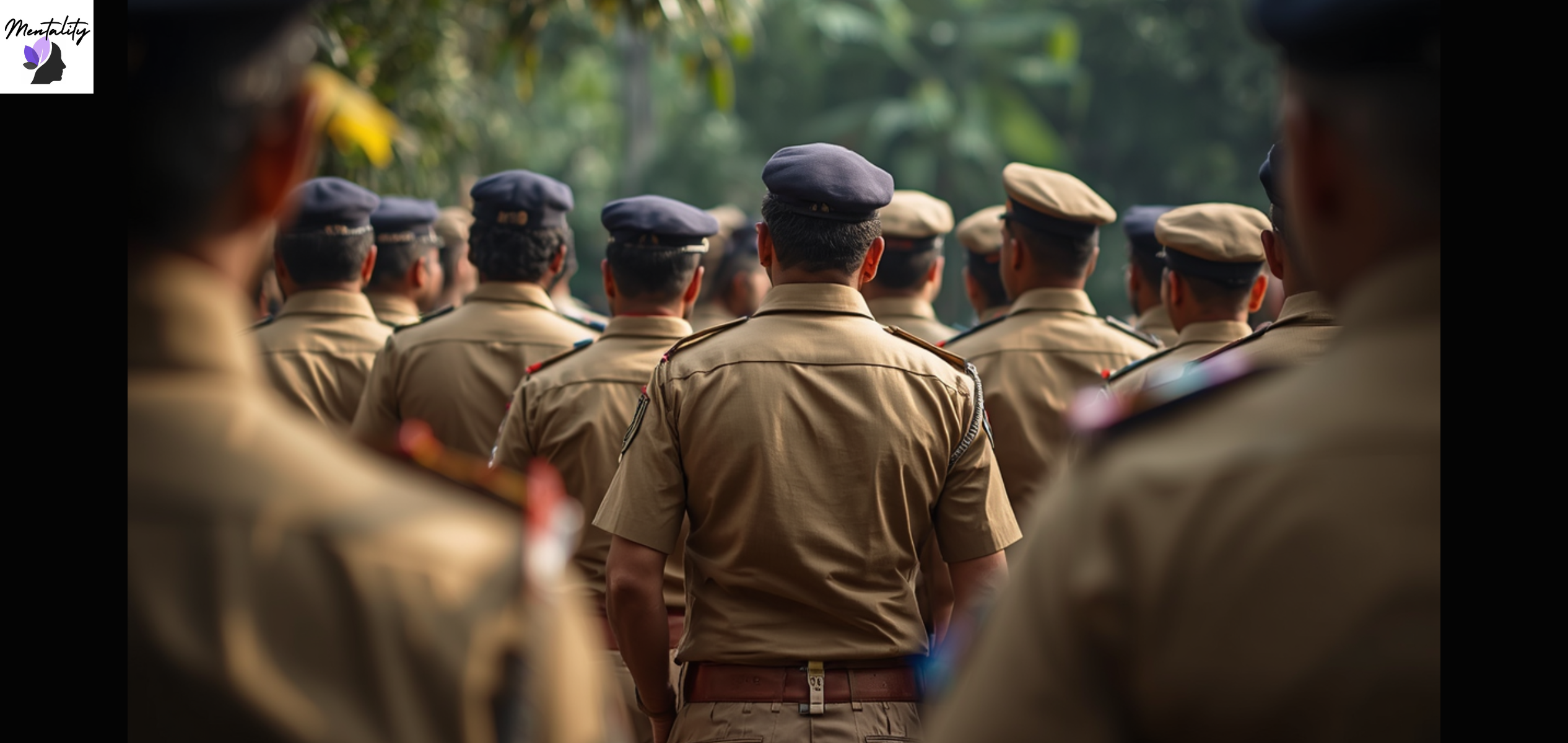
Odisha’s police force is plagued by mental health issues, harming themselves and the public
The image of a police officer as fearless and emotionally strong is deeply ingrained. That leaves very little space to acknowledge vulnerability, even when someone is struggling. Mental health support should become a part of the policing system itself, just like training, welfare, and discipline.
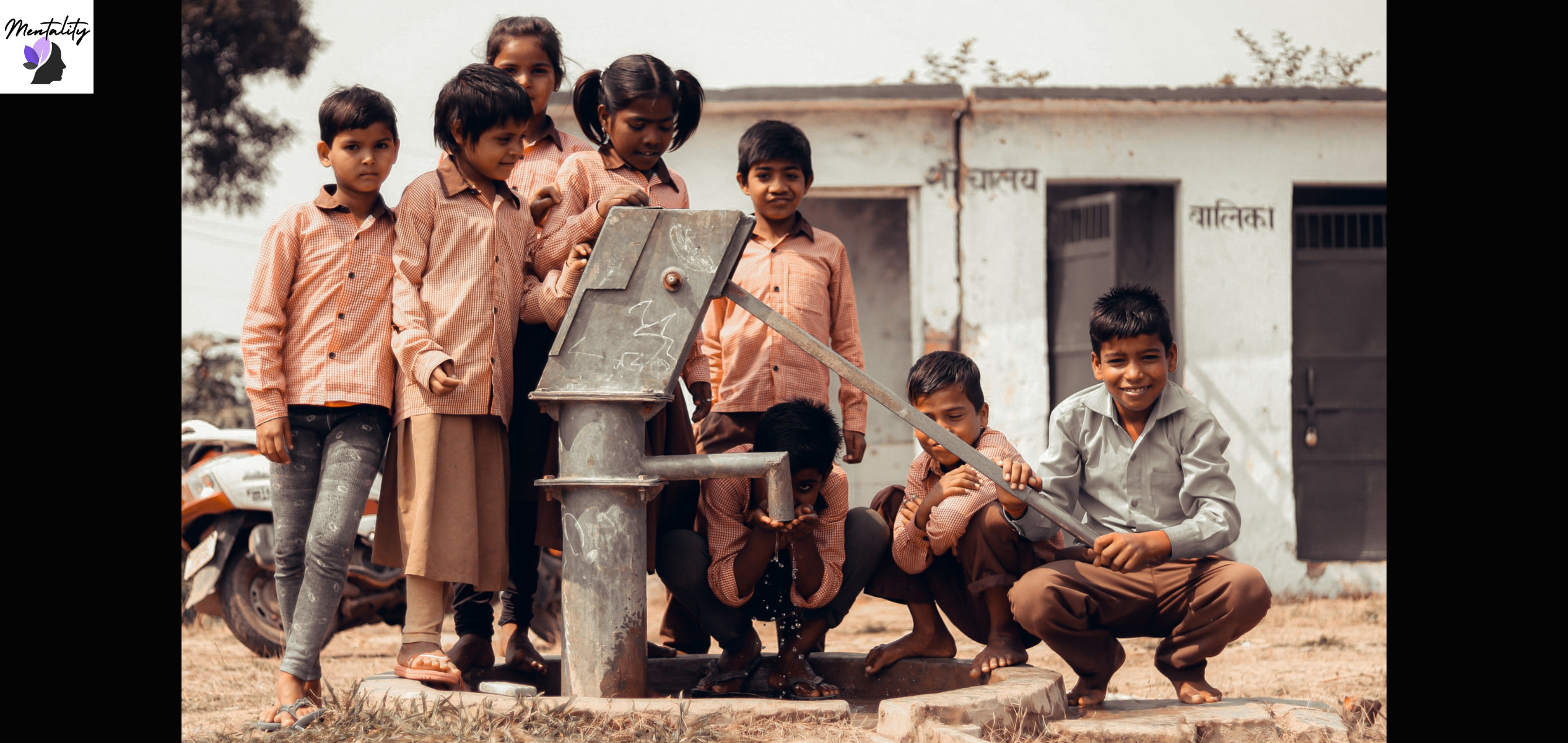
Madhya Pradesh experienced the highest number of extreme weather events. Its children are the most affected.
Climate change is no longer only shaping the world children will inherit. It is reshaping the childhood they are living today. For them, the clearest signs of climate change are not the floods or the wildfires they watch on television. They are far more routine: a football practice cut short by sudden rain, a sleepless night after relentless heat, a classroom entered in exhaustion, and a school calendar that quietly bends to the weather.